
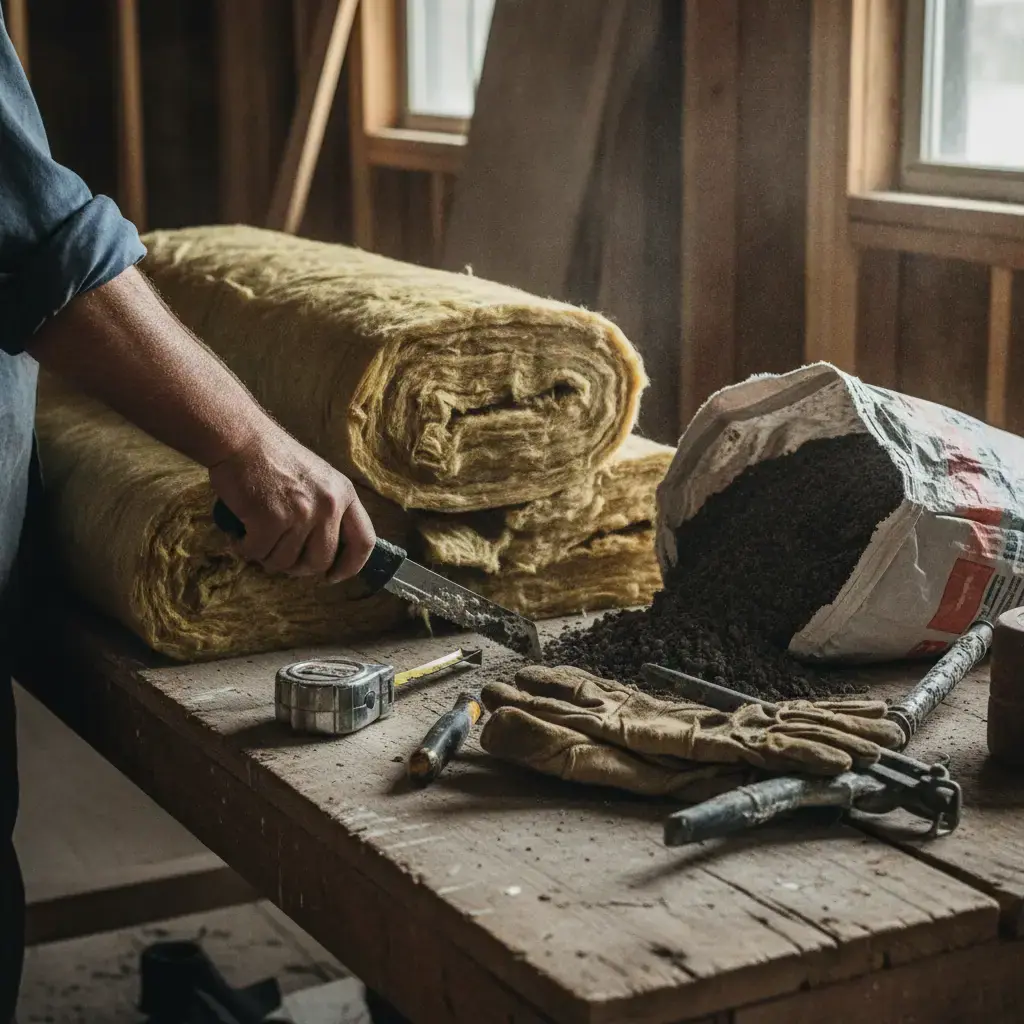
Blown-In Insulation Cost in Calabasas, CA
Transparent Blown-In Insulation Cost Pricing for Calabasas, CA Homeowners — Free Estimates
Find out the true blown-in insulation cost in Calabasas, CA. Best Price Insulation offers free estimates, Title 24 compliance, and local expertise. Call (818) 696-4154.
Blown-in insulation is one of the most effective and affordable ways to improve your home’s energy efficiency, and understanding the true cost of blown-in insulation in Calabasas, CAis the first step toward making a smart investment. Also known as loose-fill insulation, this method involves blowing cellulose, fiberglass, or mineral wool materials into attic spaces, wall cavities, and other areas using specialized equipment — creating a seamless thermal barrier that dramatically reduces energy loss.
Calabasas presents unique insulation challenges. The city’s Mediterranean climate brings scorching summer temperatures that regularly exceed 100°F in inland neighborhoods, combined with cool, damp winters influenced by marine air flowing through the Santa Monica Mountains. Homes in Calabasas range from 1970s ranch-style builds to luxury estates in gated communities like The Oaks and Calabasas Park Estates, each with distinct structural needs.
Read moreShow less
At Best Price Insulation, we specialize in delivering accurate cost estimates and professional blown-in insulation services tailored specifically to Calabasas homes. Call us today at (818) 696-4154 for a free assessment.
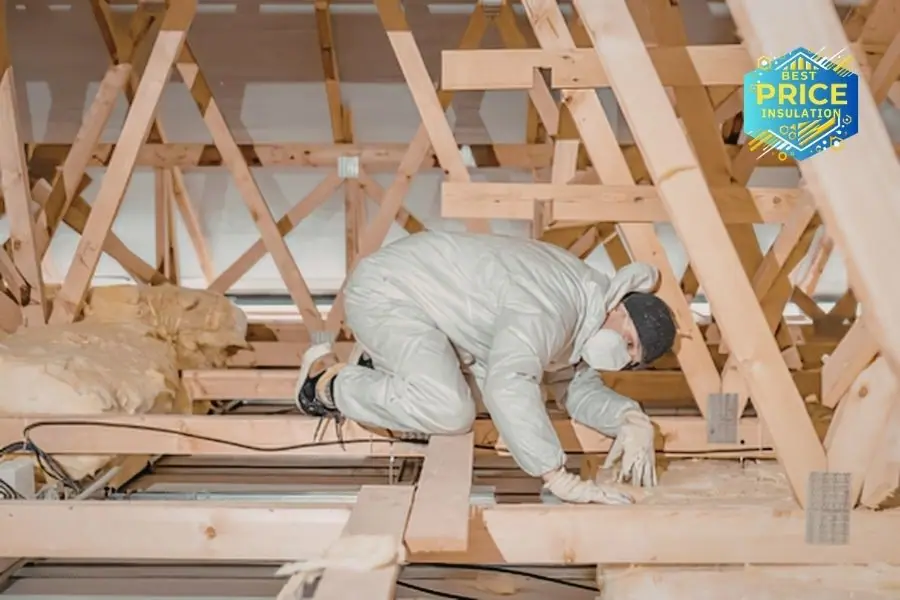
Understanding Blown-In Insulation in Calabasas
Blown-in insulation, technically classified as loose-fill insulation by the Department of Energy, has been a standard building practice in California since the 1970s energy crisis. As fuel costs skyrocketed following the 1973 OPEC oil embargo, California homeowners and builders turned to loose-fill materials as a cost-effective way to upgrade existing homes without major structural renovation. Today, blown-in insulation remains one of the most popular retrofit solutions in the greater Los Angeles area, including Calabasas.
The process works by using a blowing machine to propel loose insulation material into cavities, attic floors, and hard-to-reach spaces. Unlike rigid batt insulation, blown-in material conforms to irregular shapes, fills gaps around joists and beams, and creates a more complete air seal — all critical advantages in older Calabasas homes where structural irregularities are common.
Read moreShow less
Three primary materials are used in blown-in insulation installations:
- Cellulose: Made from recycled paper products and treated with fire retardant, cellulose achieves an R-value of approximately R-3.2 to R-3.8 per inch. It is particularly effective in Calabasas attics because of its density and resistance to air infiltration.
- Fiberglass Loose-Fill: Offers an R-value of R-2.2 to R-2.7 per inch and is highly moisture-resistant — an important consideration in areas near Malibu Creek where humidity levels can fluctuate seasonally.
- Mineral Wool (Rockwool): Provides superior fire resistance with R-values between R-3.0 and R-3.3 per inch, making it a preferred choice in hillside Calabasas properties where fire risk is elevated.
Calabasas building stock includes a large percentage of single-story ranch homes built between 1965 and 1985, many of which were originally insulated with only R-11 to R-19 batts — far below current California Title 24 energy code requirements, which mandate a minimum of R-38 in attics for Climate Zone 9, where Calabasas is located. Blown-in insulation is the most practical and economical method to bring these homes into compliance while significantly lowering monthly utility bills.
Multi-story homes in communities like The Oaks at Calabasas and Mountain View Estates benefit equally from blown-in solutions, particularly in second-floor attic spaces and wall cavities where batt replacement would require expensive drywall removal. Learn more about our attic insulation services
Why Blown-In Insulation Is Needed in Calabasas, CA
Extreme Summer Heat in the Calabasas Valley
Calabasas is located inland from the coast within the Las Virgenes Valley, which acts as a natural heat funnel during summer months. The National Weather Service has recorded temperatures at the Calabasas weather station exceeding 105°F during heat events, including the historic September 2020 heat wave when parts of the San Fernando Valley region recorded temperatures above 110°F. Without adequate attic insulation, radiant heat from sun-baked roof decking transfers directly into living spaces, forcing HVAC systems to work 40–60% harder to maintain comfortable temperatures.
In Calabasas neighborhoods like Mulwood and Park Moderne, where homes average 2,200 to 3,500 square feet, an under-insulated attic can result in monthly summer cooling bills of $350 to $600 or more. Properly installed blown-in insulation at R-49 to R-60 can reduce cooling loads by 20–30%, translating to annual savings of $800 to $1,500 for a typical Calabasas household.
Santa Ana Wind Conditions and Air Infiltration
Calabasas experiences significant Santa Ana wind events between October and March, with gusts regularly reaching 40–60 mph through the Conejo Grade and the hills surrounding the Las Virgenes Road corridor. These powerful, dry winds create dramatic pressure differentials that force cold outside air through every gap and penetration in a home’s building envelope. Blown-in insulation’s dense-pack application method is uniquely effective at sealing these infiltration pathways, reducing air changes per hour (ACH) in older Calabasas homes by as much as 25%.
Wildfire Risk and Ember Cast
The Calabasas area has experienced repeated wildfire events that underscore the importance of fire-resistant building materials. The Woolsey Fire of November 2018 burned more than 96,000 acres across the Santa Monica Mountains and directly threatened neighborhoods including Hidden Hills, Old Agoura, and the Las Virgenes Canyon corridor bordering Calabasas. Mineral wool blown-in insulation, which is non-combustible and rated to withstand temperatures exceeding 2,000°F, provides an additional layer of fire resistance in attic and wall cavities — a critical consideration for Calabasas homes in the Very High Fire Hazard Severity Zone (VHFHSZ) as designated by CAL FIRE.
Aging Housing Stock and Code Compliance
A significant portion of Calabasas homes were built during the 1970s and 1980s development boom, predating California’s modern Title 24 energy efficiency standards. These homes typically have attic insulation measuring only R-11 to R-19 — less than half the current R-38 minimum required for Climate Zone 9. The City of Calabasas, through its building and planning department, increasingly requires insulation upgrades when homeowners apply for renovation permits, making proactive insulation replacement a smart strategy before any major remodel begins.
Humidity and Moisture from Malibu Creek Watershed
Properties in lower-elevation Calabasas neighborhoods near Malibu Creek State Park and the Las Virgenes Creek corridor experience elevated moisture levels, particularly during the November–April rainy season. Inadequate or deteriorated insulation in crawl spaces and lower attic zones can trap moisture, leading to mold growth and structural wood rot. Dense-fill blown-in cellulose or fiberglass in these areas, combined with proper vapor barriers, addresses both thermal and moisture management challenges simultaneously. Explore our crawl space insulation solutions
Free, no-obligation estimates
Talk to Best Price Insulation
Tell us what you need and we’ll take it from there.
Signs You Need Blown-In Insulation in Calabasas
Energy Performance Indicators
- Monthly electricity bills exceeding $250–$350 during summer months despite moderate HVAC use
- HVAC system running continuously on days above 95°F without reaching the thermostat setpoint
- Noticeable temperature differences of 5°F or more between rooms on the same floor
- Second-floor rooms consistently 8–12°F hotter than first-floor spaces during summer
Physical Signs in Your Home
- Existing attic insulation measuring less than 10–12 inches in depth (visual inspection via attic hatch)
- Visible gaps, settling, or compressed batt insulation in attic floor areas
- Cold drafts near electrical outlets or light switches on exterior walls during Santa Ana wind events
- Ice or frost forming on interior window frames during winter cold snaps
- Musty odors or visible mold in attic corners near eave vents
Structural and Age Indicators
- Home built before 1980 with no record of insulation upgrade
- Recent roof replacement without attic insulation assessment
- Pending renovation permit that requires Title 24 compliance documentation
Urgency Note: If your home is located in a VHFHSZ area and your current insulation is combustible fiberglass batt, scheduling an assessment before the October–March fire season is strongly recommended. Call (818) 696-4154 to schedule your evaluation today.
Blown-In Insulation Methods Used in Calabasas
Open-Blow Attic Application
The most common method for Calabasas homes, open-blow involves distributing loose-fill material freely across an unfinished attic floor. Ideal for flat attic decks with standard joist spacing, this approach is used in the majority of single-story ranch homes throughout the Mulwood, Park Moderne, and Calabasas Highlands neighborhoods. Installation is fast, cost-effective, and easily achieves R-49 to R-60 targets.
Dense-Pack Wall Insulation
For Calabasas homes with uninsulated or under-insulated exterior walls — particularly common in 1960s-era construction near the Calabasas Road historic corridor — dense-pack blown-in insulation is injected through small holes drilled in the exterior or interior wall surface. Material is packed to 3.5 lbs per cubic foot, creating a rigid fill that resists settling and significantly reduces air infiltration during Santa Ana wind events.
Wet-Spray Cellulose Application
Used in open wall cavities during renovation projects or new construction, wet-spray cellulose is mixed with water before application, causing it to adhere to surfaces and resist falling out before drywall is installed. This method is particularly relevant for Calabasas homeowners undertaking room additions or ADU construction under current Title 24 requirements.
Enclosed Cavity Retrofit (Drill-and-Fill)
For finished walls and cathedral ceilings in Calabasas luxury homes — including properties in The Oaks and Mountain View Estates — drill-and-fill allows insulation upgrade without full interior demolition. Small access holes are drilled, material is blown in, and holes are patched and painted, preserving interior finishes.
Hybrid Blown-In/Spray Foam Systems
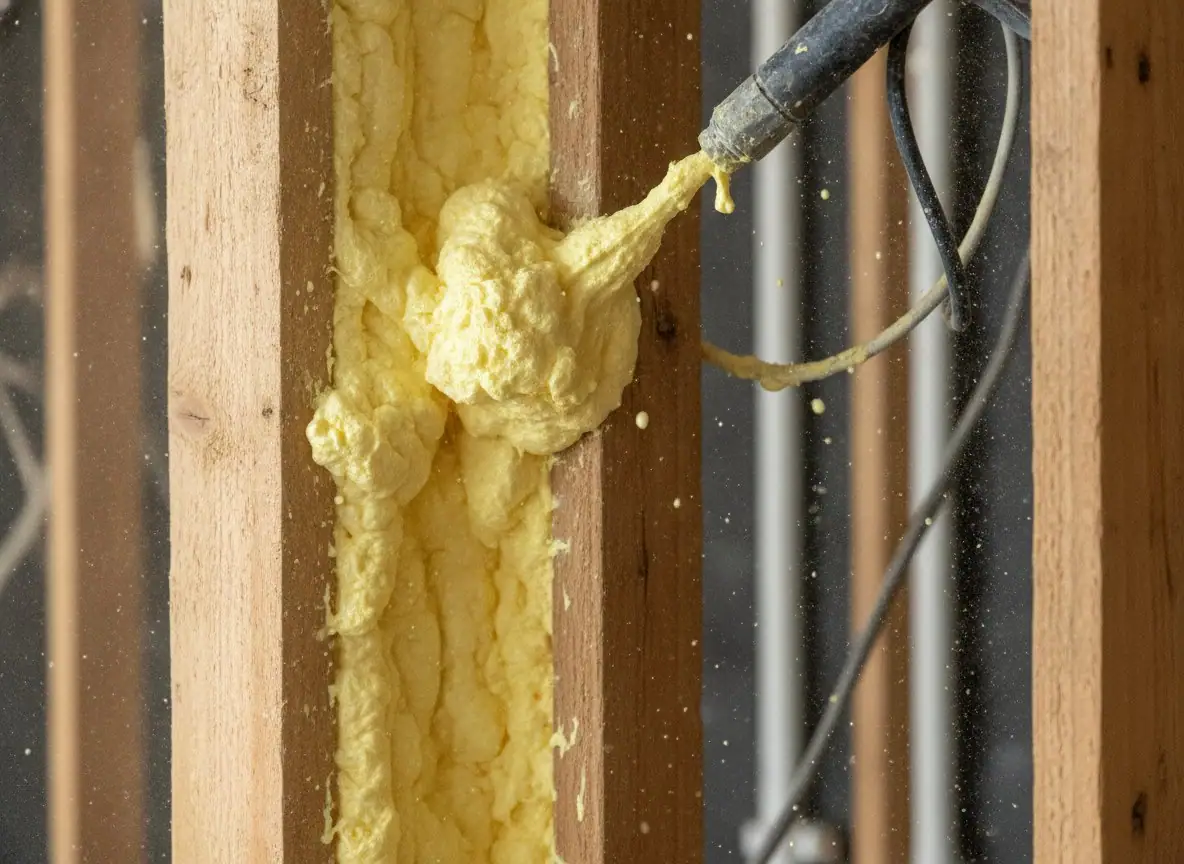
In homes where both air sealing and thermal performance are critical — particularly properties adjacent to Malibu Creek with moisture concerns — we combine closed-cell spray foam at the roof deck with blown-in insulation on the attic floor for a comprehensive solution. Explore spray foam insulation options
Blown-In Insulation Cost in Calabasas, CA
Understanding the realistic cost of blown-in insulation in Calabasas helps homeowners budget accurately and evaluate contractor quotes with confidence. Prices in the greater Calabasas and Las Virgenes area reflect local labor rates, material transportation costs, and the specific requirements of California’s Title 24 energy code.
Typical Cost Ranges
- Attic blown-in insulation (open blow): $1.50–$2.50 per square foot, or $1,800–$4,500 for a typical 1,500–2,000 sq ft Calabasas attic
- Dense-pack wall insulation: $2.50–$4.00 per square foot of wall area treated
- Insulation removal and replacement: $2.00–$4.50 per square foot, depending on contamination level and access difficulty
- Full home air sealing + blown-in package: $3,500–$7,500 for an average 2,500 sq ft Calabasas home
Read moreShow less
Factors Affecting Your Calabasas Quote
- Attic access complexity: Low-slope rooflines common in 1970s ranch-style Calabasas homes can limit equipment maneuverability and increase labor time
- Existing insulation condition: Rodent-contaminated or asbestos-suspect materials require removal before new installation, adding $800–$2,500 in pre-work costs
- Target R-value: Upgrading from R-19 to R-49 requires more material than upgrading from R-30 to R-49
- Material selection: Mineral wool carries a 15–25% premium over cellulose but offers superior fire resistance for hillside properties
- California utility rebates: SoCalGas and SCE offer rebates of $0.10–$0.25 per square foot for qualifying insulation upgrades, reducing net costs by $150–$500 in many cases
Call (818) 696-4154 for a free, no-obligation cost estimate specific to your Calabasas home. Learn more about our blow-in insulation services
Calabasas Neighborhoods We Serve
The Oaks at Calabasas
This gated luxury community features large estates built primarily between 1998 and 2010, many exceeding 5,000 square feet. Homes here often have complex rooflines with multiple attic zones requiring careful blown-in coverage mapping. Fire-resistant mineral wool is frequently specified given the community’s proximity to undeveloped hillside terrain.
Mulwood and Park Moderne
These established neighborhoods near Mulwood Elementary and the 101 freeway contain a high concentration of 1970s and early 1980s construction. Many homes still have original R-11 to R-19 batt insulation that has settled and compressed over 40+ years. Blown-in cellulose over existing batts is a cost-effective upgrade path commonly recommended for this area.
Calabasas Park Estates
Homes in this community, built largely in the 1980s around Calabasas Lake, frequently experience humidity-related insulation degradation in lower attic zones due to proximity to the lake. Dense-pack cellulose with moisture barriers is the standard approach for properties in this neighborhood.
Calabasas Highlands
Perched in the hills above Las Virgenes Road, these hillside properties face maximum Santa Ana wind exposure and elevated wildfire risk. Non-combustible mineral wool blown-in insulation combined with thorough air sealing is our standard recommendation for Calabasas Highlands homeowners. View all insulation installation services
Blown-In Insulation Maintenance Tips for Calabasas Homeowners
- Annual attic visual inspection: Check insulation depth each fall before the rainy season. Target a minimum of 15 inches of cellulose or 18 inches of fiberglass in Calabasas attics to maintain R-49 performance.
- Check for pest activity after wildfire events: Displacement of wildlife during and after brush fires (like the Woolsey Fire perimeter areas) increases rodent intrusion risk in Calabasas attics. Inspect for tunnels or droppings annually.
- Inspect attic ventilation after Santa Ana wind events: High winds can dislodge ridge vents and soffit baffles, disrupting airflow that keeps blown-in insulation dry and effective.
- Monitor for moisture after heavy winter rain: Inspect attic corners near eave vents for condensation or dampness following rain events, particularly in lower-elevation neighborhoods near Malibu Creek.
- Keep attic access hatches properly sealed: Attic hatches should be insulated to R-38 and weather-stripped. An unsealed hatch can negate 15–20% of your attic insulation’s effectiveness.
- Avoid compressing insulation during attic storage: Items stored in Calabasas attics should be placed on raised platforms, never directly on blown-in material, which loses R-value when compressed.
- Schedule professional re-inspection every 7–10 years: Blown-in cellulose can settle 10–15% over its lifetime. A professional top-up maintains target R-values and maximizes energy performance.
Why Choose Best Price Insulation in Calabasas
Best Price Insulation is a locally focused insulation contractor serving Calabasas and the surrounding communities of Agoura Hills, Westlake Village, Hidden Hills, Woodland Hills, and Malibu. Our team understands the specific demands of the Las Virgenes Valley climate, the building characteristics of Calabasas’s diverse housing stock, and the fire safety considerations that are unique to living in a Very High Fire Hazard Severity Zone.
We provide transparent, itemized pricing — no surprise charges, no vague estimates. Every Calabasas homeowner receives a written, line-item quote with specific material specifications, target R-values, and coverage documentation to support permit applications and real estate disclosures.
Read moreShow less
Our installation teams are trained in California Title 24 energy code requirements for Climate Zone 9, ensuring every project not only improves comfort and reduces utility costs, but also supports compliance with current Calabasas building standards.
We serve the full range of Calabasas properties — from modest 1970s ranch homes in Mulwood to expansive luxury estates in The Oaks — with the same commitment to quality workmanship and honest pricing. Call (818) 696-4154 to speak with a local insulation expert today.
Learn about crawl space encapsulation | View insulation replacement services
FAQ
Frequently Asked Questions: Blown-In Insulation Cost in Calabasas
How much does blown-in insulation cost for a typical Calabasas home?
For a standard 1,500–2,000 sq ft attic in Calabasas — common in Mulwood, Park Moderne, and Calabasas Park Estates — expect to pay $1,800 to $4,500 for open-blow attic installation depending on current insulation depth, target R-value, and material selection. Homes requiring full removal of contaminated existing insulation before installation will add $800–$2,500 to the project cost. We provide free, specific written estimates for every property.
What R-value do I need for my Calabasas attic?
Calabasas is located in California Climate Zone 9. Current California Title 24 energy code requires a minimum of R-38 for existing home attics, though the DOE recommends R-49 to R-60 for optimal energy performance given the region’s extreme summer temperatures. Most Calabasas upgrade projects target R-49 as a minimum to justify installation costs and maximize utility bill savings.
How long does blown-in insulation installation take in Calabasas?
A standard attic blown-in project in a Calabasas home — including pre-installation air sealing — is typically completed in one day (6–8 hours). Larger properties in The Oaks or Mountain View Estates exceeding 4,000 sq ft of attic space may require a second day. Projects involving full insulation removal and replacement add 4–8 hours of pre-work.
Does blown-in insulation help with Calabasas wildfire risk?
Yes — mineral wool blown-in insulation is non-combustible and can withstand temperatures above 2,000°F, providing meaningful fire resistance in attic and wall cavities. For Calabasas homes in the Very High Fire Hazard Severity Zone (VHFHSZ) — particularly in Calabasas Highlands and properties adjacent to Malibu Creek State Park — we specifically recommend mineral wool over cellulose or fiberglass for fire safety reasons.
Are there utility rebates available for blown-in insulation in Calabasas?
Yes. Southern California Edison (SCE) and SoCalGas both offer rebate programs for qualifying insulation upgrades in the Calabasas service area. Rebates typically range from $0.10 to $0.25 per square foot, potentially reducing your net project cost by $150 to $500. We can help identify applicable programs and provide the documentation needed to claim rebates.
Can blown-in insulation be installed over existing insulation in my Calabasas attic?
In most cases, yes. If your existing insulation is dry, undamaged, and free of pest contamination, blown-in material can be installed directly over batts or existing loose fill to bring total depth to the target R-value. However, we always recommend an in-person inspection first — many Calabasas homes built before 1985 have insulation that has been compromised by moisture, rodents, or simple age-related degradation that makes removal the better choice.
How do I know if my Calabasas home needs blown-in insulation or spray foam?
Blown-in insulation is the preferred choice for most Calabasas attic floor applications due to its lower cost and speed of installation. Spray foam is typically recommended when superior air sealing at the roof deck is needed (particularly in hillside homes with significant wind exposure) or when moisture infiltration is a persistent issue. Many Calabasas homes benefit from a hybrid approach combining both technologies. Compare spray foam and blown-in options
How long does blown-in insulation last in a Calabasas climate?
Properly installed blown-in cellulose or fiberglass insulation has a functional lifespan of 20–30 years in Calabasas conditions. The primary degradation factors are moisture exposure, pest activity, and physical compression. Mineral wool blown-in insulation has an indefinite lifespan with no significant degradation. Annual inspections and periodic professional re-assessments every 7–10 years ensure your insulation continues to perform at rated R-values.
Get Your Free Blown-In Insulation Estimate in Calabasas Today
Don’t let another scorching Calabasas summer or bone-dry Santa Ana wind season drain your energy budget. Best Price Insulation provides honest, detailed blown-in insulation cost estimates for homeowners throughout Calabasas, Hidden Hills, Agoura Hills, Westlake Village, Woodland Hills, Malibu, and the surrounding communities.
Whether you’re upgrading a 1970s ranch in Mulwood, protecting a hillside estate in Calabasas Highlands, or bringing a Calabasas Park Estates home into Title 24 compliance, our local team is ready to deliver the right solution at a fair price.
Call us now at (818) 696-4154 to schedule your free in-home assessment and receive a written, no-obligation estimate within 24 hours. Serving Calabasas and all surrounding communities.
Get in touch
Find insulation help near you
Request a free estimate online or give us a call — our team will follow up quickly.
- Call us(818) 696-4154
- Visit26635 W Agoura Rd, Calabasas, CA 91302
- HoursMon-Sun 07:00-19:00