
Insulation Removal & Spray Foam Removal in Calabasas, CA
Quality Insulation Removal & Replacement in Calabasas, CA — Built to Last
Need spray foam removal in Calabasas, CA? Best Price Insulation explains when, why & how—plus replacement options. Book a free inspection today.
Spray foam removal is the controlled extraction of cured polyurethane foam insulation from an attic, crawl space, walls or roof deck—and if you are a homeowner in Calabasas, CA, Best Price Insulation provides the full removal and replacement service under one roof. Calabasas sits in the Santa Monica Mountains foothills, where hot, dry summers, occasional winter moisture and the ever-present risk of wildfire smoke push insulation harder than in coastal zones. When foam insulation fails in that environment, leaving it in place typically makes the next problem worse. The sections below walk you through every stage: what removal is, when you need it, how we do it, what it costs and what goes back in its place.
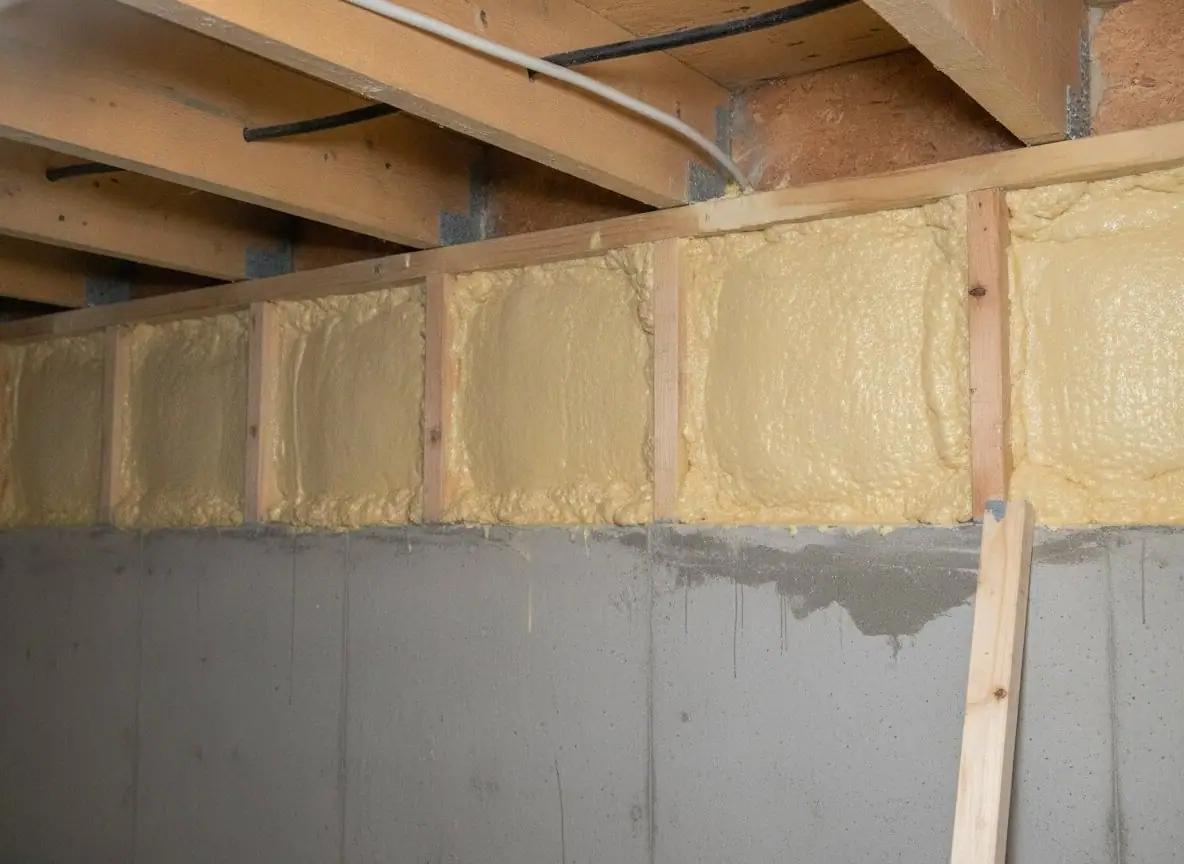
What is spray foam removal?
Spray foam removal is the mechanical process of cutting, grinding and extracting cured closed-cell or open-cell polyurethane foam that has bonded to structural surfaces. Unlike fiberglass batts or blown-in cellulose, spray foam cannot be vacuumed or pulled away in loose pieces—it adheres chemically to wood, concrete and metal, so trained technicians must score and separate it section by section using hand tools, oscillating saws and specialty scrapers. The goal is to leave the substrate clean enough for inspection and for new insulation to bond or sit correctly. Understanding what removal involves helps clarify why certain conditions make it necessary in the first place.
When does spray foam insulation need to be removed?
In Calabasas, spray foam insulation typically needs to be removed when it is structurally compromised, contaminated or so poorly installed that it is reducing rather than improving your home's energy performance. Use the checklist below to assess your situation.
- Visible shrinkage, cracking or gaps along joists or rafters where the foam has pulled away from the substrate
- Persistent musty or chemical odor inside the home, especially after the foam was recently installed
- Pest activity—rats and squirrels are common in the Calabasas hills and readily tunnel through open-cell foam
- Water staining or wet foam following a roof leak, plumbing failure or chimney intrusion
- Off-ratio installation (foam that feels soft, sticky or crumbles when pressed) caused by incorrect mixing at the time of application
- Discoloration or charring near recessed lighting or HVAC equipment
- A home inspection or energy audit finding that existing foam is below current California Title 24 requirements and cannot be patched to compliance
- Planned re-roofing or structural repair that requires clear access to the deck or framing
Knowing the signs tells you removal is needed; knowing the causes tells you why it happened and whether it is likely to recur.
Free, no-obligation estimates
Talk to Best Price Insulation
Tell us what you need and we’ll take it from there.
What causes spray foam to fail or need replacing?
Spray foam fails most often because of off-ratio mixing during installation, water intrusion or biological activity—and all three are elevated risks in the Calabasas climate. When a contractor applies foam with the wrong ratio of isocyanate to polyol resin, the cured product is either too brittle or too soft, and no amount of additional spray will correct it. Water intrusion from a ridge vent, flashing failure or the marine-edged marine fog that rolls through Topanga Canyon in winter can saturate open-cell foam, destroying its R-value and creating a mold-friendly environment. Rodent damage is a specific local reality: the brushy terrain around Monte Nido and North Ranch supports high rodent populations that chew through open-cell foam in attics. Finally, closed-cell foam applied directly to older roof sheathing can trap moisture between the foam and the wood, accelerating rot that only becomes visible after removal. Knowing the root cause lets us recommend the right replacement, including a correctly done spray foam insulation installation where foam is the right fit, so the same failure does not repeat.
How is spray foam insulation removed?
Spray foam insulation is removed in a structured sequence that protects the framing, controls dust and airborne particles, and prepares the surface for replacement material, which is also the right moment to consider air sealing before new insulation. We follow these steps on every Calabasas job.
- Free inspection and scope definition. We assess the foam type (open-cell or closed-cell), thickness, substrate condition and access constraints before any work begins. This step produces your written quote.
- Containment and ventilation setup. Technicians seal HVAC registers and set up negative-pressure ventilation to prevent foam dust and any mold spores from migrating into living spaces.
- Scoring and sectioning. Using oscillating multi-tools and reciprocating saws, technicians score the foam into manageable sections. Cuts follow the framing members to avoid nicking joists or rafters.
- Mechanical extraction. Sections are pried, scraped and pulled free. Closed-cell foam requires more force and slower passes; open-cell foam often comes away in larger chunks but leaves a fibrous residue.
- Surface cleaning and residue removal. Wire brushes and scrapers remove the remaining bonded layer. The substrate must be visually clean and structurally sound before replacement insulation is applied.
- Substrate inspection. We inspect every exposed joist, rafter and sheathing panel for rot, pest damage or moisture. Any structural concerns are documented and flagged for a licensed contractor before insulation work continues.
- Waste bagging and disposal. Extracted foam is double-bagged and disposed of according to California solid-waste regulations. Contaminated material (mold, rodent waste) is handled as a separate waste stream.
- Replacement insulation installation. Once the substrate is approved, the agreed replacement material goes in—see the comparison table in the replacement section below.
The process is methodical, and its length depends on the factors discussed in the next section.
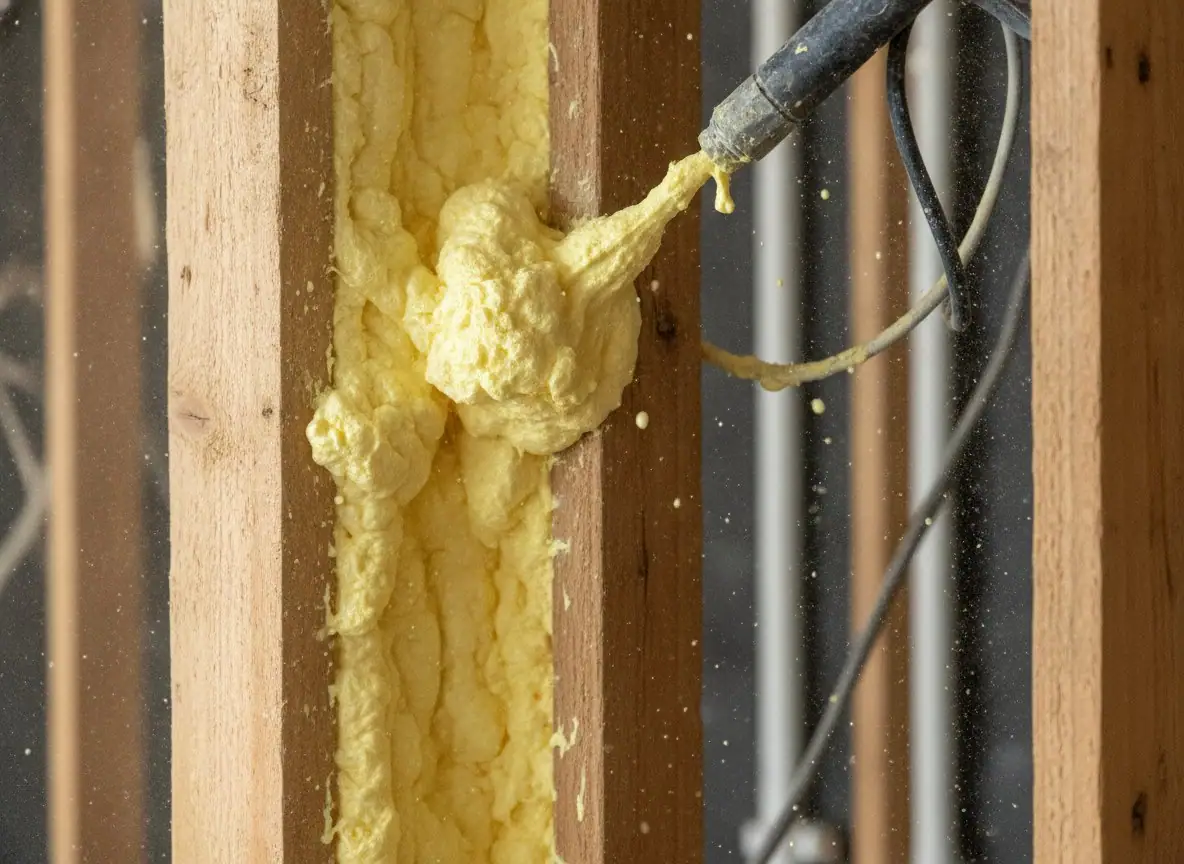
How long does spray foam removal take?
A typical single-story Calabasas attic with standard truss framing takes one to three days to clear, depending on foam thickness and access. Closed-cell foam at 3 inches or more adds time because each pass removes less material and the cured product is harder. Cathedral ceiling applications or tight crawl spaces—common in the hillside homes of Monte Nido and Topanga—extend the timeline because technicians cannot use power tools at full swing in confined areas. If the inspection reveals mold or rodent contamination, remediation work runs concurrently and may add one to two days. We give you a time estimate in writing before work starts so you can plan accordingly.
At a glance
How much does spray foam removal cost in Calabasas?
The cost of spray foam removal in Calabasas depends on several variables, none of which we can resolve without an on-site inspection. The table below explains what drives the price.
| Cost Factor | Why It Affects Price |
|---|---|
| Square footage of foam to remove | More surface area means more labor hours and more disposal volume. |
| Foam type and thickness | Closed-cell foam is denser and slower to remove than open-cell foam; thicker applications require more passes. |
| Access and pitch | Steep-pitch roofs and tight attic clearances slow technician movement and require additional safety equipment. |
| Extent of substrate damage | Rotted sheathing or pest-damaged joists require additional cleaning and documentation before insulation can be replaced. |
| Contamination type | Mold or rodent waste requires separate handling, protective equipment and disposal protocols. |
| Replacement insulation chosen | Spray foam re-installation costs more than blown-in or batt; each option carries different material and labor rates. |
| Permit requirements | Los Angeles County building permits may be required for certain scopes of work, adding a fixed permit fee and inspection scheduling time. |
We provide a written, itemized quote after a free inspection—no guesswork, no surprise line items. Financing is also available if your project is larger than expected. The next question many homeowners ask is whether their insurer will cover any of this cost.
Does homeowners insurance cover insulation removal?
Homeowners insurance may cover spray foam removal when the damage stems from a covered peril—most commonly sudden water intrusion from a roof failure, a burst pipe or fire damage. Standard policies typically exclude gradual moisture damage, pest infestations and normal wear, so the coverage determination hinges on how and when the damage occurred. Best Price Insulation helps Calabasas homeowners navigate the claims process by providing detailed inspection reports, photo documentation and written scope-of-work descriptions that adjusters require. We work directly with your insurance representative so you have the documentation needed to support your claim. Because California is a wildfire state, some policies in the Calabasas area have been revised in recent years; we recommend reviewing your current policy with your agent before assuming coverage. Whether insurance pays or not, we give you the same thorough removal and inspection—the documentation we produce is valuable regardless of the outcome.
At a glance
How is insulation replaced after removal?
Once the substrate is clean and approved, replacement insulation is installed based on your home's construction type, California Title 24 energy requirements and your performance goals. The table below compares the three main options we install in Calabasas as part of our insulation services in Calabasas.
| Insulation Type | Best Application | Key Advantage | Consideration |
|---|---|---|---|
| Spray Foam (Closed-Cell) | Roof deck, rim joists, areas needing air and moisture barrier in one layer | Highest R-value per inch; doubles as an air and vapor barrier | Higher material cost; requires professional application |
| Blown-In (Cellulose or Fiberglass) | Attic floors, hard-to-reach cavities | Cost-effective; fills irregular spaces completely; good for existing framing | Requires intact air barrier beneath; settles slightly over time |
| Batt (Fiberglass or Mineral Wool) | Open wall cavities, floors with uniform joist spacing | Easy to inspect and replace in sections; mineral wool adds fire and sound resistance | Fit must be precise—gaps reduce effective R-value significantly |
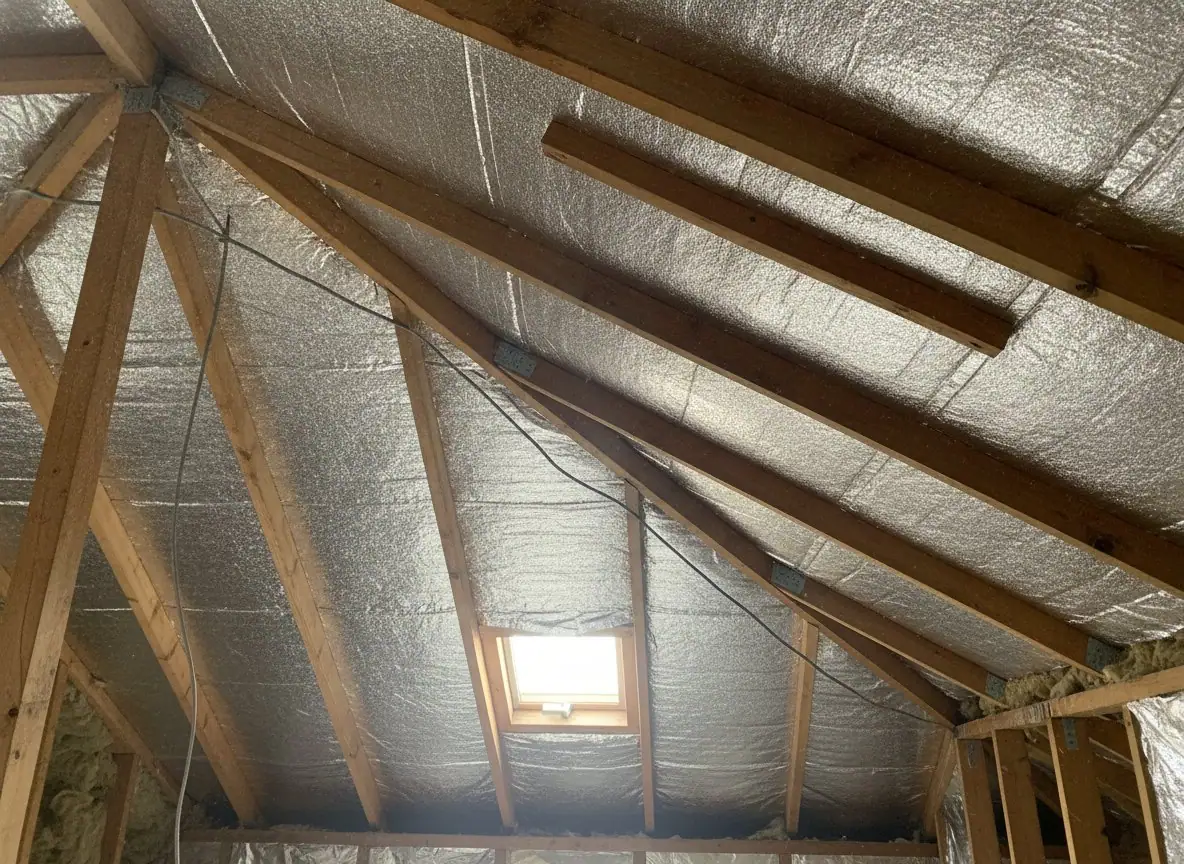
Calabasas homeowners replacing attic insulation after rodent damage can see the full range of materials and services on our attic page, and many pair blown-in insulation with our rodent-proof insulation service, which uses treated material that discourages re-infestation. We also install radiant barrier insulation in attics, which is especially effective in the intense summer heat the Calabasas hills experience. The right choice depends on your budget, your re-roofing plans and whether you need the insulation layer to perform double duty as an air barrier.
How do I choose a spray foam removal company in Calabasas?
Choose a spray foam removal company in Calabasas that performs a thorough on-site inspection before quoting, provides a written scope of work and carries the coverage needed to protect your property during a demolition-adjacent task. Specific questions to ask any contractor:
- Do you inspect the substrate after removal and document findings in writing?
- How do you handle mold or rodent waste discovered during removal?
- Can you manage the insurance claim documentation if my damage is covered?
- What replacement options do you offer, and can you install them in the same project?
- Do you offer financing for larger projects?
- Are you available for emergency situations outside business hours?
Best Price Insulation in Calabasas answers yes to every question above. We serve Calabasas and the surrounding communities of Agoura Hills, Westlake Village, Hidden Hills, Malibu, Woodland Hills, West Hills, Thousand Oaks, Pacific Palisades, Santa Monica, Beverly Hills, Topanga, Monte Nido, North Ranch, Granada Hills, Moorpark, Simi Valley, San Fernando, West Hollywood and Culver City. Our 24/7 emergency service means that if a storm causes a sudden roof leak and soaks your attic insulation tonight, we can begin the assessment process without waiting until Monday.
Ready to schedule a free inspection?
If you recognize any of the warning signs on this page, the right next step is a free on-site inspection—not a phone estimate. Spray foam removal is a scope-dependent job, and an accurate quote requires seeing the foam type, thickness, access conditions and substrate state firsthand. Best Price Insulation, your Calabasas insulation removal and replacement contractor, provides that inspection at no charge and no obligation. We document everything we find, explain your replacement options and give you a written quote before any work begins. Call us at (818) 696-4154 to book your free inspection. If you have an urgent situation—active water intrusion, pest contamination or a failed inspection that is holding up a sale or re-roofing permit—our 24/7 emergency line is the same number.
FAQ
FAQ
Can spray foam be removed from an attic roof deck?
Yes. Spray foam applied directly to the underside of roof sheathing (a "flash and batt" or unvented attic application common in Calabasas hillside homes) can be removed, but it is the most demanding removal scenario. The foam bonds tightly to the sheathing, and technicians must work carefully to avoid damaging the wood. We inspect the sheathing for rot or delamination during removal, since moisture trapped between closed-cell foam and older boards is a known failure mode in this region.
Is removed spray foam safe to dispose of?
Cured spray foam is not classified as a hazardous material under California solid-waste rules when it has fully reacted, so it is typically disposed of as construction debris. However, foam contaminated with mold, rodent waste or fire-related chemicals is handled as a separate waste stream with appropriate personal protective equipment and disposal documentation. We manage disposal in compliance with applicable regulations on every job.
Can I remove spray foam myself?
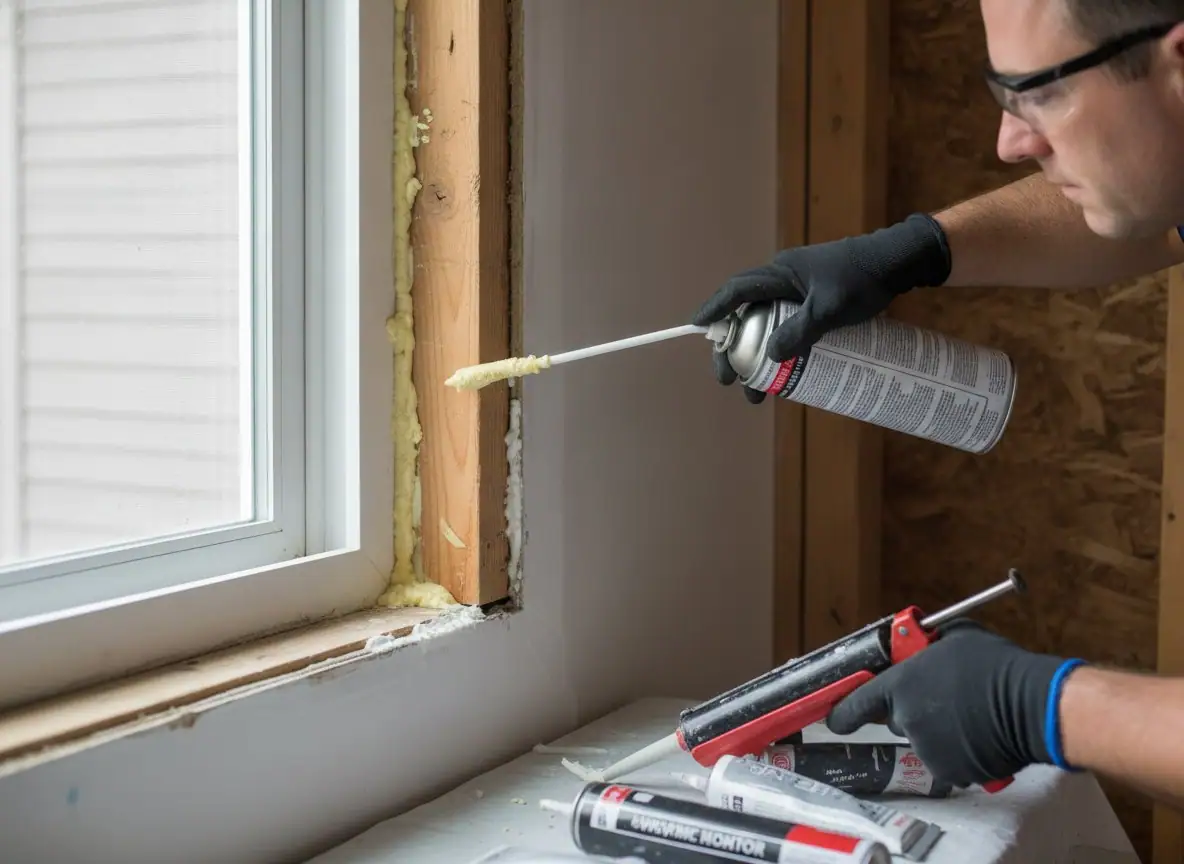
DIY removal is possible for very small areas—around a window frame or a single joist bay—but it is not practical or safe for attic-scale removal. Cured foam dust is a respiratory irritant. Working in a hot Calabasas attic in summer without negative-pressure ventilation and proper respiratory protection puts you at real risk. Additionally, DIY removal that damages roof sheathing or framing can void a roofing warranty and complicate an insurance claim. For anything beyond a patch repair, professional removal is the safer choice.
Will removing spray foam damage my roof sheathing or framing?
Removal performed by trained technicians using proper scoring techniques rarely damages sound sheathing or framing. The risk of substrate damage is higher when the wood is already compromised by moisture or pests—which is why our substrate inspection step exists. If we find rot or structural weakness during removal, we document it and pause insulation work until a structural repair is made. The removal itself does not create structural problems; it reveals ones that already exist.
Can I put new insulation over old spray foam instead of removing it?
In limited cases, yes—if the existing foam is structurally sound, fully adhered and the only issue is insufficient R-value, additional blown-in or batt insulation can be added over it on an attic floor. However, if the foam is off-ratio, water-damaged, pest-infested or applied to the roof deck where re-roofing access is needed, encapsulation is not a viable solution. A free inspection is the only reliable way to determine whether your specific foam condition qualifies for a layover approach or requires full removal.
Why choose us
Why choose Best Price Insulation?
Free estimates
Get a clear, no-obligation estimate before any work begins.
Licensed & insured
Your property and our crew are protected on every project.
Residential & commercial
One team for homes, multi-family and commercial properties.
Locally owned & operated
A local team serving your community and the surrounding area.
Get in touch
Find insulation help near you
Request a free estimate online or give us a call — our team will follow up quickly.
- Call us(818) 696-4154
- Visit26635 W Agoura Rd, Calabasas, CA 91302
- HoursMon-Sun 07:00-19:00