
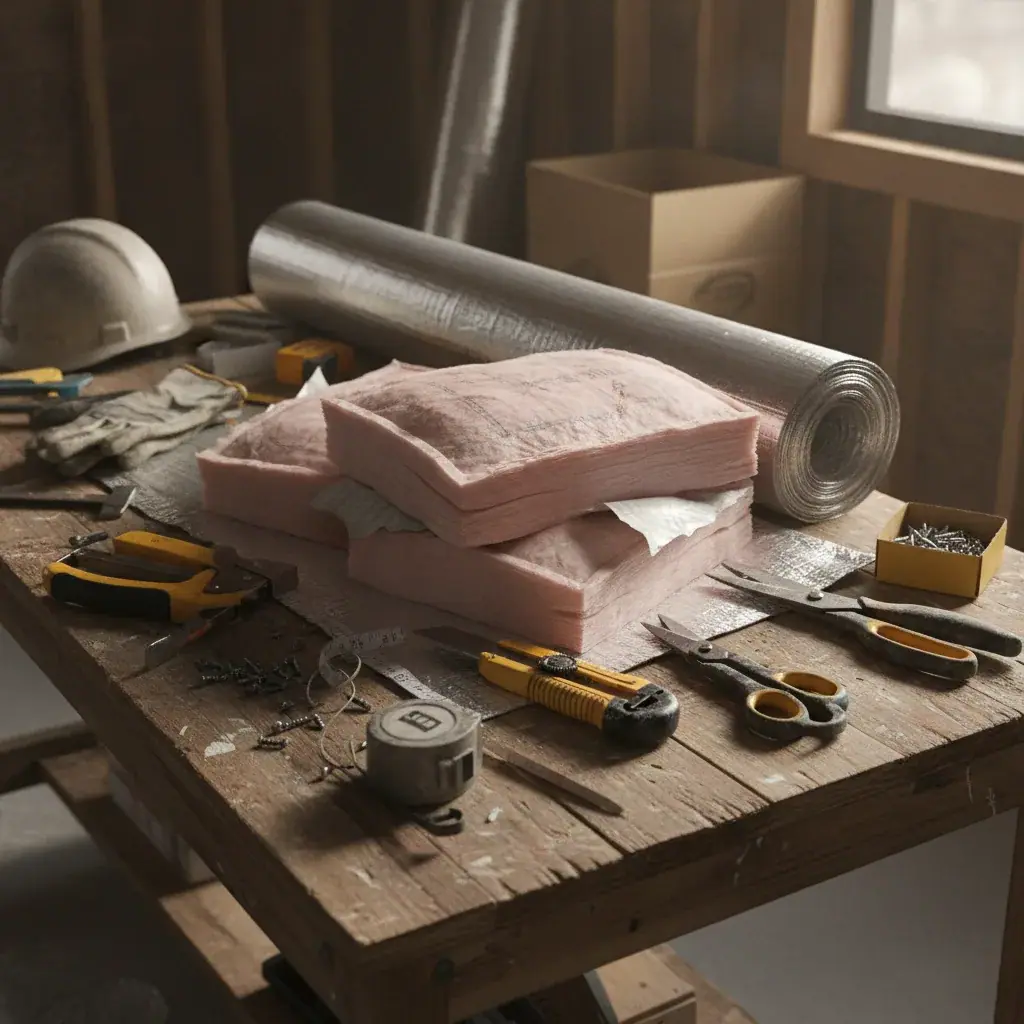
Closed Cell Spray Foam Insulation in Calabasas, CA
Energy-Saving Closed Cell Spray Foam Insulation for Calabasas, CA Homes — Licensed & Insured
Get expert closed cell spray foam insulation in Calabasas, CA. Best Price Insulation offers attic, crawl space & wall foam solutions. Call (818) 696-4154 today.
Closed cell spray foam insulation is one of the most advanced and effective insulation systems available to homeowners and commercial property owners in Calabasas, CA. Unlike traditional fiberglass batts or open cell alternatives, closed cell spray foam forms a rigid, dense barrier that delivers an impressive R-value of 6.0 to 7.0 per inch, sealing air leaks, blocking moisture intrusion, and reinforcing structural integrity simultaneously.
Calabasas presents a unique set of environmental challenges — from the intense summer heat radiating off the Santa Monica Mountains to the dry, fire-prone Santa Ana wind conditions that push hot, dry air through building envelopes each fall. These local factors make high-performance insulation not just a comfort upgrade but a genuine necessity.
Read moreShow less
At Best Price Insulation, we specialize in closed cell spray foam insulation solutions tailored specifically to the climate, building styles, and fire safety demands of Calabasas and the greater Las Virgenes area. Call us today at (818) 696-4154 to schedule your assessment.
Understanding Closed Cell Spray Foam Insulation
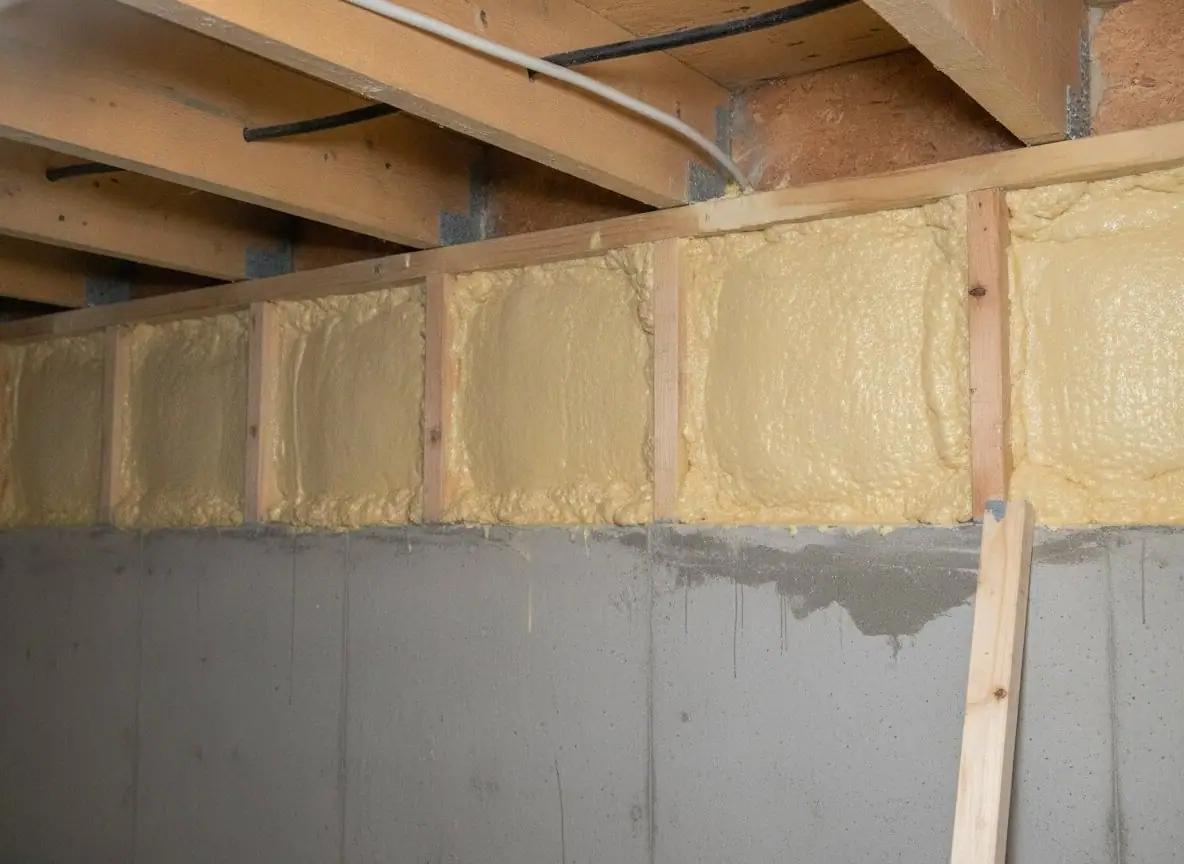
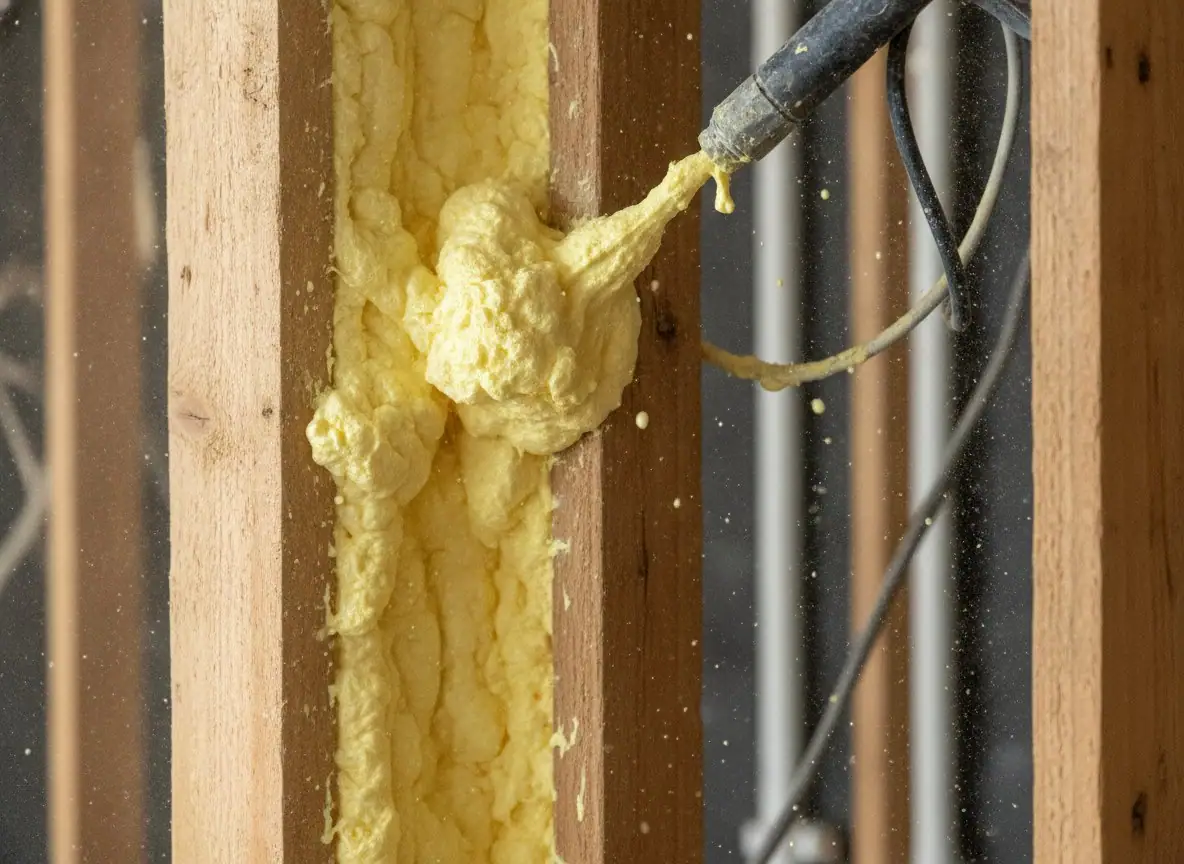
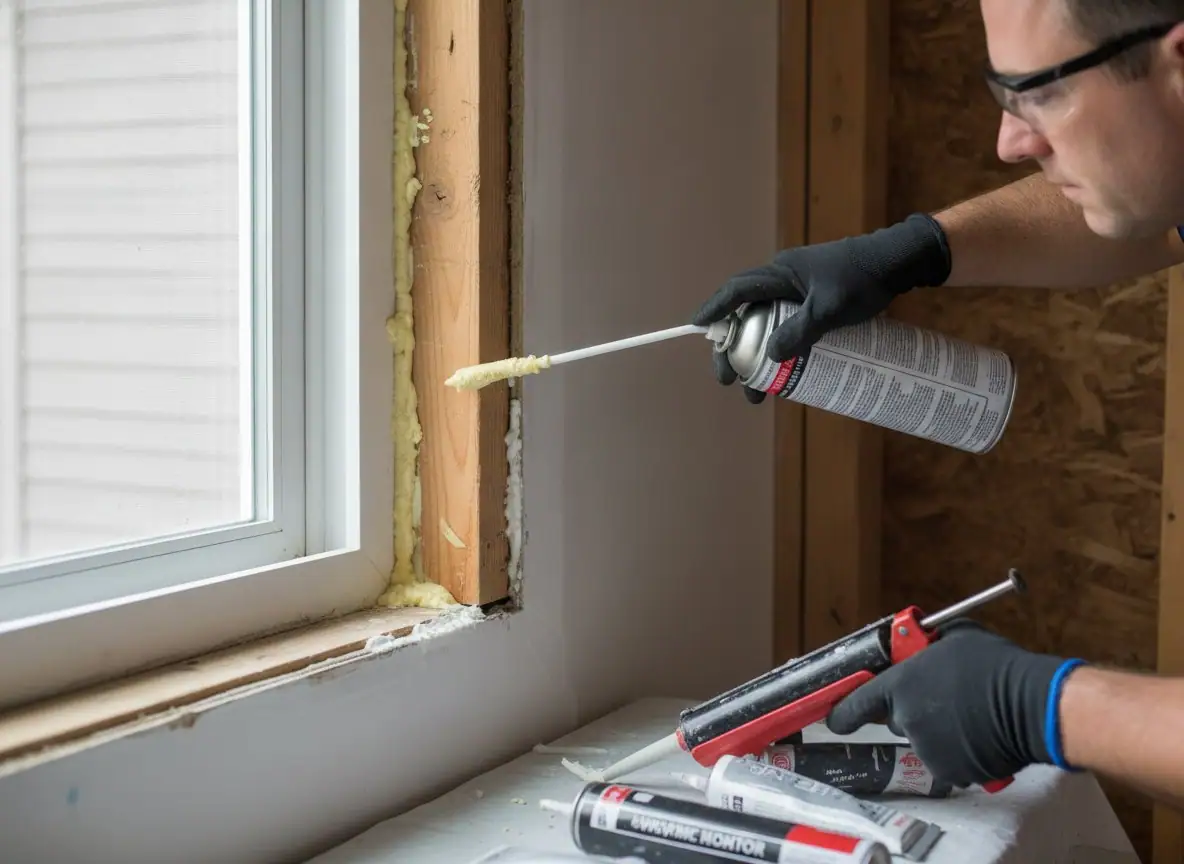
Closed cell spray foam insulation (ccSPF) is a two-component polyurethane foam system. When a trained installer combines isocyanate and polyol resin at the spray gun tip, a rapid chemical reaction occurs. The resulting foam expands to roughly 30 to 40 times its original liquid volume, then cures within seconds into a hard, closed-cell matrix. Because each individual cell is sealed shut, the foam resists vapor transmission and delivers the highest R-value per inch of any commercially available insulation material.
The technology has evolved substantially since early polyurethane foams were introduced in commercial refrigeration in the 1940s. By the 1970s energy crisis, spray-applied closed cell foam began gaining traction in residential and commercial building envelopes. Modern formulations use third-generation blowing agents that meet EPA standards for low global warming potential, making today’s closed cell foam both high-performing and environmentally responsible.
Read moreShow less
In Southern California communities like Calabasas, closed cell spray foam became increasingly prominent following the tightening of California Energy Code Title 24 requirements, particularly after the 2013 and 2019 update cycles, which pushed builders and retrofitters toward continuous insulation solutions that could meet strict air leakage testing thresholds. Blower door test requirements under Title 24 favor closed cell foam because it simultaneously insulates and air-seals in a single application.
Calabasas features a diverse building stock that benefits uniquely from closed cell spray foam. The city contains:
- Custom hillside homes built into the Santa Monica Mountain foothills, where vented crawl spaces and exposed floor systems face extreme temperature swings.
- Tract homes from the 1970s and 1980s in neighborhoods like The Oaks and Park Calabasas, which were built with minimal wall insulation by today’s standards.
- Modern luxury estates in gated communities such as The Estates at The Oaks, where homeowners demand premium energy performance and indoor air quality.
- Commercial and mixed-use buildings along Calabasas Road and the Calabasas Commons area, where metal deck roofing and large open floor plans require robust thermal performance.
Regardless of building type, closed cell spray foam’s combination of thermal resistance, air sealing, vapor control, and structural reinforcement makes it the most versatile insulation choice for Calabasas properties.
Why Closed Cell Spray Foam Insulation Is Needed in Calabasas, CA
Calabasas sits at the western edge of the San Fernando Valley, nestled against the Santa Monica Mountains in a climatic transition zone classified as a BSk/Csa semi-arid Mediterranean climate. Average summer highs regularly reach 95°F to 105°F in July and August, with roof deck temperatures on dark-colored asphalt shingle roofs exceeding 160°F during peak afternoon hours. Without an effective thermal barrier, this radiant heat load transfers rapidly into living spaces, driving up cooling costs and reducing comfort.
The Santa Ana wind events, which historically sweep through the region each October through March, compound the challenge. During a Santa Ana event, relative humidity can drop below 5 percent while temperatures spike and winds gust from 40 to 80 mph. The Woolsey Fire of November 2018 — which burned over 96,949 acres and destroyed hundreds of structures in and around Calabasas, Agoura Hills, and Malibu — illustrated precisely how vulnerable homes with unsealed attics and vented soffits are during extreme fire weather. Embers and radiant heat penetrate gaps in poorly insulated envelopes, accelerating ignition. Closed cell spray foam, when applied correctly in attic assemblies, reduces the number of pathways through which embers and superheated air can infiltrate a structure.
Read moreShow less
Beyond fire risk, the soil and topography of Calabasas create moisture management challenges that standard insulation products handle poorly. Homes built on the expansive clay soils common to the Las Virgenes Valley and Monte Nido area experience foundation movement and crawl space moisture fluctuations. During the atmospheric river events of January and February 2023, which delivered record rainfall across Los Angeles County, many crawl spaces in Calabasas and neighboring Hidden Hills experienced elevated relative humidity above 80 percent. Traditional fiberglass batts in floor systems absorbed moisture, lost R-value, promoted mold colonization, and sagged out of position. Closed cell spray foam’s near-zero vapor permeance (0.8 perms at 2 inches) makes it highly resistant to these moisture events.
Calabasas also sits within Los Angeles County’s Very High Fire Hazard Severity Zone (VHFHSZ). Local building and fire codes increasingly require that new construction and substantial renovations meet strict ember-resistance and air-sealing standards. Closed cell spray foam helps homeowners satisfy California Building Code Section R806 requirements for unvented attic assemblies, providing a code-compliant path that also dramatically improves energy performance.
The Las Virgenes Municipal Water District service area, which covers Calabasas, reflects a community that values resource efficiency. Residents who invest in closed cell spray foam insulation typically report 20 to 40 percent reductions in HVAC energy consumption, consistent with studies published by the California Energy Commission for similar Mediterranean-climate residential retrofits. For homes in gated Calabasas communities like The Oaks at Calabasas or Calabasas Park Estates, where home square footage frequently ranges from 3,000 to 8,000 square feet, those energy savings translate to hundreds or even thousands of dollars annually.
Free, no-obligation estimates
Talk to Best Price Insulation
Tell us what you need and we’ll take it from there.
Signs You Need Closed Cell Spray Foam Insulation in Calabasas
Energy Performance Indicators
- Summer electricity bills exceeding $400 to $600 per month for a mid-size Calabasas home despite standard air conditioning use
- HVAC system running continuously during July and August afternoon hours without reaching setpoint temperature
- Noticeable temperature differences of more than 5°F between rooms on the same floor
- Drafts near recessed lights, electrical outlets, or attic access hatches during Santa Ana wind events
Moisture and Structural Warning Signs
- Musty odors in crawl spaces or lower levels following winter rain events
- Visible sagging or displaced fiberglass batts in floor joists under the home
- Condensation forming on interior walls or window frames during cool mornings in January and February
- Water staining or efflorescence on crawl space foundation walls
Comfort and Indoor Air Quality Concerns
- Persistent dust or outdoor smoke odors entering the home during Calabasas wildfire smoke events
- Allergy symptoms worsening indoors during high pollen periods in the Santa Monica Mountains foothills
- Audible noise transmission from neighboring homes or Calabasas Road traffic through walls
Urgency Indicators
- Home built before 1985 with no record of insulation upgrades
- Existing insulation showing visible mold growth or pest contamination
- Preparing for a Title 24 compliance inspection for a permitted renovation
Our process
Our Closed Cell Spray Foam Insulation Process in Calabasas
- 01
On-Site Assessment and Thermal Imaging (Day 1 — 1 to 2 Hours)
Our technician visits your Calabasas property to perform a visual inspection and, where appropriate, a thermal imaging scan. We identify air leakage pathways, existing insulation deficiencies, and moisture concerns specific to your building type — whether a 19
- 02
Detailed Proposal and Title 24 Review (Day 1 to 3)
We provide a transparent, itemized written proposal including material specifications, R-value targets, and square footage calculations. For permitted projects, we review applicable Title 24 Part 6 energy compliance requirements and note where our closed cell
- 03
Pre-Installation Preparation (Installation Day — 1 to 2 Hours)
Our crew protects all surfaces not receiving foam application, including HVAC equipment, electrical panels, and finished flooring. In Calabasas attics, we verify that existing recessed light fixtures are rated for insulation contact (IC-rated) or are properly
- 04
Closed Cell Spray Foam Application (2 to 8 Hours Depending on Scope)
Trained installers apply closed cell spray foam in lifts typically not exceeding 2 inches per pass to manage exothermic heat buildup — a critical quality control step in warm Calabasas weather when ambient temperatures can exceed 90°F on installation days. App
- 05
Cure Time and Off-Gassing Ventilation (2 to 24 Hours)
After application, the foam requires a minimum cure period. We ventilate the space and advise occupants on re-entry timing per California OSHA and manufacturer guidelines. In summer Calabasas conditions, cure time is typically shorter due to higher ambient tem
- 06
Quality Inspection and Thickness Verification
We perform a final inspection using depth probes and visual confirmation to verify that all areas have achieved specified foam thickness and uniform coverage. Any voids or thin spots are identified and corrected before project closeout.
- 07
Cleanup and Documentation
The installation area is cleaned, protective coverings are removed, and we provide the homeowner with a written project summary documenting R-values achieved, materials used, and any relevant compliance notes for permit files.
Closed Cell Spray Foam Methods and Approaches
Unvented Attic Assembly (Hot Roof)
Applying closed cell spray foam directly to the underside of the roof deck converts a vented attic into an unvented conditioned or semi-conditioned space. This approach is ideal for Calabasas homes in the VHFHSZ because it eliminates the vented soffit openings that allow ember entry during fire events. It also moves HVAC ducts inside the thermal envelope, dramatically reducing duct system heat gain during the summer months when attic temperatures can exceed 150°F.
Crawl Space Encapsulation with Closed Cell Foam
For Calabasas homes with vented crawl spaces — particularly common in hillside properties in Topanga Canyon adjacent areas and Monte Nido — closed cell foam applied to crawl space walls and rim joists, combined with a ground vapor barrier, creates a fully encapsulated moisture-controlled environment. This directly addresses the high-humidity crawl space conditions that spike after winter atmospheric river events. Learn more about our crawl space encapsulation services
Learn moreWall Cavity and Rim Joist Injection Foam
For existing 1970s and 1980s Calabasas tract homes where wall cavities contain minimal or degraded insulation, closed cell spray foam can be applied through drilled access ports, filling cavities without requiring full wall demolition. This is a minimally invasive retrofit approach particularly well-suited to Calabasas Park neighborhood homes preparing for resale or major HVAC upgrades.
Roof Deck and Metal Building Applications
Commercial properties and garages along the Calabasas Road commercial corridor often feature metal panel roofing systems prone to severe condensation and radiant heat gain. Closed cell foam applied to the underside of metal decking provides both thermal performance and a dew point control layer that prevents interior condensation damage.
Hybrid Insulation Systems
In some applications, particularly deep attic spaces in large Calabasas estates, we combine a closed cell foam layer for air sealing and vapor control with a blown-in insulation layer above to achieve target R-values cost-effectively. Explore our blow-in insulation options
Closed Cell Spray Foam Insulation Cost in Calabasas, CA
Understanding the cost of closed cell spray foam insulation in Calabasas helps homeowners budget accurately and evaluate proposals. Pricing is influenced by application area, required thickness, site access conditions, and current material costs.
Typical Price Ranges
- Closed cell spray foam — installed: $1.50 to $3.50 per board foot (one board foot equals one square foot at one inch thick)
- Attic roof deck application (unvented assembly): $3,500 to $9,000 for a typical 1,500 to 2,500 square foot Calabasas home attic at 3-inch thickness
- Crawl space encapsulation with closed cell foam: $4,000 to $10,000 depending on crawl space square footage and access difficulty
- Rim joist and band joist sealing: $800 to $2,000 for most single-family homes
- Full wall cavity retrofit: $3.00 to $5.00 per square foot of wall area
Read moreShow less
Calabasas-Specific Cost Factors
Hillside properties in Calabasas — particularly in Monte Nido and areas bordering Topanga State Park — often require additional labor due to limited access, steep crawl space grades, and longer material hose runs. Expect a 10 to 20 percent premium for difficult-access hillside sites compared to flat-lot tract homes. Larger estate homes in The Oaks or Hidden Hills adjacent areas with 4,000 to 8,000 square foot attic plans will see per-square-foot costs decrease modestly due to economies of scale.
Los Angeles Department of Building and Safety or LA County permit fees, when required for larger commercial or significant residential projects, add $200 to $800 to project costs.
Homeowners may offset costs through Southern California Edison energy efficiency rebate programs and federal residential energy tax credits (currently 30 percent of insulation project costs under the Inflation Reduction Act through 2032). Call us at (818) 696-4154 to discuss current incentive availability.
Calabasas Neighborhoods We Serve
The Oaks at Calabasas
This prestigious gated community features large custom homes built primarily from the late 1990s through the 2010s. While newer than much of the Calabasas housing stock, many homes here have vented attic assemblies with HVAC ducts in unconditioned attic spaces that lose significant energy during summer months. Closed cell spray foam hot-roof conversions are particularly impactful in The Oaks homes with high cathedral ceilings and complex rooflines.
Calabasas Park Estates and Park Calabasas
Built predominantly between 1975 and 1990, these neighborhoods contain a large number of single-story and two-story tract homes with fiberglass batt insulation that has aged, settled, and in many cases been disturbed by pest activity or plumbing work. These homes represent the highest volume of closed cell foam retrofit work we perform in the area. Learn about our attic insulation services for older Calabasas homes
Monte Nido
This semi-rural enclave sits in a canyon adjacent to Malibu Creek State Park. Monte Nido homes, many built in the 1960s through 1980s on hillside lots, face some of the most demanding moisture and fire-risk conditions in the Calabasas area. Vented crawl spaces here are particularly vulnerable to post-storm moisture and wildfire ember exposure. Closed cell spray foam encapsulation is the most appropriate and durable solution for these properties.
Maintaining Your Closed Cell Spray Foam Insulation in Calabasas
- Annual visual inspection: Once per year, inspect accessible foam surfaces in attics and crawl spaces for any mechanical damage, pest penetration, or UV degradation if foam is exposed to sunlight.
- Protect exposed foam from UV: Closed cell foam degrades when exposed to direct sunlight. Any exposed foam surfaces in garages or utility areas should be covered with an intumescent coating, drywall, or paint within 90 days of installation per California fire code.
- Monitor crawl space humidity: Even with closed cell foam encapsulation, install a hygrometer in your Calabasas crawl space and check readings after major rain events. Target below 60 percent relative humidity year-round.
- Maintain pest control: Rodents in the Calabasas foothills can chew through spray foam. Maintain an active pest control program and inspect for entry points annually, particularly after Malibu Creek State Park wildlife movement seasons.
- Check HVAC penetrations: Inspect pipe, duct, and wire penetrations through foamed assemblies annually to ensure no gaps have opened due to thermal cycling or vibration.
- Re-evaluate after seismic events: Following earthquakes of magnitude 4.5 or greater in the greater Los Angeles area, conduct a visual inspection of foam in crawl spaces and attics for any cracking at rigid connections.
- Preserve foam during renovations: Inform any future contractors that spray foam assemblies should not be cut or penetrated without consulting an insulation professional to avoid compromising air sealing and vapor control performance.
Why Choose Best Price Insulation for Closed Cell Spray Foam in Calabasas
Best Price Insulation has built its reputation serving homeowners and commercial property managers throughout the Calabasas area and surrounding communities including Agoura Hills, Westlake Village, Hidden Hills, and Malibu. Our technicians understand the specific thermal, moisture, and fire-risk challenges that Calabasas properties face — from the punishing heat of the San Fernando Valley floor to the ember-loaded Santa Ana wind events that threaten the VHFHSZ communities in our service area.
We use only high-performance, EPA-compliant closed cell spray foam materials and follow manufacturer application guidelines to ensure you receive consistent R-value and long-term performance. Our team stays current with California Title 24 energy code requirements and Los Angeles County building department standards so that our work is always code-compliant and ready for permit inspection.
Read moreShow less
We serve the full range of Calabasas building types — from aging 1970s tract homes in Park Calabasas to multimillion-dollar custom estates in The Oaks — and we bring the same attention to detail and technical precision to every project, regardless of size. Contact us today at (818) 696-4154 for a no-obligation assessment. View our full insulation installation services
FAQ
Frequently Asked Questions: Closed Cell Spray Foam Insulation in Calabasas
How much does closed cell spray foam insulation cost in Calabasas, CA?
In Calabasas, closed cell spray foam typically costs between $1.50 and $3.50 per board foot installed. A typical attic application for a 2,000 square foot home runs $4,000 to $8,000, while crawl space encapsulation projects range from $4,000 to $10,000. Hillside properties in areas like Monte Nido may carry a modest access premium. Federal tax credits and Southern California Edison rebates can reduce your net cost significantly.
Is closed cell spray foam the right choice for Calabasas homes in the fire hazard zone?
Yes. Closed cell spray foam is particularly well-suited to Calabasas homes located in the Very High Fire Hazard Severity Zone. When applied as part of an unvented attic assembly, it eliminates soffit and ridge vents that can admit embers during events like the 2018 Woolsey Fire. An unvented foam assembly also reduces the air exchange pathways through which superheated combustion gases can enter the home during a wildfire event.
How long does a closed cell spray foam installation take in Calabasas?
Most residential projects in Calabasas are completed within one to two days. A standard attic application for a 2,000 square foot home takes four to eight hours of active spray time. Crawl space encapsulation projects may require an additional half-day to full day. Homeowners can typically re-occupy the property within a few hours after the foam has cured and the space has been adequately ventilated.
Will closed cell spray foam help reduce my electricity bills in Calabasas’s hot summers?
Yes. Homes in Calabasas that upgrade to closed cell spray foam in their attic assemblies routinely report 20 to 40 percent reductions in HVAC energy consumption. Moving HVAC ducts inside the thermal envelope by converting to an unvented attic assembly is particularly impactful — duct systems in traditional vented Calabasas attics can lose 20 to 30 percent of conditioned air to heat gain when the attic is 140°F or hotter in summer.
Do I need a permit for closed cell spray foam insulation in Calabasas?
Permit requirements vary by scope. Simple insulation additions or replacements in existing attics typically do not require a permit in Los Angeles County. However, converting a vented attic to an unvented assembly, performing major crawl space encapsulation, or applying foam as part of a larger permitted renovation project may require a building permit and energy compliance documentation. Best Price Insulation will advise you on permit requirements during the proposal phase.
How does closed cell spray foam compare to open cell foam for Calabasas homes?
Closed cell foam delivers a higher R-value per inch (6.0 to 7.0 vs. 3.5 to 4.0 for open cell), acts as a vapor retarder, adds structural rigidity, and resists moisture absorption — all critical advantages in Calabasas where summer temperatures are extreme and winter rain events can drive high crawl space humidity. Open cell foam is vapor-permeable and absorbs water, making it less suitable for crawl space applications and unvented attic assemblies in the Calabasas climate. Compare all spray foam insulation options
Can closed cell spray foam be applied over existing insulation?
In many cases, yes, but it depends on the existing insulation’s condition. Old fiberglass batts that are contaminated with mold, rodent waste, or debris — common in older Calabasas homes where pest activity is frequent given the proximity to open space preserves — should be removed before foam application. Best Price Insulation offers professional insulation removal services. Learn about our insulation removal services Fresh, undamaged existing insulation may remain in place in some hybrid application scenarios.
How long does closed cell spray foam last in a Calabasas home?
Properly installed closed cell spray foam that is protected from UV exposure and mechanical damage has an expected service life of 80 years or more. The foam does not settle, compress, or lose R-value over time the way fiberglass batts do. It is one of the few insulation materials that actually improves in certain physical properties — such as dimensional stability — as it ages, making it an excellent long-term investment for Calabasas homeowners.
Get a Free Closed Cell Spray Foam Insulation Estimate in Calabasas Today
If your Calabasas home is struggling with high summer cooling bills, uncomfortable temperature swings, drafty rooms during Santa Ana wind events, or moisture issues in your crawl space, closed cell spray foam insulation from Best Price Insulation is the solution you need. We serve Calabasas and surrounding communities including Agoura Hills, Westlake Village, Hidden Hills, Malibu, Thousand Oaks, and Woodland Hills.
Our team is ready to assess your property, provide a clear and competitive proposal, and deliver a high-quality installation that meets California Title 24 requirements and your home’s specific performance goals. Do not wait until the next heatwave or wildfire season to protect your home and your family’s comfort.
Read moreShow less
Call Best Price Insulation now at (818) 696-4154 to schedule your no-obligation on-site assessment. You can also reach us through our website to request a quote at your convenience. Request your free insulation estimate today
Get in touch
Find insulation help near you
Request a free estimate online or give us a call — our team will follow up quickly.
- Call us(818) 696-4154
- Visit26635 W Agoura Rd, Calabasas, CA 91302
- HoursMon-Sun 07:00-19:00