

Batt Insulation in Calabasas, CA
Energy-Saving Batt Insulation for Calabasas, CA Homes — Licensed & Insured
Need batt insulation in Calabasas, CA? Best Price Insulation offers expert installation, removal & replacement. Call (818) 696-4154 for a free estimate today.
Batt insulation is one of the most widely used and cost-effective thermal and acoustic insulation solutions available for residential and commercial properties. Consisting of pre-cut panels or rolls of fibrous material — typically fiberglass or mineral wool — batt insulation fits snugly between wall studs, floor joists, and ceiling rafters to form a continuous thermal barrier that keeps conditioned air inside and outdoor temperatures out.
In Calabasas, CA, where summer temperatures routinely climb into the high 90s and dry Santa Ana wind events can dramatically shift indoor comfort conditions, having properly installed batt insulation is not a luxury — it is a necessity. The community’s mix of sprawling luxury estates in gated communities like The Oaks and The Estates, mid-century ranch homes near Mulholland Highway, and newer construction along Las Virgenes Road each presents unique insulation demands.
Read moreShow less
At Best Price Insulation, we specialize in delivering precision batt insulation installations tailored to Calabasas’s distinct climate, building stock, and local building codes. Call us today at (818) 696-4154 to schedule your free assessment.
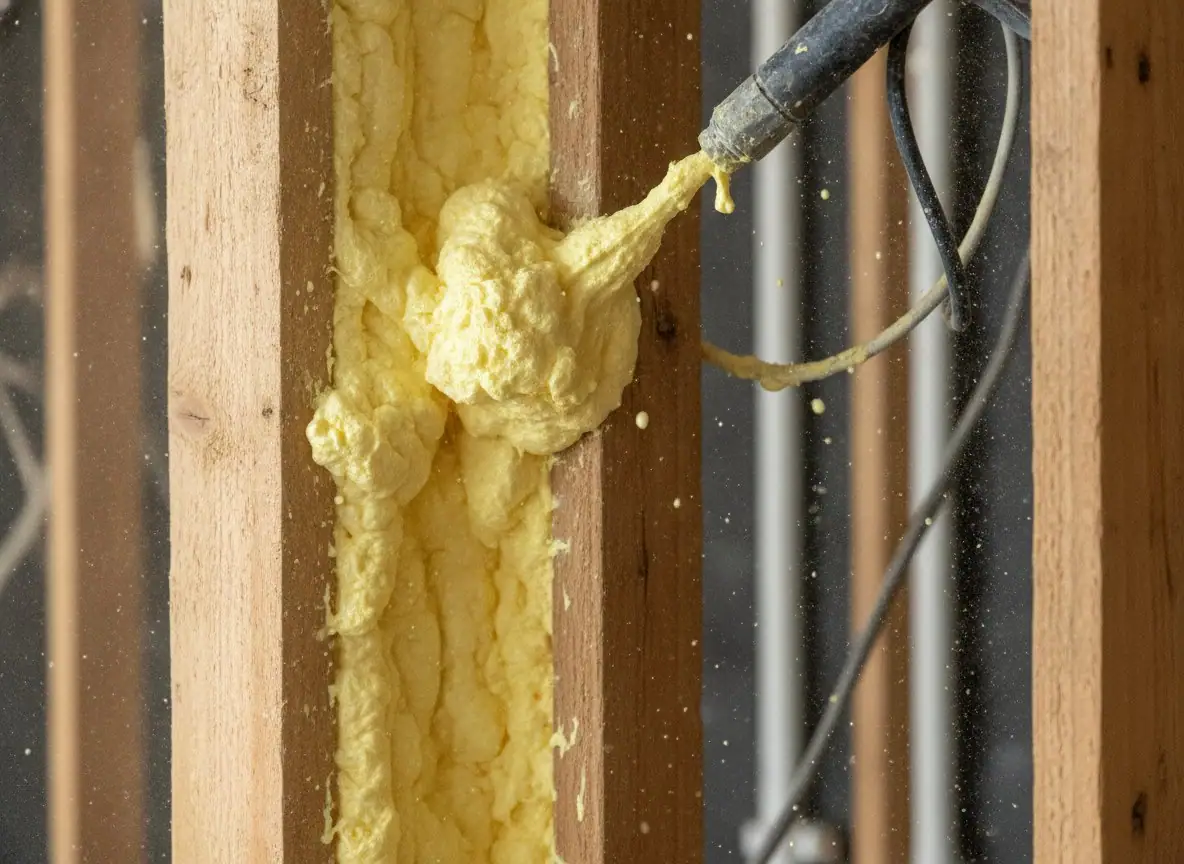
Understanding Batt Insulation in Calabasas
Batt insulation — sometimes called blanket insulation — has been a cornerstone of American residential construction since the mid-20th century. Its design is elegantly simple: pre-sized rectangular sections of fibrous material are manufactured to match standard stud spacing (typically 16 or 24 inches on center), allowing for fast, consistent installation across large surfaces.
The two most common materials used in batt insulation are:
- Fiberglass Batts: Made from fine glass fibers, these are lightweight, non-combustible, and moisture-resistant. They are the most common choice in California residential construction and are available in R-values ranging from R-11 to R-38 depending on thickness.
- Mineral Wool (Rockwool) Batts: Made from volcanic rock or industrial slag, mineral wool batts offer superior fire resistance (rated to approximately 1,400°F), better soundproofing, and slight moisture management advantages. These are increasingly popular in Calabasas homes where wildfire risk and acoustic privacy are priorities.
Read moreShow less
California’s Title 24 Building Energy Efficiency Standards, last significantly updated in 2022, mandate specific minimum R-values for residential structures depending on climate zone. Calabasas falls within Climate Zone 10, which requires a minimum of R-38 in attic spaces and R-13 in exterior walls for new construction. Many older Calabasas homes — particularly those built during the community’s rapid development boom of the 1980s and early 1990s — were constructed to lower standards and are now significantly under-insulated by current benchmarks.
Batt insulation is used throughout a structure, including:
- Exterior walls (between studs)
- Attic floors and roof rafters
- Basement ceilings and crawl space floors
- Interior partition walls (for acoustic separation)
- Garage ceilings adjacent to living spaces
For Calabasas’s custom home market, batt insulation is frequently combined with spray foam insulation at rim joists and irregular cavities to achieve comprehensive thermal envelopes, maximizing energy performance while managing installation costs effectively.
Why Batt Insulation Is Needed in Calabasas, CA
Extreme Thermal Swings in Climate Zone 10
Calabasas sits in the western San Fernando Valley foothills, where the climate is classified as semi-arid Mediterranean. Summer daytime highs frequently reach 95°F to 105°F, while nighttime lows can dip to 55°F — a daily swing of 40+ degrees that places constant stress on HVAC systems. The California Energy Commission’s data shows that homes in Climate Zone 10 without adequate insulation can spend 30–50% more annually on heating and cooling than properly insulated equivalents. Upgrading to California Title 24-compliant batt insulation directly addresses this energy drain.
Santa Ana Wind Events and Wildfire Ember Intrusion
Calabasas has experienced devastating wildfire proximity, most notably during the November 2018 Woolsey Fire, which burned over 96,949 acres and forced the evacuation of tens of thousands of Calabasas and surrounding community residents. During Santa Ana wind events — which regularly deliver sustained winds of 35–50 mph with gusts exceeding 70 mph through the Conejo Grade and Las Virgenes corridors — homes with degraded or improperly installed insulation are more vulnerable to ember intrusion through attic vents and wall gaps. Mineral wool batt insulation, with its Class A fire rating, adds a meaningful layer of passive fire resistance to attic assemblies.
Aging Housing Stock in Established Neighborhoods
Much of Calabasas’s residential inventory was built between 1978 and 1995, during a period when the city transitioned from a rural unincorporated community to an incorporated city (officially incorporated in 1991). Homes in neighborhoods like Old Calabasas, along Park Entrada, and the original tracts near Calabasas Road were often built with R-11 wall insulation and R-19 attic insulation — less than half the current Title 24 requirement. Decades of settling, pest activity, and moisture exposure have further degraded these batts’ effective R-values.
Moisture and Marine Air Influence
Despite its inland classification, Calabasas regularly experiences marine layer intrusion from the Pacific Ocean, just 12 miles to the southwest via Malibu Canyon Road. This “June Gloom” pattern — which can persist from late May through early July — introduces elevated humidity levels into attic spaces that were never designed for moisture management. Fiberglass batts in affected attic assemblies can absorb moisture, reducing their effective R-value by 20–40% when wet and creating conditions conducive to mold growth. Replacing degraded batts and addressing vapor management is essential for homes in lower-elevation Calabasas neighborhoods near Las Virgenes Creek.
High-Value Custom Homes Demand Performance
The Oaks of Calabasas, The Estates at The Oaks, and Hidden Hills-adjacent parcels feature homes valued between $2 million and $10+ million, where energy efficiency, acoustic comfort, and indoor air quality directly affect property value. Homeowners in these communities increasingly seek insulation upgrades not just for comfort but as part of broader sustainability and resale positioning strategies.
Free, no-obligation estimates
Talk to Best Price Insulation
Tell us what you need and we’ll take it from there.
Signs You Need Batt Insulation in Calabasas
Energy and Comfort Indicators
- Monthly SoCalGas or Edison bills that have increased more than 15% year-over-year without changes in usage
- Rooms along south-facing or west-facing exterior walls that are 5–10°F warmer than the rest of the home during summer afternoons
- HVAC systems running continuously during Calabasas summer heat events without reaching the thermostat setpoint
- Drafts felt near electrical outlets on exterior walls, a classic sign of missing or compressed wall batts
Visual and Physical Warning Signs
- Visible fiberglass batt material in the attic that is yellowed, flattened, or has fallen away from joist bays
- Dark staining or discoloration on insulation batts, indicating moisture infiltration or air movement through the material
- Evidence of rodent nesting within insulation — a common issue in Calabasas hillside homes where roof rats and squirrels access attic spaces through tile roof gaps
- Pest droppings or urine odors emanating from wall or ceiling cavities
Structural and Age-Based Urgency
- Home was built prior to 1993 and has never had an insulation assessment
- Recent remodel that opened wall cavities — an ideal time to upgrade to current R-value standards
- Post-wildfire inspection revealing smoke-damaged or ember-compromised insulation in attic spaces
Our process
Our Batt Insulation Installation Process in Calabasas
- 01
Comprehensive Home Energy Assessment (1–2 Hours)
Every project begins with a thorough on-site evaluation. Our technicians inspect your attic, walls, crawl space, and garage using thermal imaging cameras to identify thermal bridges, missing insulation zones, and air leakage points specific to your home’s cons
- 02
Insulation Removal (If Required) (Half Day to Full Day)
If existing insulation is degraded, pest-contaminated, or fire-damaged, we perform complete insulation removal before new batts are installed. Our HEPA-equipped vacuum systems contain all debris, protecting your home’s indoor air quality throughout the process
- 03
Air Sealing and Prep Work (2–4 Hours)
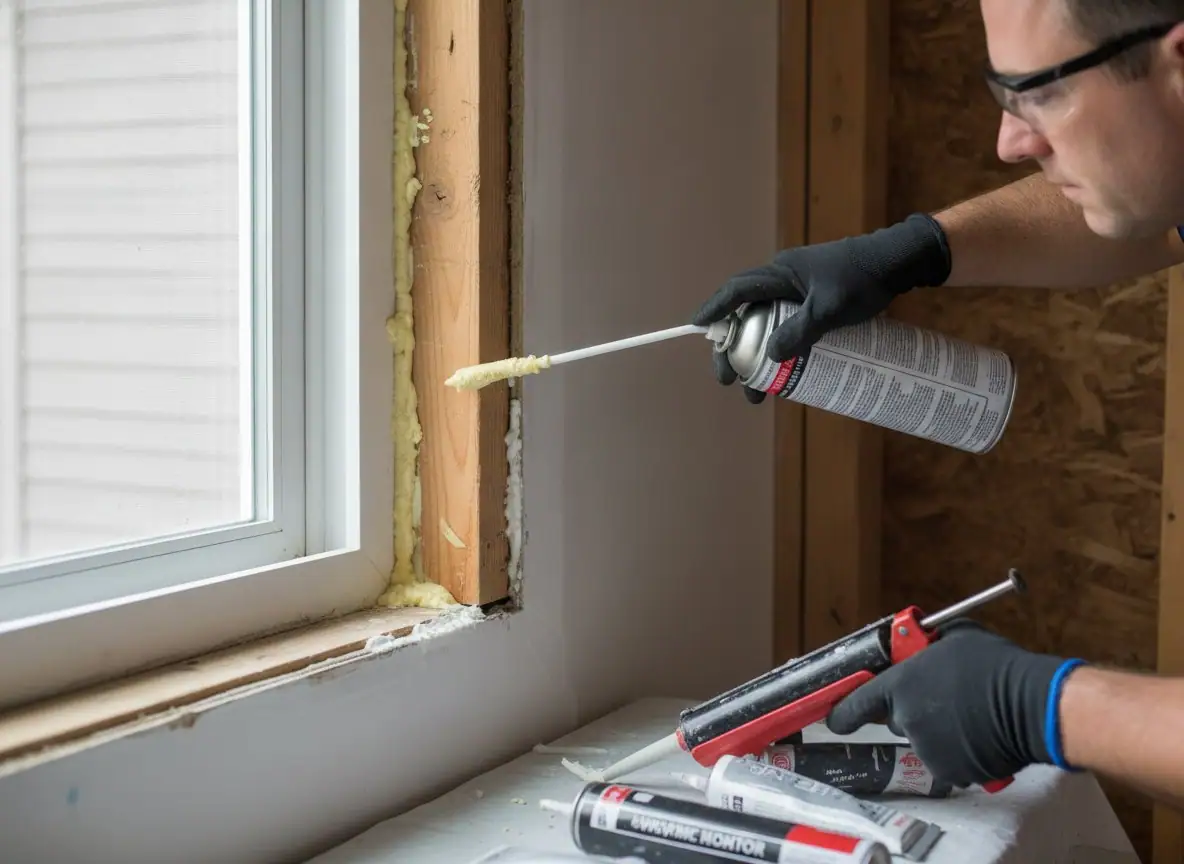
Before any batt is placed, we seal all penetrations — plumbing stacks, electrical boxes, recessed lighting housings, and HVAC boot connections — using low-expansion spray foam or fire-rated caulk. This step is critical in Calabasas homes, where decades of sett
- 04
Batt Cutting and Fitting (Variable by Project)
Our installers custom-cut batts to fit non-standard cavities, around electrical wiring, and along angled rafter assemblies common in Calabasas’s custom-built split-level homes. Batts are installed friction-fit — never stuffed or compressed — to maintain full R
- 05
Vapor and Radiant Barrier Integration (Where Applicable)
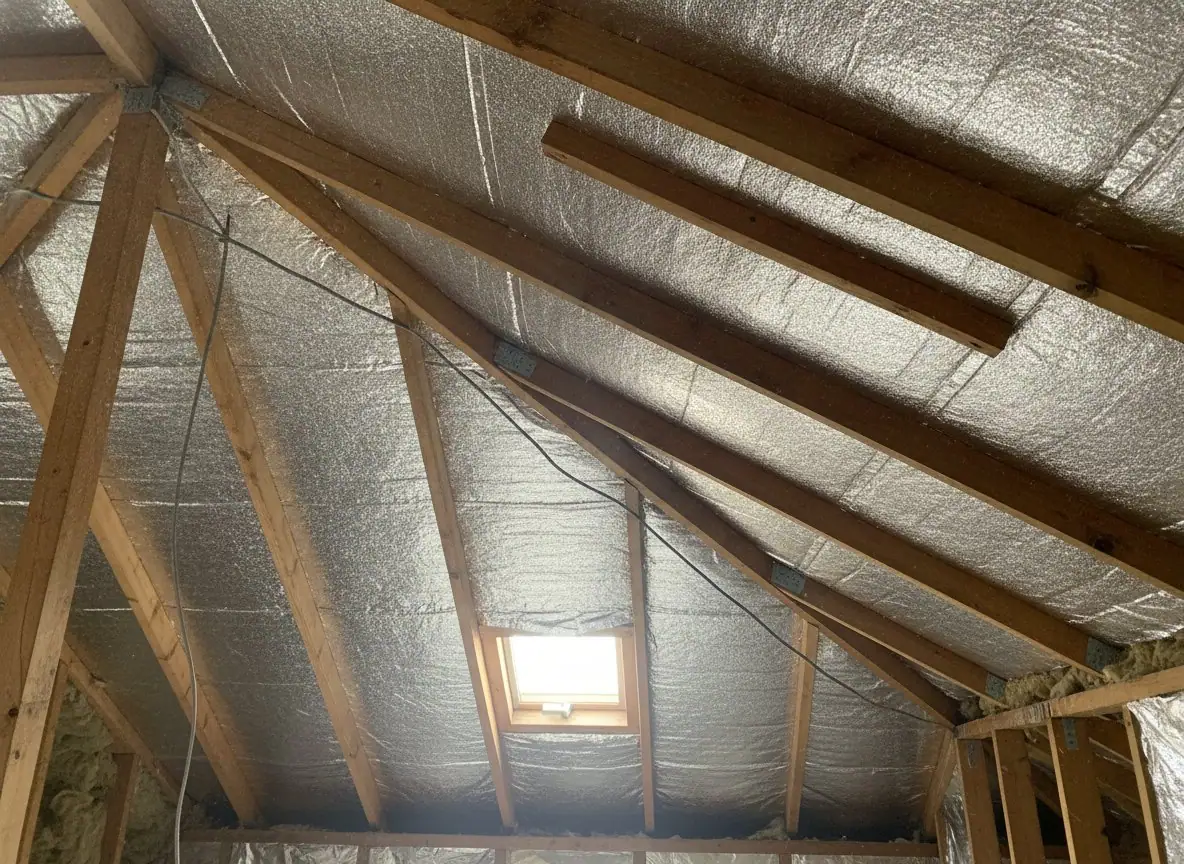
For attic assemblies on south- and west-facing roof planes that receive intense afternoon solar gain in Calabasas’s hot summers, we integrate radiant barrier foil beneath the roof deck in combination with batt insulation to reduce radiant heat transfer by up t
- 06
Final Inspection and Documentation (1 Hour)
We conduct a post-installation thermal imaging walkthrough and provide you with written documentation of R-values achieved, materials used, and California Title 24 compliance status — documentation that is valuable for HOA records, home sales, and permit close
Batt Insulation Methods and Approaches
Standard Friction-Fit Fiberglass Batt Installation
The most common method for open wall cavities during new construction or remodel phases. Batts are sized to the stud bay and held in place by friction against framing members. This approach is ideal for Calabasas tract homes built in the 1980s–1990s where standard 2×4 or 2×6 framing is uniform.
Mineral Wool Batt Installation for Fire-Resistant Applications
Given Calabasas’s designation as a High Fire Hazard Severity Zone by Cal Fire, mineral wool batts are increasingly specified for attic applications, garage-to-living-space assemblies, and exterior walls. Mineral wool’s non-combustibility and ability to withstand temperatures exceeding 1,400°F makes it the preferred choice for homes in The Oaks, on Mulholland Highway, and in other Wildland-Urban Interface (WUI) areas.
Hybrid Batt and Spray Foam Systems
For maximum air sealing performance, we combine batt insulation in field areas with spray foam insulation at rim joists, top plates, and irregular penetrations. This hybrid approach achieves both the thermal mass of batts and the air-impermeability of foam, making it ideal for Calabasas’s larger custom homes.
Acoustic Batt Installation for Interior Partitions
Many Calabasas homeowners request acoustic batt installation in interior partition walls — particularly in home theaters, primary bedroom suites, and home offices — using high-density mineral wool or specialty acoustic fiberglass products rated for Sound Transmission Class (STC) values of 45–52.
Batt Insulation Cost in Calabasas, CA
Understanding batt insulation costs in Calabasas helps homeowners budget accurately and evaluate proposals. Below are typical price ranges based on current market conditions in the western San Fernando Valley and Conejo Valley regions.
Typical Price Ranges
- Attic Batt Insulation (R-38, fiberglass): $1.50–$2.50 per square foot installed
- Exterior Wall Batt Insulation (R-13 to R-21, open walls): $1.00–$2.00 per square foot installed
- Mineral Wool Batt Upgrade: Adds $0.40–$0.80 per square foot over standard fiberglass pricing
- Full Attic Insulation Replacement (1,500 sq ft attic): $2,200–$4,500 including removal of old material
- Whole-Home Wall and Attic Package (2,500 sq ft home): $4,500–$9,000 depending on access complexity and current conditions
Read moreShow less
Factors That Affect Calabasas Batt Insulation Cost
- Attic Access Complexity: Many Calabasas homes have low-pitch Mediterranean tile roofs with limited attic clearance, increasing labor time.
- Old Insulation Removal: Insulation removal adds $0.50–$1.50 per square foot depending on depth and contamination.
- R-Value Target: Upgrading from R-19 to R-38 roughly doubles material cost but qualifies for SCE and SoCalGas rebate programs.
- Fire-Rated Material Requirements: Homes in Calabasas’s Very High Fire Hazard Severity Zones may require upgraded fire-rated assemblies, adding 15–25% to total cost.
Best Price Insulation provides detailed, itemized written estimates at no charge. Call (818) 696-4154 to schedule your free Calabasas assessment.
Calabasas Neighborhoods We Serve
The Oaks of Calabasas
This master-planned gated community features homes built primarily between 1999 and 2008, ranging from 3,500 to 8,000+ square feet. Despite their relative modernity, many Oaks homes have tile-roofed attic assemblies with inadequate radiant barriers and fiberglass batts that have settled below Title 24 current requirements. HOA compliance documentation is routinely provided.
Old Calabasas and Park Entrada
The original residential heart of Calabasas, these neighborhoods contain homes built between 1965 and 1985, many with original R-11 wall insulation and R-19 attic batts that are now significantly degraded. Rodent activity from adjacent open space corridors is a particular challenge, requiring insulation removal before replacement in many cases.
Mountain Park and Mulholland Corridor
Hillside custom homes along Mulholland Highway and Mountain Park Road feature non-standard framing, cathedral ceilings, and direct Wildland-Urban Interface (WUI) exposure. These properties benefit most from mineral wool batt upgrades combined with air sealing and attic insulation retrofits.
Las Virgenes Road Corridor (New Construction Tracts)
Newer developments along Las Virgenes Road near the 101 Freeway feature modern framing but sometimes lack acoustic insulation in interior walls. We service these properties for both energy performance upgrades and acoustic batt installations.
Batt Insulation Maintenance Tips for Calabasas Homeowners
- Annual Attic Visual Inspection: Each fall, before Santa Ana wind season begins in October, visually inspect accessible attic areas for displaced, compressed, or moisture-damaged batts.
- Pest Exclusion Maintenance: Calabasas’s proximity to open space makes rodent intrusion a year-round concern. Inspect roof tile edges, gable vents, and eave gaps annually and seal any entry points larger than ¼ inch.
- Gutters and Roof Drainage: Blocked gutters on Calabasas homes can cause moisture to wick back under roof decking and contact attic insulation. Clean gutters twice yearly — after spring blooms and after fall leaf drop from oak trees.
- HVAC Duct Inspection: Leaky ducts running through attic spaces can introduce humid air directly onto batt surfaces. Have ducts pressure-tested every 5 years.
- Post-Wildfire Smoke Assessment: Following any nearby fire event — as experienced during the 2018 Woolsey Fire — have your attic insulation assessed for smoke particulate contamination, which can cause persistent odors and air quality issues indoors.
- Monitor for Settlement: Fiberglass batts in attic floor assemblies can settle 15–20% over 15 years, reducing effective R-value. Re-inspect every 10 years and top up with blow-in insulation as needed.
- Check After Remodels: Any renovation that opens walls is an opportunity to verify and upgrade existing batt insulation to current California Title 24 standards.
Why Choose Best Price Insulation for Batt Insulation in Calabasas
At Best Price Insulation, we are dedicated exclusively to insulation services throughout the western San Fernando Valley, Conejo Valley, and Malibu corridor — meaning we understand the specific building types, climate dynamics, and regulatory environment that define Calabasas better than any generalist contractor.
Our technicians are trained in California Title 24 compliance requirements and are familiar with the Calabasas Municipal Code and Los Angeles County Fire Department WUI construction standards that apply to properties in High and Very High Fire Hazard Severity Zones throughout the city.
We serve every type of Calabasas property — from gated estate communities like The Oaks and Hidden Hills-adjacent parcels to older ranch homes near Calabasas Road and new construction tracts near the 101 Freeway corridor. Our full-service capabilities include insulation removal, spray foam insulation, attic insulation, blow-in insulation, and crawl space encapsulation, allowing us to address every component of your home’s thermal envelope in a single engagement.
Contact us at (818) 696-4154 for a no-obligation assessment and written estimate.
FAQ
Frequently Asked Questions About Batt Insulation in Calabasas
What R-value does my Calabasas home need for attic batt insulation?
Calabasas falls within California Climate Zone 10. Current California Title 24 standards require a minimum of R-38 in attic spaces for existing home upgrades and R-49 for some new construction assemblies. Most Calabasas homes built before 2000 have R-19 or less in their attics, meaning they are operating at roughly half the required thermal performance. We assess your current conditions and recommend the most cost-effective path to compliance.
How much does batt insulation cost in Calabasas?
Batt insulation costs in Calabasas typically range from $1.50 to $2.50 per square foot for attic installations and $1.00 to $2.00 per square foot for open wall cavities, including materials and labor. A full attic replacement on a 2,000 square foot home typically runs $3,000–$5,500 depending on existing conditions, access complexity, and material choice. Call (818) 696-4154 for a free itemized estimate.
How long does batt insulation installation take in a typical Calabasas home?
Most attic-only batt insulation projects are completed in a single day (4–8 hours). Whole-home projects involving walls, attic, and crawl space typically take 2–3 days. Homes with complex roof geometry — common in Calabasas’s custom Mediterranean and Spanish Colonial Revival designs — may require additional time for precise fitting around non-standard rafter configurations.
Should I choose fiberglass or mineral wool batt insulation for my Calabasas home?
Both materials perform well in Climate Zone 10. Mineral wool is particularly well-suited to Calabasas properties in designated High or Very High Fire Hazard Severity Zones due to its Class A fire rating and resistance to temperatures above 1,400°F. Fiberglass is more economical and entirely appropriate for interior partition acoustic applications and non-WUI exposed assemblies. We will recommend the right material based on your specific home location and goals.
Is there any financial assistance available for batt insulation upgrades in Calabasas?
Yes. Southern California Edison (SCE) and SoCalGas both offer residential rebate programs for qualifying insulation upgrades that bring homes to or beyond Title 24 standards. The federal Inflation Reduction Act also provides a 30% tax credit (up to $1,200 annually) for qualifying insulation improvements under the Energy Efficient Home Improvement Credit (25C). We help our customers identify applicable incentives during the estimating process.
Do I need a permit for batt insulation installation in Calabasas?
In most cases, replacing existing insulation does not require a permit in the City of Calabasas. However, new insulation installed as part of a larger remodel or addition may require a permit and Title 24 compliance documentation. We are familiar with City of Calabasas Building and Safety requirements and can advise you appropriately for your specific project.
My home is in a Wildland-Urban Interface (WUI) zone in Calabasas. Are there special insulation requirements?
Yes. Homes in Calabasas’s Very High Fire Hazard Severity Zone — which encompasses much of the hillside areas near Mulholland Highway, Mountain Park Road, and the Malibu Canyon corridor — are subject to enhanced construction standards under California Building Code Chapter 7A. Attic insulation in these zones must be non-combustible or covered with a non-combustible facing. Mineral wool batt insulation meets these requirements and is our recommended product for WUI-exposed properties.
How do I know if my existing batt insulation has been damaged by pests?
Signs of pest-damaged insulation include visible nesting material (shredded fiberglass or paper facing), rodent droppings in the attic, persistent musty or ammonia-like odors from vents, and visible tunneling or compression of batt material. In Calabasas, roof rats and squirrels commonly access attics through tile roof gaps. Any insulation with confirmed pest activity should be completely removed and replaced. Learn more about our insulation removal services.
Get a Free Batt Insulation Estimate in Calabasas Today
Whether you are upgrading an older home near Old Calabasas, addressing wildfire preparedness in The Oaks, or optimizing energy performance in a newer Las Virgenes Road-area property, Best Price Insulation is ready to help. Our Calabasas batt insulation specialists provide free, no-obligation on-site assessments with detailed written estimates and full California Title 24 compliance documentation.
Do not let another Calabasas summer — with its 100°F heat events and relentless HVAC demands — drain your energy budget through under-insulated walls and attics. Act now and start saving.
Call us at (818) 696-4154 or reach out online to schedule your free Calabasas batt insulation assessment. We serve Calabasas and surrounding communities including Agoura Hills, Westlake Village, Woodland Hills, Hidden Hills, Malibu, and Thousand Oaks.
Get in touch
Find insulation help near you
Request a free estimate online or give us a call — our team will follow up quickly.
- Call us(818) 696-4154
- Visit26635 W Agoura Rd, Calabasas, CA 91302
- HoursMon-Sun 07:00-19:00