
Crawl Space Encapsulation in Calabasas, CA
Professional Crawl Space Encapsulation in Calabasas, CA in Calabasas, CA — Licensed, Insured & Locally Owned
Professional crawl space encapsulation in Calabasas, CA. Protect your home from marine layer moisture & hillside soils. Free estimates — call (818) 696-4154.
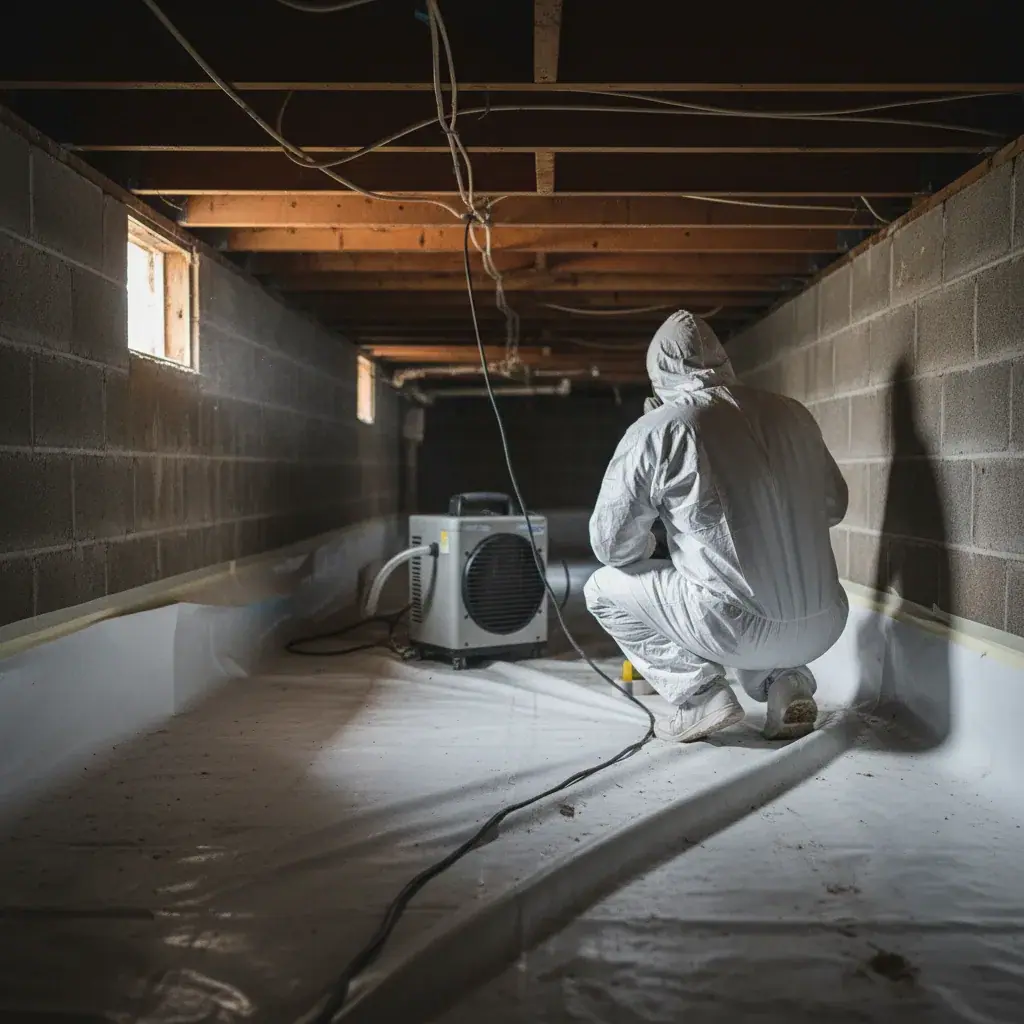
Crawl space encapsulation is the process of sealing your home’s crawl space with heavy-duty vapor barriers, rigid foam insulation, and moisture control systems to protect your home’s structural integrity and indoor air quality. In Calabasas, CA, where coastal marine layers meet inland heat and seasonal Santa Ana winds create dramatic humidity swings, an unprotected crawl space is a liability no homeowner can afford to ignore.
Best Price Insulation proudly serves Calabasas and the surrounding communities of the western San Fernando Valley and Malibu corridor. Our team understands the specific soil conditions, microclimates, and building styles found throughout the 91302 and 91372 zip codes. Whether your home sits in the oak-lined estates of North Ranch, the hillside developments off Las Virgenes Road, or the canyon communities bordering Topanga State Park, we deliver professional crawl space encapsulation solutions designed to last. Call us today at (818) 696-4154 for a free assessment.
Understanding Crawl Space Encapsulation
Crawl space encapsulation is a building science practice rooted in moisture management. Unlike a simple vapor barrier that lies loosely on the ground beneath your home, full encapsulation involves sealing every surface of the crawl space — the ground, walls, and sometimes the ceiling — with a continuous, puncture-resistant polyethylene membrane, typically rated between 10 and 20 mils in thickness. The goal is to transform a naturally damp, semi-open void beneath your home into a clean, controlled environment.
The concept evolved significantly during the late 20th century as building scientists began documenting how moisture migrating from soil and unconditioned air below homes caused wood rot, mold growth, pest infestations, and elevated energy costs. The Advanced Energy Corporation’s 2005 crawl space study became a landmark reference, demonstrating that encapsulated and conditioned crawl spaces outperformed vented crawl spaces on nearly every measurable metric. California’s building codes have increasingly reflected this science, with Title 24 requirements pushing toward better moisture management in residential construction.
Read moreShow less
In Calabasas specifically, the housing stock spans several distinct eras. Many homes were built during the rapid suburban expansion of the 1970s and 1980s along the Ventura Freeway corridor — a period when crawl space ventilation was the standard approach and vapor barriers were minimal or entirely absent. Custom estate homes built in the 1990s and 2000s in gated communities like The Oaks at Calabasas and The Estates often feature larger footprints with expansive crawl space volumes that present even greater moisture management challenges. Newer construction in the 2010s and beyond tends to incorporate better standards, but retrofit encapsulation remains essential for the large percentage of older homes throughout the area.
Encapsulation also pairs naturally with crawl space insulation, creating a comprehensive thermal and moisture barrier that reduces energy consumption year-round. When properly installed, an encapsulated crawl space can reduce moisture levels from above 70% relative humidity — the threshold at which mold proliferates — to a stable 40–55% range.
Why Crawl Space Encapsulation Is Needed in Calabasas, CA
The Calabasas Microclimate and Marine Layer Influence
Situated at the western edge of the San Fernando Valley approximately 6 miles from the Pacific Ocean as the crow flies through the Malibu Canyon corridor, Calabasas is directly in the path of marine layer intrusion. The low coastal clouds that roll in from the Pacific — especially during the June Gloom season from May through July — deposit measurable moisture into soils and building envelope cavities. Ground-level relative humidity in Calabasas regularly exceeds 75% during overnight marine layer episodes, which are most intense along the Las Virgenes Road and Mulholland Highway corridors that channel cool, moist air from the mountains toward the valley floor.
Calabasas Creek and Local Watershed Hydrology
Calabasas Creek, which runs through the heart of the community and feeds into Malibu Creek, creates a natural groundwater zone that affects soil moisture across adjacent residential tracts. Homes within approximately a quarter mile of the creek drainage, including many properties in Old Calabasas and along Calabasas Road near the historic Leonis Adobe, experience elevated subsurface moisture throughout the year. After significant rain events — such as the atmospheric river storms of January 2023 that delivered over 6 inches of rain to the Calabasas area in under 72 hours — shallow water tables in these zones can rise within 18 to 24 inches of the surface, directly threatening crawl space floors.
Santa Ana Wind Cycles and Humidity Extremes
The Santa Ana wind events that affect Calabasas each fall and winter — sometimes dropping outdoor relative humidity below 10% for 48 to 72-hour stretches — do not eliminate crawl space moisture risk. In fact, the rapid cycling between extreme dryness and subsequent marine moisture rebound causes repeated expansion and contraction of soil and wood structural members, accelerating the conditions that make encapsulation necessary. The Woolsey Fire of November 2018, which burned over 96,000 acres across portions of Calabasas, Agoura Hills, and Malibu, also prompted a significant wave of residential reconstruction — and many rebuilt homes now require encapsulation retrofits as settlement and soil disturbance from the recovery process have altered drainage patterns in neighborhoods like Mulholland Estates and the Calabasas Park Estates area.
Expansive Soils in the Santa Monica Mountains Foothills
The geological formations underlying much of Calabasas, particularly the Modelo Formation shales and the Topanga Canyon sandstones common in the foothill areas, produce clay-heavy soils with moderate to high expansion indices. Los Angeles County soil reports for the 91302 zip code consistently identify plasticity indices above 20 in hillside areas, meaning soils expand measurably when wet and shrink when dry. This movement creates micro-gaps around foundation perimeters where groundwater can infiltrate crawl spaces even in homes with otherwise intact vapor barriers.
Free, no-obligation estimates
Talk to Best Price Insulation
Tell us what you need and we’ll take it from there.
Signs You Need Crawl Space Encapsulation in Calabasas
Moisture and Water Indicators
- Standing water or mud visible in your crawl space after rain events or marine layer nights
- Condensation on pipes, ductwork, or the underside of your floor joists
- White efflorescence (mineral deposits) on concrete foundation walls
- Existing vapor barrier that is torn, bunched, or covered with debris
Structural and Biological Warning Signs
- Soft spots or springiness when walking across hardwood or tile floors
- Visible mold growth — black, green, or white fuzzy patches — on wood framing
- Musty or earthy odors rising from floor vents, particularly during morning marine layer hours
- Evidence of wood rot or dark staining on floor joists, sill plates, or subfloor sheathing
Indoor Air Quality and Energy Symptoms
- Allergy symptoms or respiratory irritation that worsen indoors
- Unexplained increases in heating and cooling costs during Calabasas’s summer heat spikes
- Pest activity including termites, rodents, or silverfish entering through crawl space vents
Urgency Note: If you observe standing water, active mold larger than a few square feet, or significant wood rot, treat this as an urgent situation. Mold colonization in a Calabasas crawl space can spread to living areas within weeks during warm, humid periods.
Our process
Our Crawl Space Encapsulation Process in Calabasas
- 01
Free Inspection and Moisture Assessment (Day 1 — 1 to 2 Hours)
Our technician enters the crawl space with a calibrated moisture meter and thermal imaging camera to document current conditions. We measure relative humidity, identify moisture sources, assess existing vapor barriers, inspect wood framing for rot, and check f
- 02
Debris Removal and Old Vapor Barrier Extraction (Day 1 or 2 — 2 to 4 Hours)
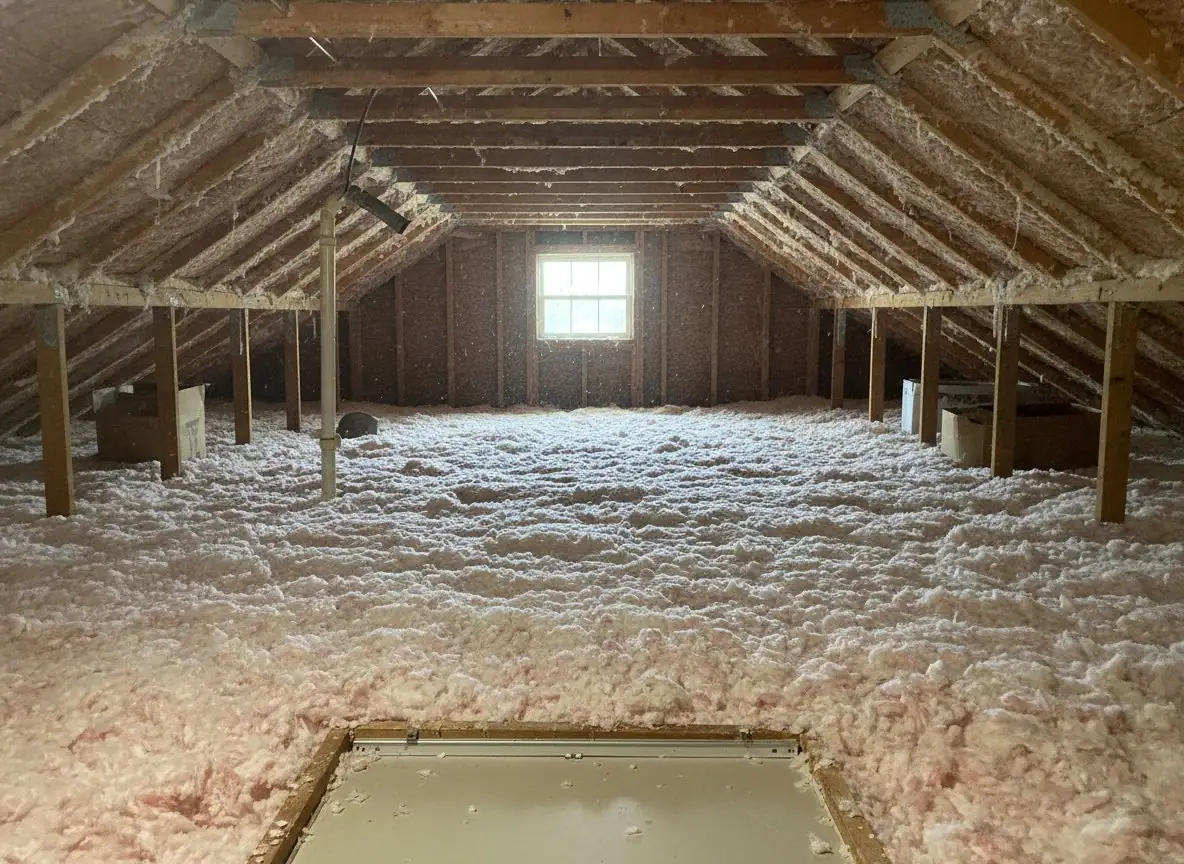
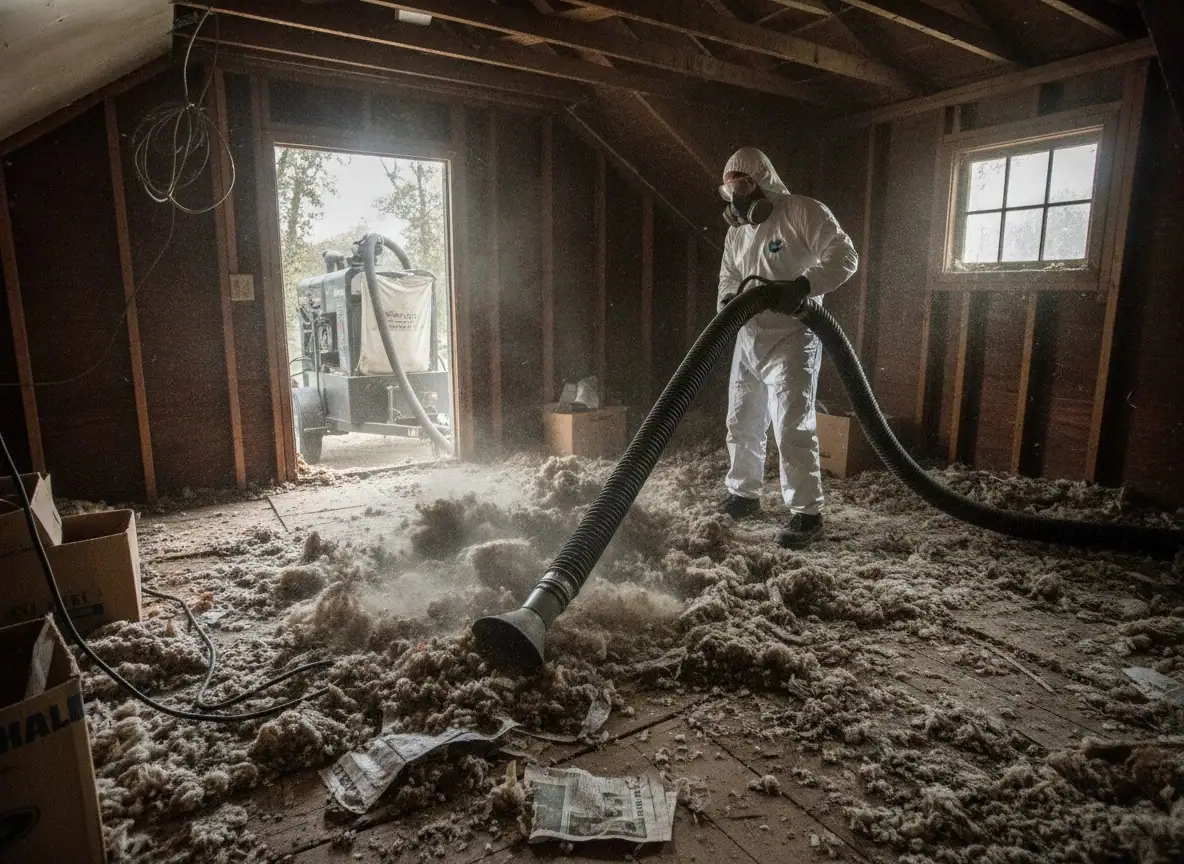
We remove all debris, old insulation batts, deteriorated vapor barriers, and any standing water. In Calabasas crawl spaces, we frequently encounter torn fiberglass batt insulation that has fallen from between floor joists due to moisture — all of this is haule
- 03
Mold Remediation if Required (Day 2 — Variable)
If mold is present, we address it before encapsulation using EPA-registered antimicrobial treatments. Skipping this step in a Calabasas crawl space would trap active mold colonies beneath the new vapor barrier, allowing them to continue degrading wood even wit
- 04
Drainage and Ventilation Adjustments (Day 2 — 1 to 3 Hours)
Existing passive foundation vents are assessed. For fully encapsulated crawl spaces, vents are sealed or replaced with controlled mechanical ventilation appropriate to California Building Code requirements. In creek-adjacent Calabasas properties, we may recomm
- 05
Vapor Barrier Installation (Day 2 to 3 — 3 to 6 Hours)
We install a 12 to 20-mil reinforced polyethylene vapor barrier across all ground surfaces, lapping it up crawl space walls a minimum of 6 inches and sealing it to the foundation with spray adhesive and waterproof tape. All seams overlap by at least 12 inches
- 06
Wall Insulation and Sealing (Day 3 — 2 to 4 Hours)
Closed-cell spray foam insulation or rigid foam board is applied to crawl space walls to the top of the foundation. This step is particularly critical in Calabasas hillside properties where foundation walls are exposed to both soil moisture and temperature var
- 07
Final Inspection and Documentation (Day 3 — 1 Hour)
We conduct a post-installation moisture reading, photograph the completed work, and provide you with a written record of all materials installed — important for resale disclosures required under California law.
Crawl Space Encapsulation Methods and Approaches
Full Perimeter Wall and Floor Encapsulation
The most comprehensive method, this approach seals the crawl space floor and all foundation walls with a continuous vapor barrier, then insulates the walls with closed-cell spray foam or rigid foam board. This is the preferred approach for the majority of Calabasas homes, especially those in hillside settings or near the Calabasas Creek drainage area. It transforms the crawl space into a semi-conditioned space, dramatically reducing moisture intrusion and energy loss.
Ground-Only Vapor Barrier Installation
A more economical option appropriate for crawl spaces with minimal moisture issues and intact foundation wall conditions. A 10 to 12-mil polyethylene sheet is installed over the ground only. This is sometimes recommended for newer Calabasas construction with already-sealed foundation walls but limited budget for full encapsulation.
Encapsulation with Mechanical Dehumidification
For Calabasas properties with persistent high humidity — particularly those in low-lying areas near the creek or properties with limited natural air movement — we install a crawl space-rated dehumidifier alongside the vapor barrier system. These units maintain crawl space humidity below 55% automatically, providing year-round protection through both marine layer seasons and post-rain recovery periods.
Encapsulation with Interior Drainage System
In cases where hydrostatic pressure pushes water through foundation walls — more common in Calabasas after major rain events — we install a perimeter drainage channel beneath the vapor barrier that routes water to a sump pump. This was particularly relevant for homes in low-elevation Calabasas neighborhoods after the significant 2023 atmospheric river events.
Spray Foam Crawl Space Insulation Integration
Combining full encapsulation with spray foam insulation applied to the underside of the floor above provides both moisture control and thermal performance, reducing HVAC loads during Calabasas summers when temperatures can reach 95°F to 105°F in inland-facing neighborhoods.
Crawl Space Encapsulation Cost in Calabasas, CA
Understanding crawl space encapsulation cost in Calabasas requires accounting for several variables specific to this market. Below are typical price ranges based on project scope:
- Basic ground-only vapor barrier (10 to 12-mil): $1,500 – $3,500 for a typical 1,000 to 1,500 sq. ft. crawl space
- Full perimeter encapsulation (wall and floor, 12 to 20-mil): $4,000 – $8,500 depending on crawl space size and accessibility
- Full encapsulation with spray foam wall insulation: $6,500 – $12,000 for average Calabasas homes
- Encapsulation with dehumidifier system: Add $1,200 – $2,500 to any of the above
- Encapsulation with interior drainage and sump pump: Add $2,500 – $5,000 for creek-adjacent or low-elevation properties
Read moreShow less
Factors That Affect Your Calabasas Project Cost
- Crawl space height: Many Calabasas hillside homes have crawl spaces under 24 inches in height, increasing labor time and cost
- Existing mold or rot remediation: Required pre-encapsulation in a significant percentage of older Calabasas properties
- Debris and old insulation removal: Insulation removal costs typically range $500 – $1,500 depending on volume
- Access points: Limited or single-entry crawl spaces increase labor costs
- Vapor barrier thickness: 20-mil products cost approximately 30% more than 10-mil but offer significantly greater durability in high-moisture Calabasas conditions
Best Price Insulation provides free, detailed estimates for all Calabasas crawl space encapsulation projects. Call (818) 696-4154 to schedule your no-obligation assessment.
Crawl Space Encapsulation in Calabasas Neighborhoods
The Oaks at Calabasas and Park Calabasas
These gated communities feature custom homes predominantly built between 1995 and 2010, many with large footprint crawl spaces exceeding 2,000 square feet beneath them. Estate-scale homes in this area often have multiple crawl space access zones and HVAC ductwork runs that are vulnerable to moisture degradation. Full encapsulation with spray foam wall insulation is the recommended standard for these properties.
Old Calabasas and Calabasas Road Corridor
The older residential areas surrounding the historic Leonis Adobe date to the 1960s and 1970s. These homes frequently have original, minimal vapor barriers that have long since deteriorated. Proximity to Calabasas Creek and older, shallower foundation designs make these properties among the highest-priority candidates for full encapsulation in the city.
Mulholland Estates and Las Virgenes Canyon Properties
Hillside and canyon-adjacent homes along Mulholland Highway and Las Virgenes Road face dual challenges: expansive clay soils that shift seasonally and direct exposure to marine layer moisture channeled through canyon topography. These properties benefit most from encapsulation combined with dehumidification systems and closed-cell spray foam insulation on crawl space walls.
Crawl Space Maintenance Tips for Calabasas Homeowners
- Inspect annually after rainy season: Schedule a crawl space inspection each April, after Calabasas’s peak rainfall window of December through March, to check for water intrusion or vapor barrier damage.
- Clear foundation vents of debris: Oak leaves and chaparral debris common in Calabasas can clog vents; clear them each fall before rain season begins.
- Check dehumidifier drainage monthly: If your encapsulated crawl space includes a dehumidifier, verify that the condensate drain line is clear and flowing properly.
- Maintain proper grading around the foundation: Ensure soil slopes away from your home’s foundation at a rate of at least 6 inches over 10 feet — particularly important after seismic activity or heavy rains disturb Calabasas hillside soils.
- Monitor indoor humidity: Use a hygrometer indoors; readings consistently above 55% suggest your crawl space moisture control may need attention.
- Address roof and gutter issues promptly: Downspouts discharging near the foundation are a primary moisture source for Calabasas crawl spaces — extend them at least 6 feet from the foundation.
- Inspect the vapor barrier seams every two to three years: Seismic activity common to the greater Los Angeles area can occasionally displace vapor barrier seams; periodic re-inspection ensures continued protection.
Why Choose Best Price Insulation for Crawl Space Encapsulation in Calabasas
Best Price Insulation is a locally operated insulation and encapsulation contractor serving Calabasas and the surrounding communities of the western San Fernando Valley and Malibu corridor. Our team works in Calabasas regularly and understands the specific conditions — the marine layer humidity, the expansive foothill soils, the creek drainage patterns, and the varied housing stock from 1970s tract homes to modern custom estates — that affect every crawl space encapsulation project in this community.
We offer a full suite of related services including attic insulation, spray foam insulation, blow-in insulation, and insulation removal and replacement, allowing us to address your entire home’s building envelope in a coordinated way. Our pricing is transparent and competitive, and we provide detailed written estimates before any work begins.
From Hidden Hills to Malibu, from Woodland Hills to Topanga, our service area covers every community where Calabasas homeowners’ neighbors also live. Call (818) 696-4154 to speak with a local specialist today.
FAQ
Frequently Asked Questions: Crawl Space Encapsulation in Calabasas, CA
How much does crawl space encapsulation cost in Calabasas, CA?
Costs in Calabasas typically range from $1,500 for a basic ground-only vapor barrier to $12,000 or more for a full encapsulation system with spray foam wall insulation and a mechanical dehumidifier. The most common full encapsulation project for a standard Calabasas single-family home (1,200 to 1,800 sq. ft. crawl space) falls between $4,500 and $8,000. Factors like crawl space height, existing mold, and access difficulty affect final pricing. We provide free estimates at (818) 696-4154.
How long does crawl space encapsulation take in Calabasas?
Most residential crawl space encapsulation projects in Calabasas are completed within 1 to 3 days. Smaller homes with accessible crawl spaces may be finished in a single day. Larger estates with low-clearance crawl spaces, mold remediation needs, or drainage system installation can take 3 to 4 days.
Does Calabasas’s climate make crawl space encapsulation more important than in other areas?
Yes. Calabasas’s location at the intersection of the Pacific marine layer corridor and the San Fernando Valley creates seasonal humidity swings that directly affect crawl spaces. The marine layer regularly drives nighttime humidity above 75% from May through September, creating ideal conditions for mold and wood rot in unprotected crawl spaces. This is more pronounced in Calabasas than in more inland communities like Woodland Hills or Granada Hills.
Will crawl space encapsulation help with my energy bills in Calabasas?
Yes, especially when combined with crawl space wall insulation. Encapsulation reduces the volume of moist, unconditioned air that your HVAC system must condition. Calabasas homes with vented, uninsulated crawl spaces can lose 15% to 25% of their heating and cooling efficiency through the floor system. When combined with crawl space insulation, many homeowners report noticeable reductions in utility bills within the first full seasonal cycle.
Is crawl space encapsulation required by California building code?
California’s Title 24 energy code and local building codes increasingly favor or require encapsulated crawl spaces for new construction. For existing homes in Calabasas, encapsulation is not universally mandated, but it is strongly recommended and may be required during significant renovation or addition projects subject to permit review.
What vapor barrier thickness is recommended for Calabasas crawl spaces?
We recommend a minimum of 12-mil polyethylene for Calabasas properties, and 20-mil for homes near Calabasas Creek, on hillside lots with expansive soils, or in areas prone to standing water after heavy rain. Thicker barriers resist puncture from rocks and debris during installation and offer greater longevity — typically 20 or more years — in Calabasas’s variable moisture environment.
Can I encapsulate my crawl space myself?
DIY vapor barrier installation is possible for very simple, dry, accessible crawl spaces, but it carries real risks in Calabasas conditions. Improperly sealed seams, missed mold remediation, incorrect vent sealing, and inadequate coverage at wall-floor junctions are common DIY mistakes that can trap moisture and accelerate wood decay. Professional installation ensures code compliance and a complete, durable result.
Do you serve areas near Calabasas for crawl space encapsulation?
Yes. Best Price Insulation serves Calabasas and all surrounding communities including Agoura Hills, Westlake Village, Hidden Hills, Malibu, Topanga, Woodland Hills, West Hills, Monte Nido, Thousand Oaks, Moorpark, Simi Valley, Pacific Palisades, Santa Monica, Beverly Hills, San Fernando, West Hollywood, Granada Hills, North Ranch, and Culver City.
Get Your Free Crawl Space Encapsulation Estimate in Calabasas Today
Don’t let Calabasas’s unique marine layer humidity, creek drainage moisture, and expansive soils silently damage your home’s structure and indoor air quality. Best Price Insulation’s experienced team is ready to inspect your crawl space, assess your specific conditions, and provide a transparent, detailed encapsulation proposal at no cost to you.
Whether you’re in The Oaks, Old Calabasas, Mulholland Estates, or anywhere throughout the 91302 and 91372 zip codes, we’re your local crawl space encapsulation specialists.
Call us now at (818) 696-4154 to schedule your free inspection. Protect your home from the ground up — starting today.
Get in touch
Find insulation help near you
Request a free estimate online or give us a call — our team will follow up quickly.
- Call us(818) 696-4154
- Visit26635 W Agoura Rd, Calabasas, CA 91302
- HoursMon-Sun 07:00-19:00