
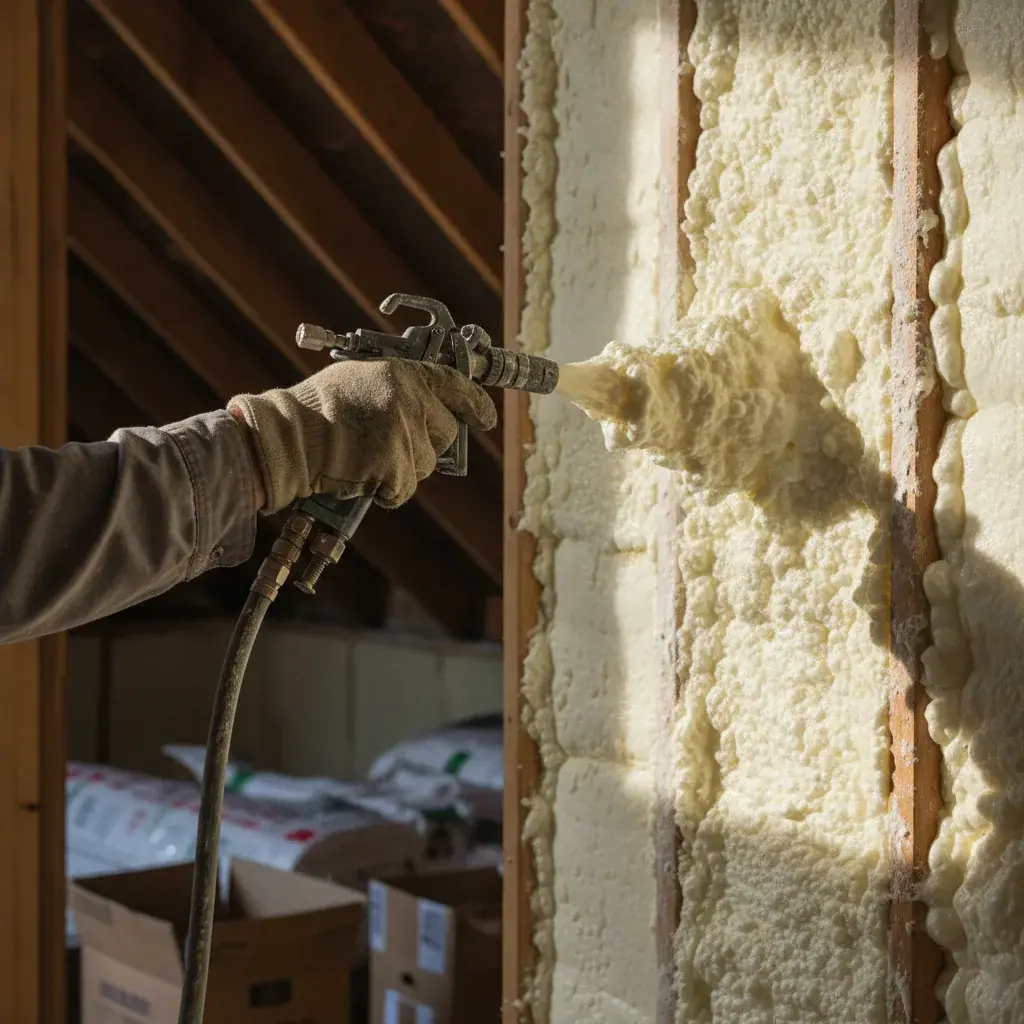
Mineral Wool Insulation in Calabasas, CA
Energy-Saving Mineral Wool Insulation for Calabasas, CA Homes — Licensed & Insured
Get expert mineral wool insulation in Calabasas, CA. Fire-resistant, acoustic, and energy-efficient solutions. Free estimates. Call (818) 696-4154 today.
Mineral wool insulation — also known as rock wool or stone wool — is a high-performance insulation material manufactured from volcanic basalt rock and recycled slag, spun into dense fibrous batts or boards that resist heat, fire, sound, and moisture. For homeowners and commercial property owners in Calabasas, CA, mineral wool offers a uniquely compelling set of advantages that go beyond what standard fiberglass batts can provide.
Calabasas sits at the edge of the Santa Monica Mountains in the western San Fernando Valley, where hot, dry summers, coastal fog intrusion from the Pacific, and the ever-present threat of wildfire create a demanding thermal and environmental envelope for any building. Mineral wool’s inherent fire resistance — it does not ignite until temperatures exceed 1,800°F — makes it particularly well-suited to this fire-prone region.
Read moreShow less
At Best Price Insulation, our team brings deep local knowledge of Calabasas’s unique microclimates, construction eras, and building code requirements. We install mineral wool solutions across residential, commercial, and mixed-use properties throughout the community. Call us today at (818) 696-4154 to schedule your free assessment.
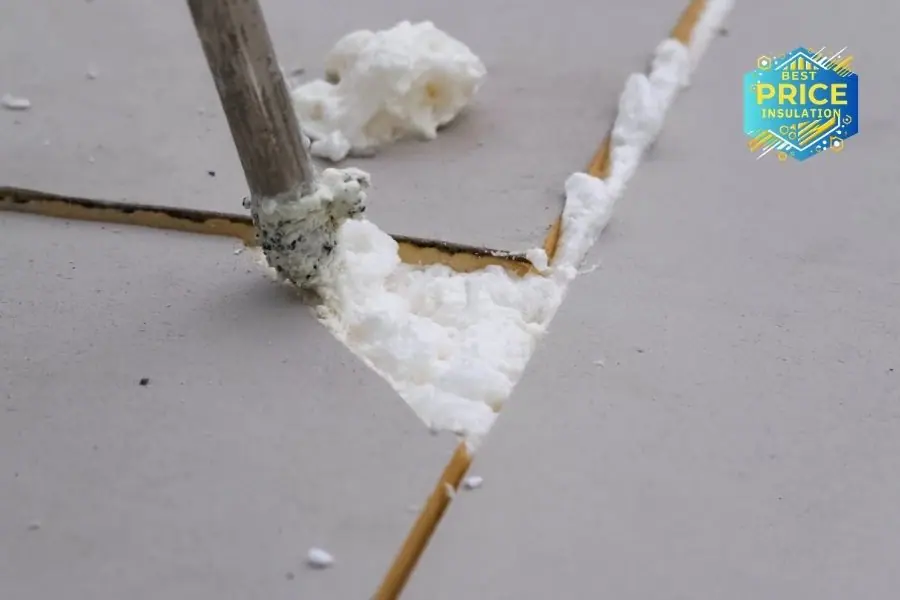
Understanding Mineral Wool Insulation
Mineral wool insulation has a longer history than many homeowners realize. Its commercial development dates to the late nineteenth century, when European manufacturers discovered that volcanic basalt and iron-ore blast-furnace slag could be melted and spun into lightweight, fire-resistant fibers. By the mid-twentieth century, mineral wool had become a standard insulation material in European construction, prized for its dual performance as both a thermal and acoustic barrier. In the United States, its adoption accelerated after the 1970s energy crisis, and it has experienced a significant resurgence since the early 2000s as stricter fire codes, particularly in California, pushed builders and renovators toward non-combustible materials.
Read moreShow less
Mineral wool is produced in several forms. Batt insulation — the most common residential format — comes in pre-cut panels sized to fit standard 16-inch and 24-inch stud and joist cavities. Rigid mineral wool boards are used in continuous insulation applications on exterior walls, under roofing assemblies, and in commercial construction. Loose-fill mineral wool can be blown into wall cavities, attic floors, and other irregular spaces where batts cannot easily be fitted.
The thermal performance of mineral wool typically ranges from R-3.0 to R-3.3 per inch, comparable to fiberglass but achieved at a higher density. That density — generally 1.7 to 2.5 pounds per cubic foot for residential batts — delivers three critical secondary benefits: superior sound attenuation (typically 45 to 52 STC in standard wall assemblies), exceptional fire resistance rated to ASTM E136 non-combustible standards, and natural water resistance, as mineral wool fibers are hydrophobic and will not absorb or wick moisture the way cellulose or low-density fiberglass can.
In Calabasas, mineral wool is increasingly specified in new construction in gated communities such as The Oaks and Hidden Hills, where high-end custom homes demand premium acoustic performance between living spaces and home theaters, and where hillside lots adjacent to open space corridors require defensible insulation assemblies that meet California’s stringent WUI (Wildland-Urban Interface) building codes.
The material is also highly relevant in the older ranch-style homes built throughout Calabasas’s flatland neighborhoods during the 1960s and 1970s, many of which have little or no insulation in their exterior walls and rely on aging fiberglass in attic cavities that has compacted well below its original R-value rating. Learn more about our insulation removal services when upgrading from older materials to modern mineral wool.
Why Mineral Wool Insulation Is Needed in Calabasas, CA
Wildfire Risk and WUI Code Requirements
Calabasas is designated a Very High Fire Hazard Severity Zone (VHFHSZ) by CAL FIRE, and significant portions of the city lie within the state-defined Wildland-Urban Interface. The November 2018 Woolsey Fire, which ignited near Highway 101 at the Ventura County border and burned across 96,949 acres, destroyed or damaged hundreds of structures in and around Calabasas, including homes in the Sycamore Canyon, Old Topanga, and Las Virgenes Road corridors. Embers carried more than a mile by the notorious Santa Ana winds ignited structures that had no direct flame contact, exploiting combustible materials in attic vents, eaves, and wall cavities. Mineral wool insulation, which is non-combustible per ASTM E136 and resists temperatures above 1,800°F, provides a meaningful layer of passive fire resistance that fiberglass and spray foam products cannot match in an attic or wall cavity where ember intrusion is a real risk.
California Title 24 building energy standards, updated in 2022, require minimum R-38 attic insulation and R-15 exterior wall insulation in Climate Zone 9 — the zone encompassing Calabasas. Mineral wool’s density allows it to meet or exceed these requirements while simultaneously satisfying WUI construction requirements under Chapter 7A of the California Building Code.
Temperature Swings and the Santa Ana Wind Effect
Calabasas experiences significant diurnal temperature variation, particularly in late summer and fall. Daytime high temperatures in August routinely reach 95°F to 105°F in the valley floor neighborhoods along Calabasas Road and El Camino Real, while overnight lows can drop to 58°F to 65°F as marine air pushes inland. When the Santa Ana winds blow from the northeast — typically between October and April — humidity drops below 10% and temperatures can spike 15°F to 20°F above normal within hours. This thermal cycling stresses building envelopes and accelerates heat gain through poorly insulated wall and attic assemblies. Mineral wool’s dimensional stability means it does not shrink, sag, or settle under these temperature swings the way fiberglass batts can over time.
Coastal Fog and Moisture Intrusion
Although Calabasas sits inland from the Pacific, it is close enough — roughly 12 miles from the Malibu coastline as the crow flies — that the June Gloom and May Gray phenomena push marine layer fog and elevated relative humidity into the canyon communities along Las Virgenes Canyon Road, Mulholland Highway, and Malibu Canyon Road. Homes at higher elevations in Monte Nido and Topanga, just east of Calabasas, frequently experience condensation within wall cavities during fog events. Mineral wool’s hydrophobic fiber structure resists moisture absorption and does not provide a growth medium for mold, unlike cellulose or low-density fiberglass that retains moisture and can harbor microbial growth.
Acoustic Demands in a Community of Custom Homes
Calabasas is home to one of the highest concentrations of high-value custom residential construction in Los Angeles County. Gated communities including The Oaks at Calabasas, The Estates at The Oaks, and Park Moderne feature homes with dedicated home theaters, recording studios, and multi-generational floor plans where sound transmission between rooms is a primary quality-of-life concern. Mineral wool batts in interior wall assemblies can achieve STC ratings of 45 to 52, dramatically outperforming hollow or fiberglass-filled walls rated at STC 33 to 39.
Free, no-obligation estimates
Talk to Best Price Insulation
Tell us what you need and we’ll take it from there.
Signs You Need Mineral Wool Insulation in Calabasas
Thermal Comfort Issues
- Rooms on the south or west side of your home feel noticeably hotter than the rest of the house during Calabasas summer afternoons, even with air conditioning running
- Your HVAC system runs continuously during heat events above 95°F without reaching the thermostat setpoint
- Touching interior wall surfaces on the west side of the house during late afternoon reveals warm drywall — a sign of minimal or absent wall insulation
- Utility bills spike sharply between July and September, often exceeding $350 to $500 per month for mid-sized homes in the 2,500 to 3,500 sq ft range
Fire Safety and Code Compliance Concerns
- Your home was built before 2010 and has not had its attic insulation upgraded since construction
- You are applying for a renovation permit and the city plan check has flagged Chapter 7A WUI compliance requirements
- Your homeowner’s insurance carrier has requested a fire-resistance documentation report as a condition of renewal
Acoustic and Moisture Problems
- You can clearly hear conversations, television audio, or plumbing noise through interior walls
- Visible condensation on interior wall surfaces or window frames during June Gloom fog events
- Musty odors in attic or crawl space areas following periods of high humidity — a potential indicator of moisture-damaged existing insulation
Urgency Indicators
Any sign of charring, ember damage, or fire department inspection findings related to attic combustibility should be treated as an immediate replacement priority. Learn more about our insulation replacement services for urgent fire-compliance situations.
Mineral Wool Insulation Methods and Approaches
Batt Insulation — Standard Residential Cavities
Pre-cut mineral wool batts (available in R-15, R-21, R-23, and R-30 values) are the primary method for insulating framed exterior walls, attic floor joists, and floor assemblies over crawl spaces. In Calabasas’s most common 2×6 exterior wall framing — standard in construction from the 1990s onward — R-23 mineral wool batts deliver full-cavity performance with no compression and no settling. Explore our attic insulation services to see how batts are applied in attic floor assemblies.
Rigid Mineral Wool Board — Continuous Insulation
For exterior continuous insulation upgrades — increasingly required under Title 24 2022 for above-grade wall assemblies in new construction and major remodels — we install rigid mineral wool boards (typically 1.5 to 3 inches thick, R-6 to R-12) over the exterior sheathing layer before cladding is applied. This method eliminates thermal bridging through studs, which can reduce effective wall R-value by 20% to 30% in standard framed assemblies.
Blow-In Loose-Fill Mineral Wool — Retrofit Wall Cavities
For Calabasas homes built in the 1960s and 1970s with uninsulated or under-insulated closed wall cavities, we drill small access holes in the exterior or interior wall surface, blow mineral wool loose-fill to full cavity density, and patch the holes. This method retrofits R-13 to R-15 into existing walls with minimal disruption. Learn more about our blow-in insulation services.
Crawl Space and Subfloor Application
Mineral wool batts are ideal for subfloor insulation in Calabasas homes with raised foundations, as the material’s moisture resistance prevents the degradation common in fiberglass batts exposed to ground moisture vapor. See our crawl space insulation services for full details on this application.
Mineral Wool Insulation Cost in Calabasas, CA
Understanding the cost of mineral wool insulation in Calabasas requires looking at several variables. Best Price Insulation provides transparent, itemized estimates so you know exactly what you are paying for before any work begins.
Typical Price Ranges
- Attic floor batt installation (existing home): $1.50 to $2.50 per square foot installed, or approximately $2,250 to $3,750 for a 1,500 sq ft attic floor
- Exterior wall batt installation (open wall — during renovation): $1.80 to $2.80 per square foot, or approximately $3,600 to $5,600 for a 2,000 sq ft home’s exterior wall area
- Blow-in retrofit wall insulation: $2.50 to $4.00 per square foot of wall area treated
- Rigid mineral wool board (continuous insulation, exterior): $3.50 to $6.00 per square foot installed, depending on board thickness and cladding coordination
- Crawl space subfloor mineral wool: $2.00 to $3.50 per square foot
Read moreShow less
Factors That Affect Mineral Wool Insulation Cost in Calabasas
- Existing insulation removal: Add $0.75 to $1.50 per square foot if old fiberglass or blown-in cellulose must be removed first
- Access difficulty: Steep-pitch roofs common in The Oaks and hillside custom homes add labor time and cost
- Permit requirements: City of Calabasas permit fees for insulation work typically range from $150 to $450 depending on project scope
- Material grade: Standard residential mineral wool batts vs. premium acoustic-rated products can differ by $0.30 to $0.60 per square foot
Calabasas-Specific Pricing Notes
Labor costs in Calabasas reflect Los Angeles County market rates, which are generally 10% to 15% higher than Inland Empire or San Fernando Valley averages. However, California utility rebates through Southern California Edison’s Energy Savings Assistance Program and the state’s TECH Clean California initiative can offset $500 to $1,500 of eligible insulation upgrade costs for qualifying homeowners.
Call (818) 696-4154 for a precise quote. For more on Mineral Wool Insulation in Calabasas cost, we are happy to walk you through a full estimate during your free assessment.
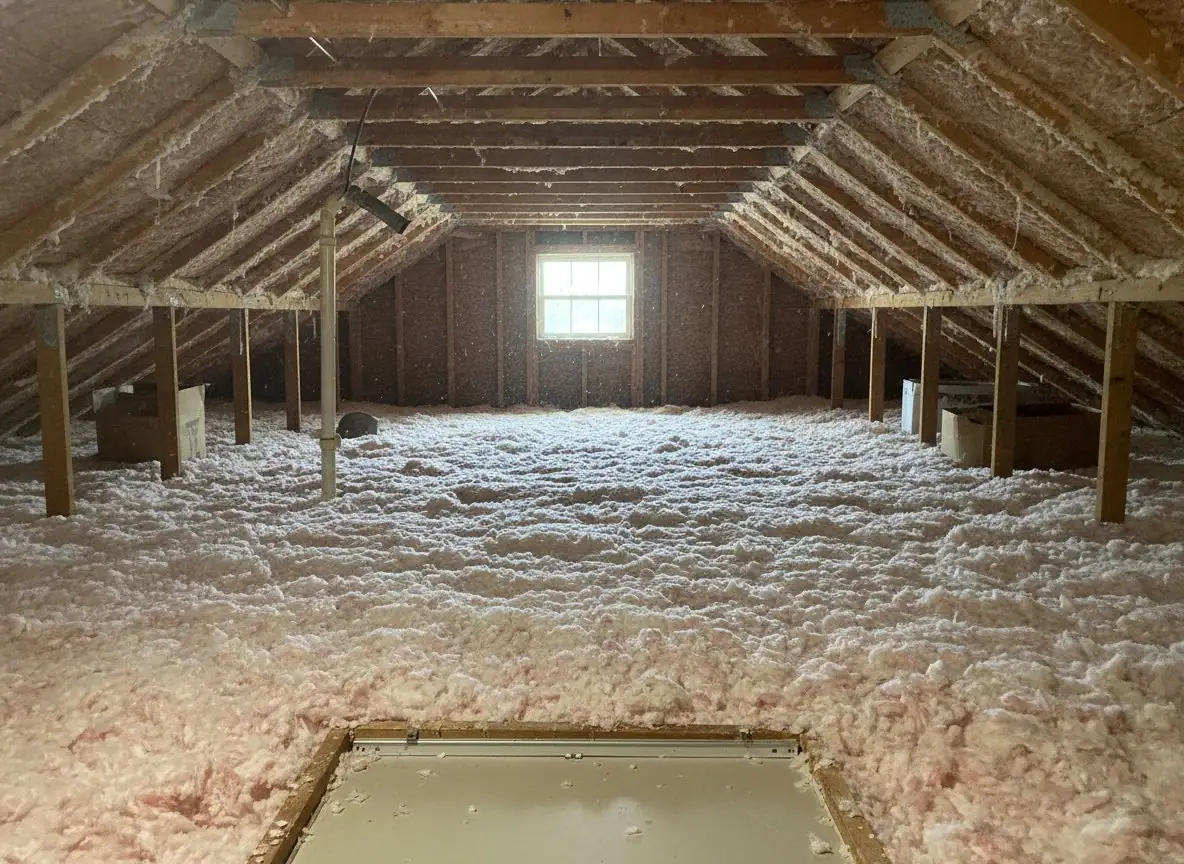
Calabasas Neighborhoods We Serve
The Oaks at Calabasas and The Estates
These gated communities feature large custom homes built primarily between 1998 and 2015, ranging from 4,000 to 12,000 square feet. Construction quality is generally high, but many homes were built with standard fiberglass batts in exterior walls. The proximity to open space preserve land along the Calabasas Highlands makes WUI-compliant, non-combustible insulation upgrades a frequent request. We regularly install mineral wool acoustic batts in interior walls for home theater and music room applications in this neighborhood.
Old Calabasas Village and Calabasas Road Corridor
The older flatland neighborhood along Calabasas Road includes ranch-style homes built between 1962 and 1985, many with 2×4 framed exterior walls containing little or no surviving insulation. Blow-in retrofit and open-wall batt installation are the primary methods used here, often combined with attic insulation upgrades to bring these homes to Title 24 compliance.
Calabasas Hills and Parkway Calabasas
Tract homes built in the late 1980s and early 1990s in these neighborhoods typically have attic fiberglass that has compacted to effective R-values below R-20 — well short of the current Title 24 minimum of R-38 for Climate Zone 9. Full attic insulation replacement with mineral wool is a common and cost-effective upgrade for these properties.
Mineral Wool Insulation Maintenance Tips for Calabasas Homeowners
- Annual attic visual inspection: Each fall, before Santa Ana wind season, inspect your attic for signs of animal intrusion, moisture staining, or displaced batts. Rodents are active in the Las Virgenes watershed corridor and can disturb insulation.
- Check attic ventilation after wind events: High-velocity Santa Ana winds can dislodge ridge vent covers or soffit vent screens, allowing debris or ember intrusion that can compress or contaminate mineral wool in attic assemblies.
- Inspect crawl space insulation annually: After periods of heavy rain — particularly El Niño wet seasons — inspect subfloor mineral wool for any displacement caused by elevated groundwater or pest activity. Consider crawl space encapsulation for added moisture protection.
- Maintain a clear defensible space buffer: Keeping vegetation at least 30 feet from your home’s exterior walls reduces the radiant heat load that drives heat gain through wall insulation during fire events.
- Do not compress mineral wool during storage: If you store materials in your attic, keep items away from the insulated floor area to prevent permanent compression of batts.
- Check HVAC duct sealing: Leaky ducts running through attic spaces can deposit fine particulates on mineral wool surfaces over time — have ducts inspected and sealed every five to seven years.
- Document your insulation R-values: Keep a copy of your insulation installation receipt and any permits for future insurance documentation requests, which are increasingly common in Calabasas’s VHFHSZ zone.
Why Choose Best Price Insulation in Calabasas
Best Price Insulation specializes in serving the western Los Angeles County and Conejo Valley communities, with direct experience in the specific building stock, climate conditions, and code requirements that apply to Calabasas properties. Our teams are familiar with the City of Calabasas building department’s plan check process, WUI construction documentation requirements, and the particular challenges of working in gated communities like The Oaks and hillside properties along Mulholland Highway.
We install all major classes of insulation — including spray foam insulation, blow-in insulation, attic insulation, and crawl space insulation — which means we are never limited to recommending a single product when a different solution may serve your home better. Mineral wool is one of the most versatile and technically superior insulation materials available, and we have the installation expertise to ensure it performs at its rated values in your specific Calabasas building.
Read moreShow less
We serve all of Calabasas and the surrounding communities including Agoura Hills, Westlake Village, Hidden Hills, Malibu, Woodland Hills, West Hills, and Thousand Oaks. Call (818) 696-4154 to speak with a local insulation expert today.
FAQ
Frequently Asked Questions — Mineral Wool Insulation in Calabasas, CA
How much does mineral wool insulation cost in Calabasas?
Installed costs in Calabasas typically range from $1.50 to $2.50 per square foot for attic batt applications and $1.80 to $4.00 per square foot for wall applications depending on method and access. A full attic upgrade for a typical 1,800 sq ft Calabasas home usually falls in the $2,700 to $4,500 range, inclusive of removal of degraded existing insulation if needed. Call (818) 696-4154 for a free, site-specific quote.
Is mineral wool insulation required by code in Calabasas’s wildfire zones?
Mineral wool is not mandated by name, but California Building Code Chapter 7A requires non-combustible or ignition-resistant materials in specific locations — including attic assemblies, eave areas, and exterior wall coverings — for structures in Very High Fire Hazard Severity Zones, which includes most of Calabasas. Mineral wool meets these requirements by virtue of its ASTM E136 non-combustible classification. We can confirm exactly which assemblies require fire-rated materials for your specific parcel.
How long does a mineral wool insulation installation take in a typical Calabasas home?
An attic floor installation in a 1,500 to 2,000 sq ft Calabasas home typically takes one full day. A full-scope project including wall retrofit blow-in and attic replacement with prior insulation removal can take two to three days. We schedule work to minimize disruption and can coordinate access requirements with HOA management in gated communities like The Oaks.
Does mineral wool insulation help with the noise from nearby roads in Calabasas?
Yes. Homes near the US-101 Freeway corridor, Calabasas Road, and Las Virgenes Road experience significant traffic noise intrusion. Mineral wool batts in exterior walls and ceilings achieve STC ratings of 45 to 52 in standard assemblies — meaningfully higher than fiberglass batts at STC 33 to 39. For homes in the Parkway Calabasas neighborhood closest to the 101 interchange, wall insulation upgrades with mineral wool can produce a noticeable reduction in interior noise levels.
Can mineral wool be installed in existing walls without major demolition?
Yes. For closed wall cavities in older Calabasas homes, we use a blow-in loose-fill mineral wool technique that requires only small-diameter access holes drilled in the exterior or interior wall surface. These holes are patched and finished after installation, leaving minimal visual impact. This method is particularly common in the 1960s and 1970s ranch homes along the Old Calabasas Village corridor.
Does mineral wool insulation hold up in Calabasas’s hot summers and Santa Ana wind conditions?
Mineral wool is dimensionally stable from below freezing through temperatures exceeding 1,800°F. Unlike fiberglass, it does not expand and contract significantly with temperature cycling and does not sag or settle in wall cavities over time. This makes it well-suited to Calabasas’s demanding thermal environment, where summer attic temperatures can reach 140°F to 160°F and Santa Ana wind events create rapid temperature and humidity fluctuations.
Is mineral wool safe to handle and live around after installation?
Modern mineral wool products classified as Refractory Ceramic Fibers (RCF-free) — including the residential products we install — are made from biosoluble fibers that are not classified as carcinogenic by IARC or OSHA. After installation and encapsulation within wall or ceiling assemblies, there is no fiber exposure to occupants. During installation, our technicians wear appropriate respiratory protection. The material contains no formaldehyde binders, which is an additional health benefit compared to some fiberglass batt products.
Do you offer mineral wool insulation combined with spray foam for the best thermal and fire performance?
Yes. A common high-performance assembly for Calabasas attics involves a thin layer of closed-cell spray foam insulation at the roof deck for air sealing and vapor control, followed by mineral wool batts on the attic floor for bulk thermal resistance. This hybrid approach delivers excellent air tightness, fire resistance, and R-value performance tailored to Calabasas’s Climate Zone 9 requirements.
Get a Free Mineral Wool Insulation Estimate in Calabasas Today
Whether you are upgrading an older ranch home on Calabasas Road, retrofitting a custom estate in The Oaks for WUI compliance, or building a new home in the Calabasas Hills area, Best Price Insulation has the products, expertise, and local knowledge to deliver a mineral wool installation that performs through every Santa Ana wind event and summer heat wave.
Serving Calabasas and the surrounding communities of Agoura Hills, Westlake Village, Woodland Hills, Hidden Hills, Malibu, Thousand Oaks, West Hills, Topanga, Monte Nido, and beyond.
Call us now at (818) 696-4154 to schedule your free on-site assessment. Our team is ready to help you build a safer, quieter, and more energy-efficient home — starting today.
Get in touch
Find insulation help near you
Request a free estimate online or give us a call — our team will follow up quickly.
- Call us(818) 696-4154
- Visit26635 W Agoura Rd, Calabasas, CA 91302
- HoursMon-Sun 07:00-19:00