
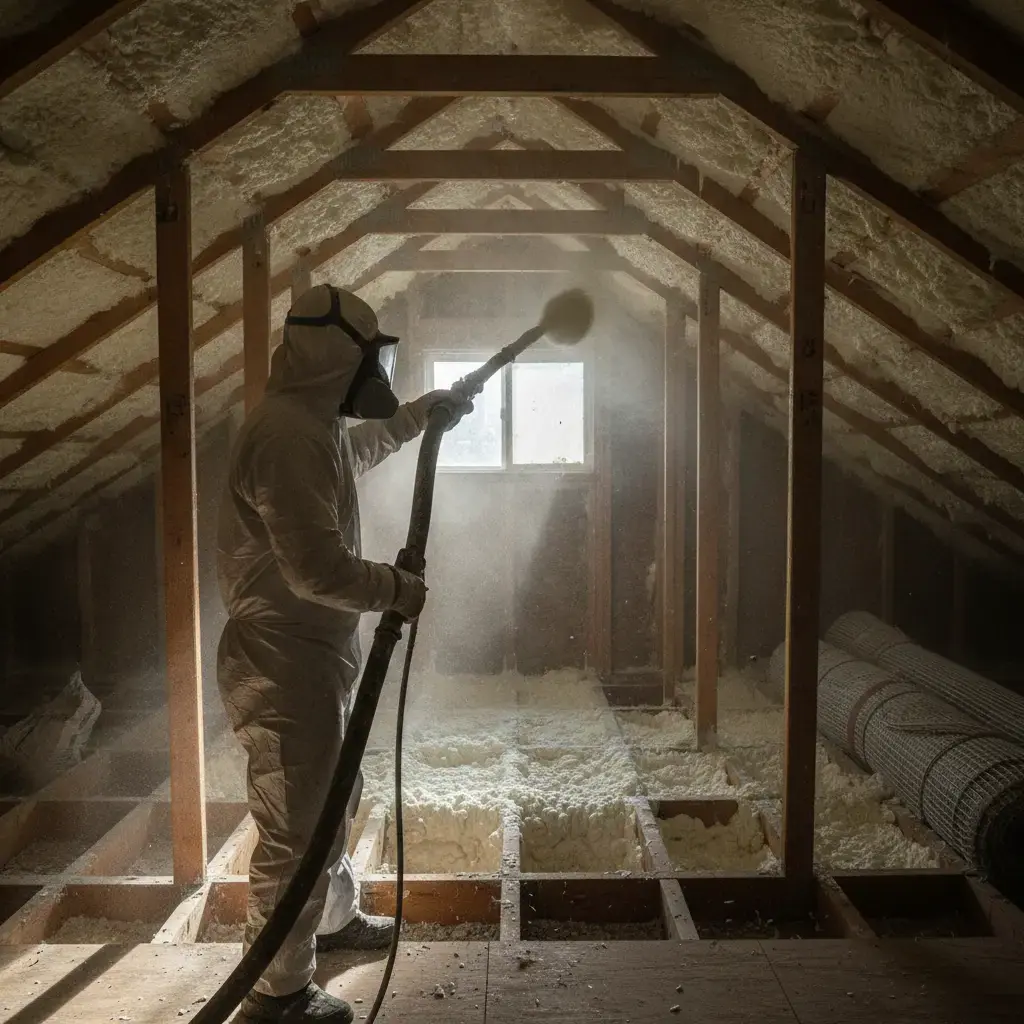
Garage Insulation in Calabasas, CA
Energy-Saving Garage Insulation for Calabasas, CA Homes — Licensed & Insured
Get expert garage insulation in Calabasas, CA. Best Price Insulation offers spray foam, blown-in & batt solutions. Free quotes. Call (818) 696-4154 today.
Garage insulation is the process of installing thermal and moisture barriers within your garage walls, ceiling, and doors to regulate temperature, reduce energy loss, and protect the interior from the extreme climate swings common throughout Calabasas. Whether your garage is attached, detached, or converted into a living space, proper insulation creates a controlled environment that keeps your home comfortable year-round.
Calabasas sits in a transitional zone between the San Fernando Valley and the Santa Monica Mountains, where summer temperatures routinely climb past 100°F and coastal fog from nearby Malibu drives unexpected humidity inland. These local conditions make garage insulation not a luxury but a practical necessity for homeowners throughout the area.
Read moreShow less
At Best Price Insulation, we specialize in garage insulation solutions tailored specifically to the building styles, climate challenges, and energy codes of Calabasas. Our team delivers expert installation across every neighborhood, from the guard-gated estates of The Oaks to the hillside communities of Monte Nido. Call us today at (818) 696-4154 to schedule your free assessment.
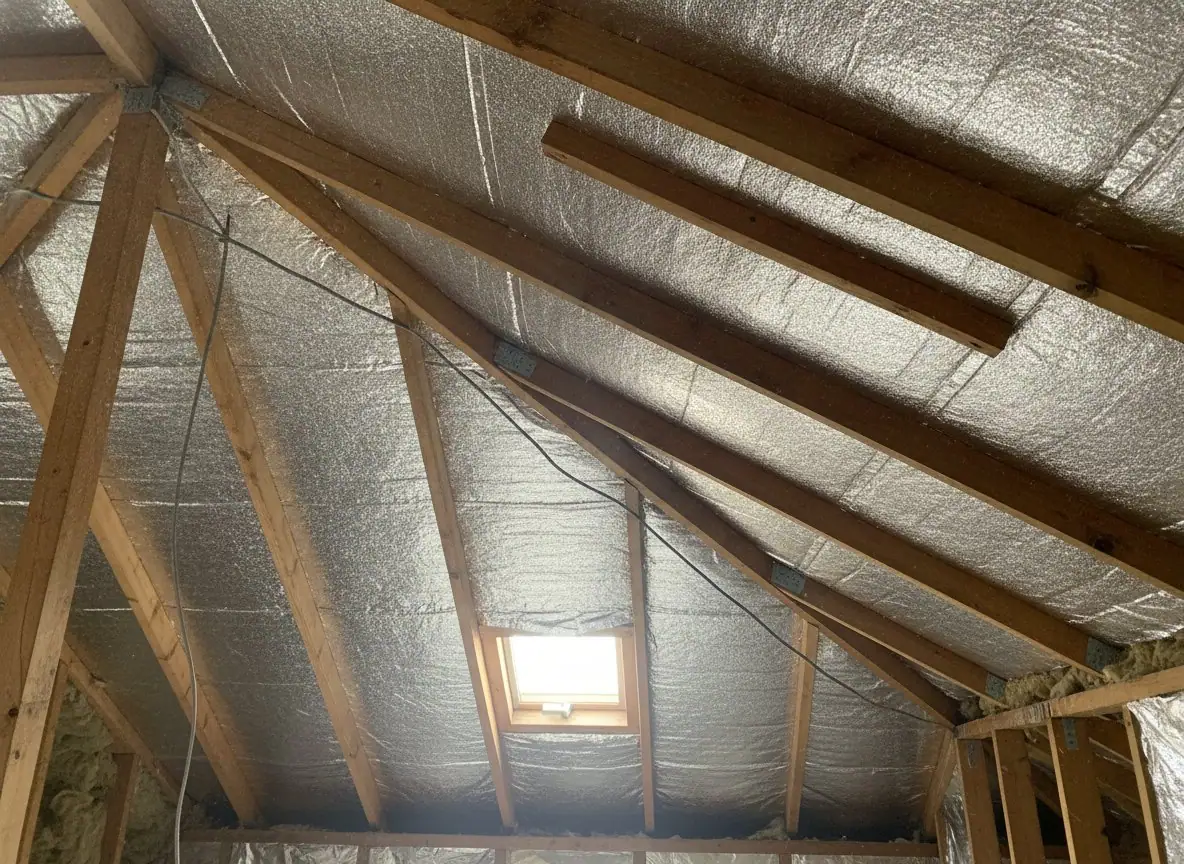
Understanding Garage Insulation in Calabasas
Garage insulation encompasses a range of materials and techniques designed to minimize thermal transfer through the walls, ceiling, door panels, and floor of a garage structure. At its core, insulation works by trapping air within a dense or foam-based medium, slowing the movement of heat from warmer to cooler spaces. The effectiveness of any insulation product is measured by its R-value — the higher the number, the greater the resistance to heat flow.
In California, Title 24 energy standards govern minimum insulation requirements for new construction and significant remodels. For garages attached to living spaces in Climate Zone 9, which covers Calabasas and much of the western San Fernando Valley, the California Energy Commission recommends wall insulation of at least R-13 and ceiling insulation of R-30 or higher. These benchmarks exist because an uninsulated or under-insulated garage can account for up to 20 percent of a home’s total energy loss.
Read moreShow less
Calabasas was largely developed between the 1970s and the 1990s, with significant construction booms following the opening of the 101 Freeway corridor through the Conejo Valley. Many of the tract homes, custom estates, and townhomes built during this era feature two- and three-car garages that were constructed under older energy codes with minimal wall insulation and single-layer steel garage doors. Decades later, these structures are major thermal liabilities.
Modern garage insulation services address every component of the space. Wall cavities can be filled with fiberglass batts, blown-in cellulose, or spray foam. Ceilings above garages — particularly when a bedroom or bonus room sits directly above — require dense-pack solutions to prevent temperature and sound transfer. Garage doors themselves benefit from rigid foam board panels or reflective insulation systems that cut radiant heat gain during Calabasas’s long, sun-drenched summers.
Beyond energy savings, garage insulation in Calabasas protects stored vehicles, tools, temperature-sensitive electronics, and wine collections from the dramatic temperature swings that can push an uninsulated garage from 110°F on a July afternoon to 45°F on a January night.
Why Garage Insulation Is Needed in Calabasas, CA
Extreme Diurnal Temperature Swings
Unlike coastal communities such as Santa Monica where the Pacific Ocean moderates temperatures, Calabasas experiences what climatologists call a strong diurnal temperature range — the difference between daily high and daily low temperatures. In summer months, Calabasas regularly records high temperatures between 95°F and 108°F in the afternoon, while nighttime lows can drop to the low 60s. This swing of 35 to 45 degrees Fahrenheit within a single 24-hour period causes building materials to expand and contract repeatedly, degrading uninsulated wall cavities and accelerating weatherstripping failures on garage doors.
Santa Ana Wind Events
Calabasas lies directly in the path of Santa Ana wind corridors that funnel hot, dry air through Malibu Creek Canyon and over the Santa Monica Mountains. During significant wind events — such as the Woolsey Fire of November 2018, which ignited under Santa Ana conditions with gusts exceeding 70 mph just miles from Calabasas neighborhoods including Long Valley Road and Mulholland Highway — the combination of extreme heat and low humidity (often below 10 percent relative humidity) can push an uninsulated garage interior above 120°F. These thermal spikes damage stored goods, degrade rubber seals on vehicles, and overheat electronics.
Marine Layer Humidity Intrusion
Despite its inland location, Calabasas receives regular overnight marine layer intrusion from the Pacific Ocean via Malibu Creek and Las Virgenes Canyon. This coastal fog elevates relative humidity levels in the area to between 70 and 90 percent during early morning hours from June through August — a phenomenon locals call June Gloom that extends well into the summer. In garages without vapor barriers and proper insulation, this humidity promotes mold growth on stored items, rust on tools and vehicles, and moisture damage to drywall and wood framing.
Wildfire Smoke and Air Quality Events
Following the Woolsey Fire, the Las Virgenes Municipal Water District and Los Angeles County issued air quality advisories affecting all of Calabasas. Properly insulated and air-sealed garages provide a meaningful barrier against particulate infiltration from wildfire smoke, protecting both the garage interior and the adjacent living space from hazardous air quality events that have become increasingly common in this region.
Energy Costs in Los Angeles County
Southern California Edison rates in the Calabasas service area have increased significantly, with tiered residential rates in 2024 reaching over $0.45 per kilowatt-hour at upper tiers during summer peak periods. An uninsulated two-car garage can add $80 to $150 per month to summer cooling bills when it shares a wall with a conditioned living space. Garage insulation in Calabasas typically delivers a return on investment within three to five years through energy savings alone.
Free, no-obligation estimates
Talk to Best Price Insulation
Tell us what you need and we’ll take it from there.
Signs You Need Garage Insulation in Calabasas
Temperature and Comfort Indicators
- Your attached garage feels noticeably hotter than the outside ambient temperature on summer afternoons, often exceeding 110°F near shared walls
- Rooms directly above the garage are consistently warmer in summer and colder in winter than the rest of the home
- Your HVAC system runs excessively to maintain comfortable temperatures in rooms adjacent to the garage
- You can feel radiant heat through the interior wall separating the garage from your living space
Moisture and Air Quality Indicators
- Visible condensation or water stains appear on interior garage walls or ceiling during marine layer mornings
- A musty odor is present in the garage after overnight humidity events
- Rust is forming prematurely on tools, bicycles, or vehicle components stored in the garage
- Wildfire smoke smell penetrates into the garage and adjacent living areas during regional air quality events
Energy and Cost Indicators
- Your Southern California Edison bills spike dramatically each July and August compared to neighboring homes
- Your home was built before 1995 and the garage walls have never been insulated or upgraded
- The garage door has no insulation panels and is a single-layer steel design typical of Calabasas tract homes from the 1980s
Garage Insulation Methods and Approaches
Fiberglass Batt Insulation
Fiberglass batts are the most widely used insulation method for open-stud garage walls. Pre-cut panels fit between standard 16-inch and 24-inch stud bays and deliver R-13 to R-21 performance depending on wall thickness. This method is ideal for newer Calabasas homes with intact drywall that has been temporarily removed or for new garage additions where walls are open during construction. Batts are cost-effective and widely compliant with California building codes.
Learn moreBlown-In Insulation
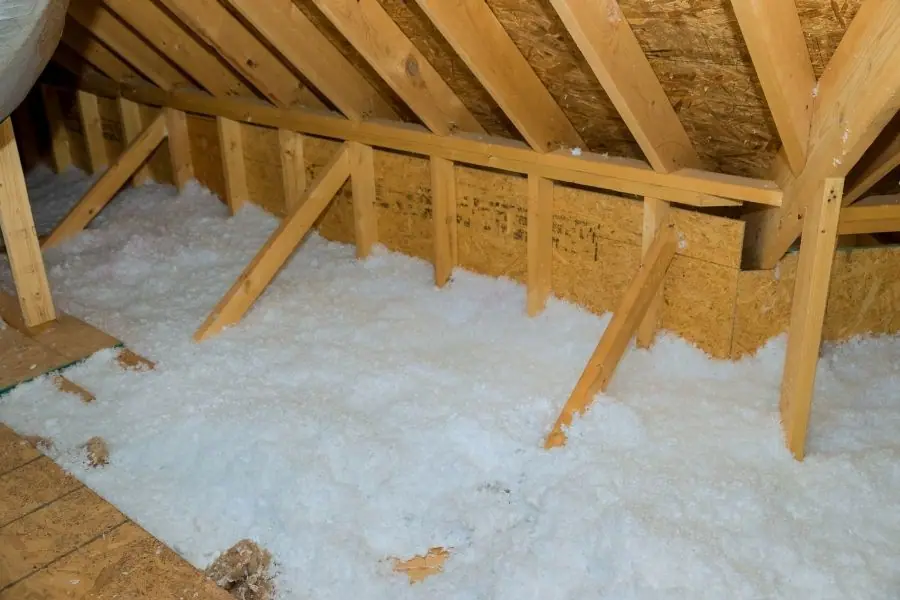
Also called blow-in or loose-fill insulation, this method uses cellulose or fiberglass fiber blown into enclosed wall cavities through small drilled access holes. It is the preferred solution for Calabasas homes where garage walls are already drywalled and removing the finish surface is impractical. Blown-in insulation conforms to irregular cavities around wiring and blocking, achieving consistent R-values even in difficult-to-reach areas. Learn more about our blown-in insulation services
Spray Foam Insulation
Closed-cell spray polyurethane foam delivers the highest R-value per inch (R-6 to R-7 per inch) and simultaneously acts as a vapor barrier and air sealant. This method is particularly effective for Calabasas garage ceilings shared with living spaces above, garage walls in hillside homes exposed to outdoor humidity, and detached garages near Malibu Creek where moisture infiltration is a persistent concern. Explore our spray foam insulation options
Learn moreRigid Foam Board for Garage Doors
Polystyrene or polyisocyanurate rigid foam panels are cut and adhered to the interior panels of steel garage doors, typically achieving R-8 to R-12 improvement. This method directly addresses one of the largest thermal weak points in Calabasas garages — the uninsulated single-layer steel door that absorbs intense afternoon solar radiation from the west-facing orientations common in the area’s planned communities.
Combination Systems
For maximum performance against Calabasas’s climate extremes, we frequently combine spray foam air sealing at penetrations with blown-in or batt insulation in wall cavities and rigid foam panels on the garage door, delivering a comprehensive thermal envelope.
Garage Insulation Cost in Calabasas, CA
Understanding the cost of garage insulation in Calabasas helps homeowners budget appropriately and evaluate the return on investment against local energy costs.
Typical Price Ranges
- Single-car garage, fiberglass batts: $400–$800 installed
- Two-car garage, fiberglass batts: $700–$1,400 installed
- Two-car garage, blown-in insulation (existing drywall): $900–$1,800 installed
- Two-car garage, spray foam (walls and ceiling): $1,800–$3,500 installed
- Garage door insulation panels (per door): $200–$500 installed
- Full garage insulation package (walls, ceiling, door): $1,500–$4,500 depending on size and method
Factors Affecting Cost in Calabasas
Garage size: Three-car garages, common in the estate communities of The Oaks and Hidden Hills, increase material and labor costs proportionally. Existing conditions: Garages with prior moisture damage, mold remediation needs, or outdated wiring that must be addressed before insulation adds $300–$800 to project costs. Ceiling complexity: Sloped ceilings and bonus rooms above garages in hillside homes throughout Monte Nido require additional labor. Material choice: Spray foam commands a premium over fiberglass but delivers superior performance against Calabasas’s humidity and temperature extremes.
Read moreShow less
Available Incentives
Southern California Edison’s Home Energy Efficiency Rebate program may offer rebates of $0.10 to $0.15 per square foot of qualifying insulation installed in Climate Zone 9. Additionally, federal tax credits under the Inflation Reduction Act allow homeowners to claim up to 30 percent of qualifying insulation costs. Our team can help identify applicable programs during your free assessment.
Call (818) 696-4154 for a detailed quote specific to your Calabasas garage.
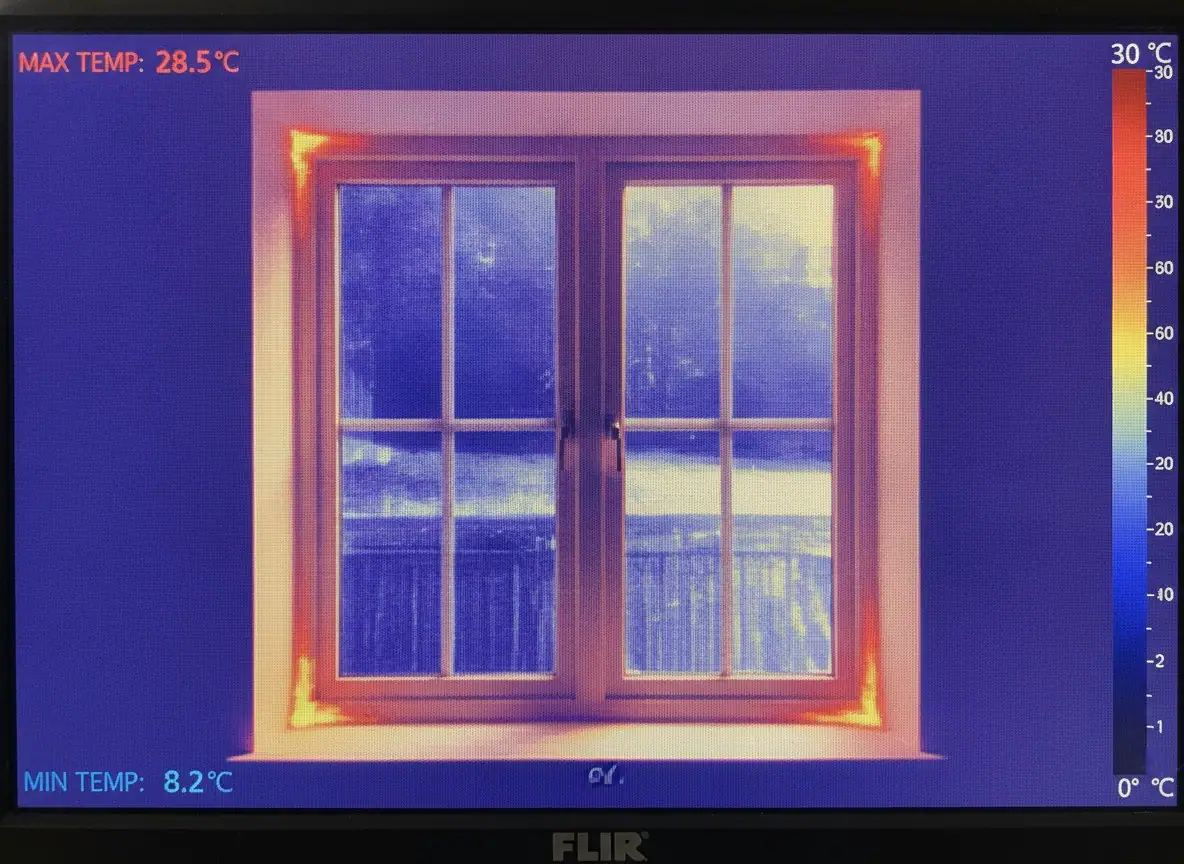
Neighborhoods We Serve in and Around Calabasas
The Oaks of Calabasas
This guard-gated community features large custom and semi-custom homes built primarily between 1998 and 2010, many with three-car garages. While newer construction, many of these garages have minimal wall insulation and uninsulated steel doors that face west, absorbing intense afternoon solar heat. We frequently upgrade these garages with spray foam ceiling systems and rigid foam door panels.
Calabasas Park Estates
Homes in this established neighborhood were built largely in the 1980s under older California energy codes. Two-car garages in this area often have no wall insulation or deteriorated original fiberglass batts. Blown-in insulation through existing drywall is the most practical solution for these homes without requiring full renovation.
Monte Nido
This unincorporated hillside community bordering Calabasas features custom homes with complex garage configurations, including detached structures and garages built into hillsides. Moisture management is a primary concern given proximity to Malibu Creek, and we recommend closed-cell spray foam for all garage surfaces in this area. See our crawl space encapsulation services for Monte Nido homes
Mulholland Highway Corridor and West Hills Adjacent Areas
Properties along this corridor experience the most direct exposure to Santa Ana wind events and wildfire smoke infiltration, making comprehensive air sealing alongside insulation a critical component of every project we complete here.
Garage Insulation Maintenance Tips for Calabasas Homeowners
Maximizing the lifespan and performance of your garage insulation in Calabasas requires periodic attention, particularly given the area’s demanding climate conditions.
- Inspect insulation annually each October before Santa Ana wind season begins, looking for compression, displacement, or moisture staining that may indicate air infiltration or roof leaks.
- Check garage door weatherstripping twice per year — in April and October — replacing any cracked or compressed seals to maintain the air seal created by your insulation system.
- Monitor for mold after marine layer season (July–August) by inspecting visible insulation surfaces and sniffing for musty odors that indicate moisture accumulation behind walls.
- Keep garage vents clear of debris after Diablo and Santa Ana wind events, which can deposit leaf litter and combustibles against vent screens, reducing airflow and increasing fire risk.
- Test garage door balance annually — a misaligned door creates gaps that bypass even the best insulation system and increase energy loss significantly.
- Re-caulk penetrations every three to five years around electrical conduits, water lines, and gas lines that pass through insulated walls, as Calabasas’s thermal cycling causes sealants to degrade faster than in milder climates.
- After wildfire smoke events, inspect and replace any filtration components in ventilated garage spaces to prevent particulate buildup from degrading insulation materials over time.
Why Choose Best Price Insulation for Garage Insulation in Calabasas
Best Price Insulation brings deep regional expertise to every garage insulation project in Calabasas and the surrounding communities. We understand that insulating a garage in this area means accounting for Santa Ana wind events, marine layer humidity, wildfire smoke infiltration, and the specific construction eras of Calabasas’s distinctive neighborhoods — from the 1980s tract homes of Calabasas Park to the hillside estates of Monte Nido.
Our team installs every major insulation system, including fiberglass batts, blown-in cellulose, closed-cell and open-cell spray foam, and rigid foam board for garage doors. We are fluent in California Title 24 Climate Zone 9 compliance requirements and can ensure your project meets all current energy code standards — an important consideration for future home sales in Los Angeles County’s active real estate market.
Read moreShow less
We serve homeowners throughout Calabasas and across the greater region, including Agoura Hills, Westlake Village, Woodland Hills, Malibu, Hidden Hills, and Thousand Oaks. Our commitment to transparent pricing, detailed proposals, and clean, professional installation makes us the trusted choice for Calabasas garage insulation. Explore our attic insulation services for whole-home energy efficiency solutions.
Call us at (818) 696-4154 to speak with a local insulation specialist today.
FAQ
Frequently Asked Questions About Garage Insulation in Calabasas
How much does garage insulation cost in Calabasas, CA?
Garage insulation costs in Calabasas typically range from $400 for a basic single-car garage fiberglass installation to $4,500 or more for a comprehensive spray foam and garage door package in a large three-car garage. The specific cost depends on garage size, existing conditions, chosen insulation method, and whether moisture remediation is required. Southern California Edison rebates and federal tax credits may reduce your net cost. Call (818) 696-4154 for a free, no-obligation quote.
What R-value do I need for my Calabasas garage?
California’s Title 24 energy standards place Calabasas in Climate Zone 9, which recommends a minimum of R-13 for garage walls and R-30 for ceilings shared with conditioned living spaces. However, given Calabasas’s extreme summer temperatures and Santa Ana wind exposure, we typically recommend R-19 or higher for walls and R-38 for ceilings to achieve meaningful energy savings against the area’s 100°F+ summer peaks.
How long does garage insulation installation take in Calabasas?
Most standard two-car garage insulation projects in Calabasas are completed in a single day, typically four to eight hours depending on the scope. Larger three-car garages, hillside homes with complex ceiling configurations in areas like Monte Nido, or projects requiring prior moisture remediation may extend to two days. We work to minimize disruption to your daily schedule and leave your garage clean and accessible the same day.
Can I insulate my garage door, and does it make a difference in Calabasas?
Yes, and it makes a significant difference in Calabasas specifically. The single-layer steel garage doors common in this area’s 1980s and 1990s tract homes have effectively zero insulation value. West-facing doors — which are common in Calabasas communities where streets run north-south — receive direct afternoon solar radiation from May through October, driving interior temperatures well above 110°F. Adding R-8 to R-12 rigid foam panels to your garage door can reduce interior temperatures by 20 to 30 degrees Fahrenheit during peak summer heat.
Does garage insulation help during Santa Ana wind events in Calabasas?
Yes. A well-insulated and air-sealed garage provides a meaningful buffer against the extreme heat and low humidity of Santa Ana events, which affect Calabasas several times each fall and winter. Proper insulation slows the rate at which outdoor heat penetrates the garage interior and, when combined with air sealing at all penetrations, reduces smoke infiltration during regional wildfire events — a significant concern in this community following the 2018 Woolsey Fire.
Do I need a permit to insulate my garage in Calabasas?
Permit requirements for garage insulation in Calabasas depend on project scope. Adding insulation to existing cavities through blown-in methods typically does not require a permit. Projects involving drywall removal and replacement or spray foam applications in certain configurations may require a permit from the City of Calabasas Building and Safety Division. Our team reviews applicable permit requirements during the assessment phase and can assist with documentation if required.
How does garage insulation affect my home’s resale value in Calabasas?
Calabasas’s competitive real estate market, with median home prices well above $1.5 million, means buyers are increasingly scrutinizing energy performance. A properly insulated garage with documented R-value compliance to California Title 24 standards is a tangible selling point. Real estate professionals serving the Las Virgenes Unified School District area consistently note that energy-efficient upgrades — including garage insulation — support faster sales and stronger offers in this market.
Can you insulate a garage that already has drywall without removing it?
Yes. Blown-in insulation is specifically designed for this scenario and is one of the most common solutions we deploy in Calabasas homes where the garage was finished during original construction. We drill small access holes — typically 2 inches in diameter — at the top of each wall cavity, inject dense-pack cellulose or fiberglass until the cavity is fully filled, and then patch the holes cleanly. The result is virtually invisible and achieves full R-value performance without requiring drywall demolition.
Get a Free Garage Insulation Quote in Calabasas Today
Don’t let another scorching Calabasas summer or Santa Ana wind event drive your energy bills higher and damage the contents of your garage. Best Price Insulation is ready to assess your garage, recommend the right insulation solution for your home’s specific configuration and climate exposure, and complete the installation efficiently and professionally.
We serve all of Calabasas — including The Oaks, Calabasas Park Estates, Monte Nido, and the Mulholland Highway corridor — as well as neighboring communities including Agoura Hills, Woodland Hills, Hidden Hills, Malibu, and Thousand Oaks.
Call us today at (818) 696-4154 to schedule your free on-site assessment. Our team is standing by to help you achieve a more comfortable, energy-efficient home with professional garage insulation in Calabasas, CA.
Request a free quote online
Get in touch
Find insulation help near you
Request a free estimate online or give us a call — our team will follow up quickly.
- Call us(818) 696-4154
- Visit26635 W Agoura Rd, Calabasas, CA 91302
- HoursMon-Sun 07:00-19:00