
Blown-In Insulation in Calabasas, CA
Energy-Saving Blown-In Insulation in Calabasas, CA for Calabasas, CA Homes — Licensed & Insured
Get expert blown-in insulation in Calabasas, CA. Best Price Insulation offers free assessments, competitive pricing & Title 24 compliance. Call (818) 696-4154.
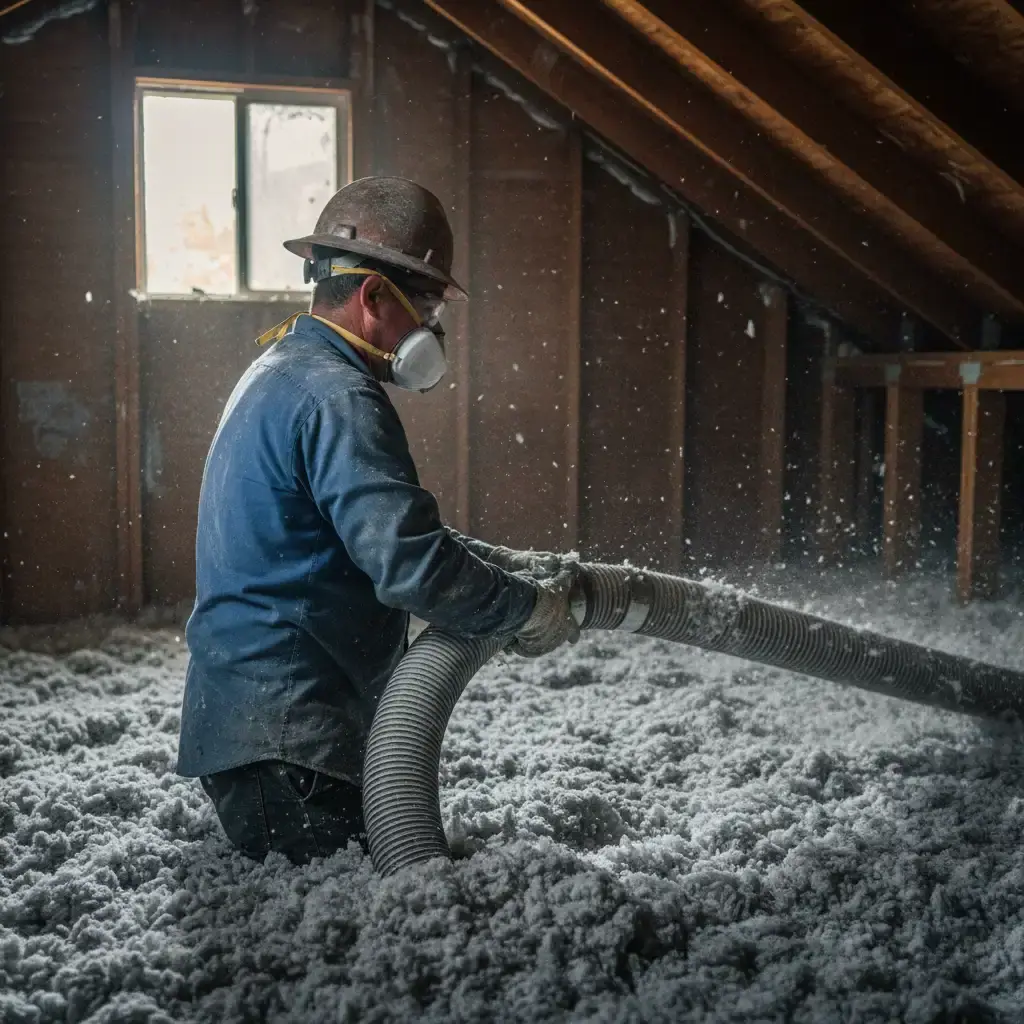
Blown-in insulation is a high-performance insulation solution that uses specialized equipment to propel loose-fill material — typically cellulose or fiberglass — into wall cavities, attic spaces, and hard-to-reach areas of your home. Unlike traditional batt insulation, blown-in insulation conforms perfectly to irregular surfaces, sealing gaps that allow conditioned air to escape and outdoor temperatures to invade.
In Calabasas, CA, where summer temperatures routinely exceed 100°F in inland zones and seasonal Santa Ana winds create dramatic temperature swings, having adequate insulation is not a luxury — it is a necessity. Homes throughout the Las Virgenes corridor, the gated communities off Mulholland Highway, and the hillside estates near Monte Nido face unique thermal challenges that make blown-in insulation one of the most effective and cost-efficient upgrades available.
Read moreShow less
Best Price Insulation delivers professional blown-in insulation services throughout Calabasas and the surrounding region. Our team understands the local climate, building stock, and energy demands that define this community. Call us today at (818) 696-4154 to schedule your free assessment.
Understanding Blown-In Insulation
Blown-in insulation — also referred to as loose-fill insulation — has been used in residential and commercial construction for decades. The technology evolved significantly during the energy crisis of the 1970s, when federal programs began incentivizing homeowners to retrofit older housing stock with more effective thermal barriers. Today, blown-in insulation is one of the most widely recommended solutions by energy auditors, utility companies, and building scientists across the country.
The process involves using a blowing machine to push loose insulation material through a flexible hose and into targeted areas of a structure. The material expands and settles to fill every crevice, corner, and cavity, creating a continuous thermal envelope that rigid batt insulation simply cannot replicate. The two most common materials used are:
Read moreShow less
- Cellulose: Made from approximately 85% recycled paper products, cellulose is an eco-friendly option treated with borate compounds for fire and pest resistance. It achieves an R-value of roughly R-3.2 to R-3.8 per inch.
- Fiberglass: Composed of spun glass fibers, fiberglass blown-in insulation offers excellent moisture resistance and achieves approximately R-2.2 to R-2.7 per inch. It is particularly suited to areas with occasional humidity intrusion.
In Calabasas, the predominant residential building types include single-family homes constructed between the 1970s and 1990s — many of which were built with minimal attic insulation to the standards of the era — as well as newer luxury custom builds from the 2000s and 2010s. Older homes in neighborhoods like the Calabasas Park Estates frequently have attic insulation that has settled, degraded, or been contaminated, falling far below California’s current Title 24 energy code requirements, which mandate R-38 minimum in Zone 6 climate classifications covering this area.
Blown-in insulation is ideal for retrofitting these existing homes without requiring major demolition. It is also highly effective in new construction when used in conjunction with spray foam insulation for a comprehensive thermal and air sealing strategy.
Beyond thermal performance, blown-in insulation offers meaningful acoustic benefits — a valued feature in Calabasas communities near the 101 Freeway corridor, where road noise can penetrate inadequately insulated walls and ceilings.
Why Blown-In Insulation Is Needed in Calabasas, CA
Extreme Heat Events and the Inland Valley Effect
Calabasas sits at the convergence of the Santa Monica Mountains and the San Fernando Valley basin, creating a microclimate that amplifies heat. During the summer of 2020, Calabasas recorded temperatures reaching 113°F during the historic heat dome that struck Southern California in mid-August — one of the most extreme events on record. Attics in Calabasas routinely reach 150°F to 160°F during peak summer days, creating a massive radiant heat load that drives up cooling costs significantly. Without adequate blown-in insulation at the attic floor level, this heat radiates directly into living spaces, forcing air conditioning systems to work continuously.
Santa Ana Wind Events and Rapid Temperature Fluctuations
The Santa Ana wind events that sweep through the Las Virgenes Valley each fall and winter are a defining climate feature of this region. These offshore winds, which can gust to 60 or 70 mph through gaps in the Santa Monica Mountains, cause overnight temperature drops of 20°F to 30°F within hours. Homes with insufficient insulation experience dramatic interior temperature fluctuations during these events, placing stress on HVAC systems and reducing comfort. The Woolsey Fire of November 2018 — which burned more than 96,000 acres across Calabasas, Agoura Hills, and Malibu — also prompted thousands of homeowners to rebuild or retrofit, and many discovered during the reconstruction process that their original insulation was grossly inadequate.
Aging Housing Stock and Settled Insulation
A significant portion of Calabasas’s residential inventory was developed during the 1970s and 1980s, particularly in neighborhoods such as Calabasas Park, Mulwood, and the areas surrounding Calabasas Road. Homes built during this era were typically installed with just 3 to 4 inches of blown-in or batt insulation in the attic — equivalent to approximately R-11 to R-15 — far below the current California Energy Commission’s Title 24 requirement of R-38 for Climate Zone 6. Over 30 to 40 years, even originally adequate insulation settles and compresses, further reducing its effective R-value.
Wildfire Smoke and Contamination
The repeated wildfire events in and around Calabasas — including the Creek Fire, Woolsey Fire, and various Las Virgenes brush fires — have left airborne ash and particulate matter that can infiltrate attic spaces and contaminate existing insulation. Contaminated insulation not only poses indoor air quality concerns but also loses thermal performance. Many homeowners pursuing insulation removal following fire events find that replacement with fresh blown-in insulation is both a health and an energy efficiency imperative.
Water Intrusion and Moisture from Coastal Influence
Despite being inland, Calabasas is close enough to the Pacific Ocean — roughly 15 miles from Malibu as the crow flies — to experience marine layer influence, particularly in late spring and early summer. This marine layer, known locally as “June Gloom,” introduces elevated humidity that can condense in poorly ventilated attic spaces, promoting mold growth within degraded insulation materials. Attic insulation assessments in Calabasas frequently reveal moisture damage that requires full remediation before new blown-in material can be installed.
Free, no-obligation estimates
Talk to Best Price Insulation
Tell us what you need and we’ll take it from there.
Signs You Need Blown-In Insulation in Calabasas
Energy and Comfort Indicators
- Monthly SoCalGas or Southern California Edison bills that have increased 15% or more year-over-year without a corresponding change in usage habits
- Rooms that are consistently 5°F to 10°F warmer or cooler than the thermostat setting, particularly bedrooms directly beneath the roofline
- Air conditioning running nearly continuously during Calabasas summer heat events without achieving set temperatures
- Noticeable drafts along interior ceilings or at the top of exterior walls during Santa Ana wind conditions
Visual and Physical Symptoms
- Visible attic insulation that appears thin, compressed, or discolored — healthy blown-in insulation should measure at least 10 to 15 inches deep
- Ice dams forming at roof edges during rare cold snaps (less common in Calabasas, but observed during anomalous winter events)
- Soot streaks or dark staining on attic insulation surfaces, indicating air infiltration carrying particulates
- A musty odor in upper-floor rooms, suggesting moisture has compromised existing insulation
Urgency Indicators
- Pest activity — rodents and insects nesting in degraded attic insulation, which is a documented issue in Calabasas foothills properties
- Insulation that has been disturbed or removed during a roof replacement or HVAC upgrade and not yet replaced
- A home that has failed a HERS (Home Energy Rating System) audit required for permit compliance
Our process
Our Blown-In Insulation Process in Calabasas
- 01
Free On-Site Assessment (1–2 Hours)
Our process begins with a comprehensive on-site evaluation of your Calabasas property. A trained technician inspects the attic, crawl spaces, and accessible wall cavities, measuring existing insulation depth, identifying air leaks, assessing ventilation condit
- 02
Proposal and Material Selection (Same Day or Within 24 Hours)
Based on the assessment findings and your home’s California Energy Code climate zone requirements, we prepare a written proposal specifying the material type (cellulose or fiberglass), target R-value, estimated material volume, and total project cost. We walk
- 03
Pre-Installation Preparation (Half Day)
Before insulation is installed, our crew prepares the workspace. In attic applications, this includes ensuring proper ventilation baffles are in place at each rafter bay to protect soffit ventilation — critical in Calabasas where attic airflow management is es
- 04
Blown-In Insulation Installation (Half Day to Full Day)
Using commercial-grade blowing machines positioned outside the home — protecting your interior from dust and debris — our technicians feed loose-fill material through flexible hoses into the target areas. For open attic floor applications, we install to a unif
- 05
Quality Inspection and Depth Verification (1 Hour)
Upon completion of installation, a lead technician conducts a post-installation inspection, measuring insulation depth at multiple points throughout the attic and verifying that soffit baffles, attic hatch covers, and ventilation pathways remain unobstructed.
- 06
Cleanup and Final Walkthrough (1 Hour)
Our crew removes all equipment, vacuums any incidental debris from access areas, and completes a final walkthrough with you to review the completed installation, explain expected performance improvements, and provide maintenance guidance specific to Calabasas
Blown-In Insulation Methods and Approaches
Open-Blow Attic Application
The most common method in Calabasas, open-blow application involves blowing loose-fill material directly onto the open attic floor between and over existing joists. This approach is ideal for existing homes with accessible attics and is the most cost-effective way to bring under-insulated attics up to California Title 24 R-38 compliance. It is particularly effective in the ranch-style and two-story tract homes common in Calabasas Park and Mulwood neighborhoods.
Dense-Pack Wall Insulation
For exterior walls lacking insulation — common in pre-1980 Calabasas homes built before wall insulation was standard practice — dense-pack installation involves drilling small access holes in exterior siding or interior drywall and injecting insulation at high density (approximately 3.5 lbs per cubic foot for cellulose). This method achieves R-13 in a standard 2×4 wall cavity and significantly reduces air infiltration without requiring full wall demolition.
Stabilized or Spray-Applied Blown-In
For sloped roof cavities, cathedral ceilings, or areas where conventional loose-fill would shift and settle, we use a water-activated stabilized cellulose product that adheres to surfaces during application and then dries in place. This approach is common in the custom hillside homes of Monte Nido and the estate properties along Mulholland Highway where complex roof geometry makes standard attic application impractical.
Combined Blown-In and Spray Foam Hybrid
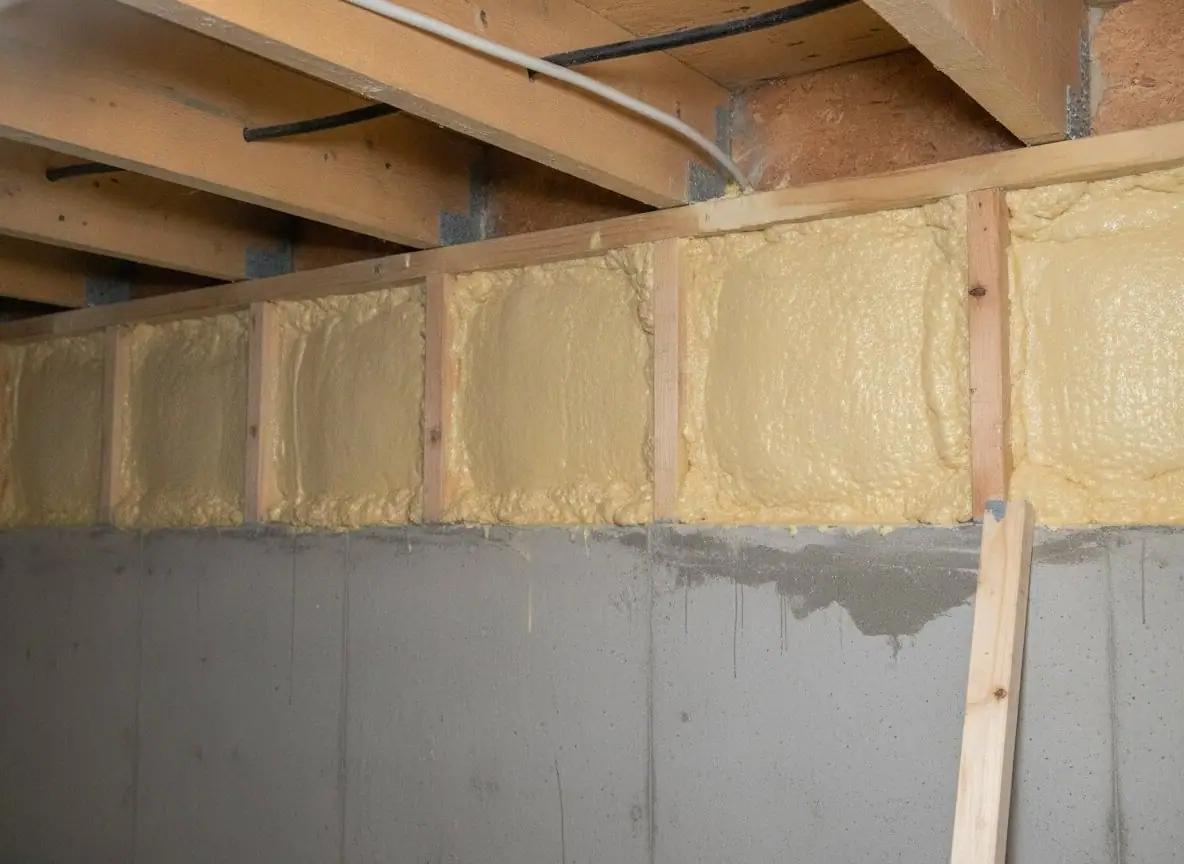
For maximum performance in luxury properties or homes undergoing comprehensive energy retrofits, we often combine spray foam insulation at the attic deck and rim joists for air sealing with blown-in insulation for bulk thermal resistance. This hybrid approach addresses both air infiltration and thermal transfer — the two primary causes of energy loss in Calabasas homes.
Blown-In Insulation Cost in Calabasas, CA
Understanding the cost of blown-in insulation in Calabasas helps homeowners plan their projects with confidence. Pricing varies based on the scope of work, materials selected, and specific conditions found during assessment.
Typical Price Ranges
- Attic blown-in insulation (open-blow): $1.50 to $3.00 per square foot, depending on target R-value and existing conditions. A typical 1,800-square-foot Calabasas home attic will range from $1,500 to $3,500 for a full installation to R-38.
- Dense-pack wall insulation: $2.00 to $5.00 per square foot of wall area, reflecting the additional labor involved in drilling, injecting, and patching access points.
- Combined remediation and reinstallation: When existing insulation removal is required prior to new installation, add $1.00 to $2.50 per square foot for removal and disposal.
- Crawl space insulation: $2.00 to $4.50 per square foot, with additional costs for vapor barrier installation. See our crawl space insulation page for details.
Read moreShow less
Factors Affecting Calabasas Pricing
- Attic accessibility: Low-pitch rooflines common in 1970s Calabasas ranch homes can increase labor time and cost by 10% to 20%.
- Contamination remediation: Homes affected by the Woolsey Fire or subsequent wildfire smoke events may require additional remediation steps before installation.
- Material choice: Cellulose is typically 10% to 15% less expensive than fiberglass blown-in but may carry a slight upcharge in wildfire-risk zones where borate treatment levels are specified.
- California utility rebates: Southern California Edison and SoCalGas offer rebates for qualifying insulation upgrades — our team helps identify applicable programs that can reduce your net project cost by $200 to $800.
Contact Best Price Insulation at (818) 696-4154 for a precise, no-obligation quote for your specific property.
Blown-In Insulation Service Areas in and Around Calabasas
Calabasas Park Estates
Developed primarily in the 1970s and early 1980s, Calabasas Park Estates homes feature single-story and two-story designs with accessible attic spaces, but insulation installed at original construction rarely exceeds R-11. These homes are ideal candidates for open-blow attic upgrades to current Title 24 minimums.
Hidden Hills
The equestrian-zoned community of Hidden Hills features larger custom homes on significant lot sizes, often with complex rooflines and multiple attic zones requiring careful mapping before blown-in installation. Many properties were built or expanded in the 1990s and early 2000s with better baseline insulation, but still benefit from air sealing combined with blown-in upgrades in secondary attic zones.
Monte Nido and Topanga
These hillside communities within the attic insulation service area feature older homes with challenging access conditions, irregular framing, and elevated wildfire risk. We frequently perform combined removal, remediation, and blown-in reinstallation in these areas following fire seasons.
Agoura Hills and Westlake Village
Neighboring communities to Calabasas, these cities feature tract developments from the 1980s and 1990s that share similar insulation deficiencies. Blown-in insulation retrofits in these communities follow identical processes to our Calabasas work and fall within our standard service territory.
Blown-In Insulation Maintenance Tips for Calabasas Homeowners
Blown-in insulation is a long-lasting solution, but periodic maintenance helps preserve its performance over time — especially given Calabasas’s unique environmental conditions.
- Annual attic inspection: Check your attic every fall before the Santa Ana wind season. Look for signs of settling, moisture staining, or pest disturbance. A depth of at least 10 inches of blown-in cellulose or 13 inches of fiberglass indicates adequate R-38 coverage.
- Maintain attic ventilation: Ensure soffit and ridge vents remain unobstructed. In Calabasas’s hot summers, proper ventilation is the insulation’s partner — blocking vents negates much of its benefit.
- Seal attic access hatches: Attic hatches are a major thermal bypass. Keep the hatch weatherstripped and insulated to at least R-30 on the attic-facing side.
- Check after wildfire events: Following any nearby brush fire or regional smoke event, have your attic inspected for ash infiltration or odor contamination within the insulation layer.
- Monitor for pest activity: Calabasas’s foothill location makes rodent intrusion a realistic risk. Inspect attic perimeter areas each fall for entry points and nesting activity within insulation.
- Address roof leaks immediately: Even minor roof leaks can saturate blown-in insulation, reducing its R-value dramatically. Wet cellulose or fiberglass must be replaced, not dried in place.
- Recheck after major HVAC work: Contractors servicing attic HVAC units sometimes displace or disturb blown-in insulation. Verify even coverage after any attic mechanical work.
Why Choose Best Price Insulation in Calabasas
Best Price Insulation is a locally operated insulation contractor serving Calabasas and the Greater Los Angeles area with a deep commitment to quality workmanship, transparent pricing, and genuine customer service.
Our team understands the specific demands of Calabasas properties — from the heat load challenges of homes backing up to the Santa Monica Mountains, to the wildfire remediation needs following events like the Woolsey Fire. We do not apply a one-size-fits-all approach. Every project begins with a thorough assessment and a customized installation plan designed for the unique characteristics of your home.
We work with all major blown-in insulation materials and have experience with the full spectrum of Calabasas residential building types — from 1970s ranch homes in Calabasas Park to contemporary custom estates in Hidden Hills. Our pricing is straightforward, our assessments are free, and we never pressure homeowners into unnecessary scope additions.
Read moreShow less
In addition to blown-in insulation, our comprehensive service menu includes spray foam insulation, attic insulation, crawl space encapsulation, insulation removal, and insulation replacement — making Best Price Insulation your single-source provider for all insulation needs in Calabasas and throughout the surrounding region.
FAQ
Frequently Asked Questions About Blown-In Insulation in Calabasas
How much does blown-in insulation cost in Calabasas, CA?
In Calabasas, blown-in attic insulation typically costs between $1.50 and $3.00 per square foot for open-blow attic application. A typical 1,800-square-foot attic will run between $1,500 and $3,500 depending on target R-value, current insulation conditions, and accessibility. Dense-pack wall applications cost more — generally $2.00 to $5.00 per square foot. We provide free, itemized quotes so you know exactly what you are paying for before work begins.
How long does a blown-in insulation installation take in Calabasas?
Most standard attic blown-in insulation projects in Calabasas are completed within a single day. Assessment and preparation may take a half day, with installation typically requiring three to five hours for an average-sized home. More complex projects involving contamination removal, crawl space work, or dense-pack wall insulation may require two to three days total.
Does my Calabasas home need insulation removal before blown-in installation?
Not always. If existing insulation is in good condition — free of moisture damage, pest contamination, and wildfire-related ash infiltration — new blown-in material can often be added directly on top to bring the total depth and R-value up to Title 24 requirements. However, homes in Calabasas that were affected by the Woolsey Fire, Creek Fire, or other smoke events frequently require full removal before reinstallation. Our assessment determines the appropriate approach. Learn more about our insulation removal services.
What R-value do I need for my Calabasas home?
Calabasas falls within California Energy Commission Climate Zone 6. For existing homes, the minimum recommended R-value for attic insulation under Title 24 is R-38. New construction or major renovations may be subject to R-49 requirements. Our assessors determine your home’s current R-value and the specific target needed for both code compliance and optimal energy performance given Calabasas’s extreme summer temperatures.
Is cellulose or fiberglass blown-in insulation better for Calabasas homes?
Both materials perform well in Calabasas, and the right choice depends on your specific situation. Cellulose is a popular choice for its recycled content, superior air-sealing density, and slight thermal mass advantage — helpful for moderating the dramatic day-to-night temperature swings common during Santa Ana wind events. Fiberglass blown-in offers excellent moisture resistance, which is beneficial in homes with attic ventilation or moisture management challenges. We walk you through both options during your assessment.
Can blown-in insulation help with the noise from the 101 Freeway?
Yes. Blown-in insulation — particularly dense-pack cellulose in wall cavities — provides meaningful acoustic damping that reduces exterior noise transmission into living spaces. Homeowners in Calabasas neighborhoods within a mile or two of the Ventura Freeway (US-101) corridor often notice a significant reduction in road noise following a dense-pack wall insulation project, in addition to the thermal performance improvements.
Are there utility rebates available for blown-in insulation in Calabasas?
Yes. Southern California Edison offers rebates through its Energy Upgrade California program for qualifying insulation upgrades, and SoCalGas provides similar incentives. Rebate amounts vary based on the scope of work and current program availability but can range from $200 to $800 or more for qualifying attic insulation projects. Our team helps identify applicable programs and assist with documentation during the quoting process.
How long does blown-in insulation last in Calabasas’s climate?
When properly installed and maintained, blown-in insulation can last 20 to 30 years or more. Cellulose may experience minor settling of 5% to 20% over the first few years, which is accounted for during installation by adding extra depth. The primary threats to longevity in Calabasas are moisture intrusion, pest damage, and wildfire smoke infiltration — all of which can be managed through annual inspections and prompt remediation when identified.
Get a Free Blown-In Insulation Quote in Calabasas Today
If your Calabasas home is uncomfortable during summer heat events, if your energy bills have been climbing, or if your attic insulation has not been inspected in the last five years, now is the time to act. Best Price Insulation offers free, no-obligation assessments for homeowners throughout Calabasas, Hidden Hills, Agoura Hills, Westlake Village, Malibu, Woodland Hills, and all surrounding communities.
Our team is ready to evaluate your home, recommend the right blown-in insulation solution for your specific building and climate conditions, and provide you with a transparent, competitive quote — with no pressure and no surprises.
Call Best Price Insulation today at (818) 696-4154 or reach out through our website to schedule your free Calabasas insulation assessment. Comfort, efficiency, and savings are one call away.
Get in touch
Find insulation help near you
Request a free estimate online or give us a call — our team will follow up quickly.
- Call us(818) 696-4154
- Visit26635 W Agoura Rd, Calabasas, CA 91302
- HoursMon-Sun 07:00-19:00