
Roof Insulation in Calabasas, CA
Expert Roof Insulation in Calabasas, CA — Storm-Tested, Warranty-Backed
Get expert roof insulation in Calabasas, CA from Best Price Insulation. Title 24 compliant installs, fair pricing, local expertise. Call (818) 696-4154 today.
Roof insulation is the thermal and moisture barrier installed between your living space and the exterior roofline, designed to regulate indoor temperatures, reduce energy loss, and protect structural components from heat and humidity damage. In Calabasas, CA, where summer temperatures regularly climb above 100°F in the inland valleys and Mediterranean climate conditions create dramatic seasonal swings, proper roof insulation is not a luxury — it is a critical home performance component.
Best Price Insulation specializes in roof insulation solutions tailored specifically for the architectural styles, climate zones, and building codes found throughout Calabasas and the greater Santa Monica Mountains corridor. Whether you own a custom estate in The Oaks, a production home in the Calabasas Park neighborhood, or a newer build near Las Virgenes Road, our team brings hands-on local knowledge to every project. We install, replace, and remove insulation systems with precision, helping homeowners cut cooling costs and improve year-round comfort. Call us today at (818) 696-4154 to schedule your assessment.
Understanding Roof Insulation
Roof insulation refers to any material or system installed within or above the roof assembly — typically in the attic space, along the roof deck, or within rafter cavities — that resists the transfer of heat between the exterior environment and the conditioned living space below. The science behind roof insulation centers on the concept of R-value, a numerical measure of thermal resistance. The higher the R-value, the greater the material’s ability to slow heat movement.
Historically, California homes built before the 1970s were constructed with little or no insulation, as energy costs were low and building codes did not mandate thermal performance standards. The energy crisis of the 1970s triggered California’s first meaningful residential insulation requirements, but millions of homes built in the decades prior — many of which still stand in communities like Calabasas — remain under-insulated by today’s Title 24 standards. In fact, California’s Title 24 Energy Code, last significantly updated in 2022, now requires roof assembly R-values of R-38 to R-60 for new construction in Climate Zone 9, which encompasses Calabasas and much of the San Fernando Valley periphery.
Read moreShow less
Roof insulation materials have evolved considerably over the decades. Early installations relied almost exclusively on fiberglass batts stapled between rafters. Modern applications now include blown-in cellulose, open-cell and closed-cell spray polyurethane foam, rigid foam board, and hybrid systems that combine multiple materials for maximum performance. Each material category carries different density, moisture resistance, air-sealing capability, and longevity profiles.
In Calabasas specifically, the building stock is diverse. The community includes tract homes constructed in the 1970s and 1980s along Ventura Freeway corridors, custom hillside construction from the 1990s and 2000s above Mulholland Highway, and more recent master-planned developments around the Calabasas commons area. Each building era and construction type presents distinct insulation challenges, from vaulted ceilings with minimal rafter depth to complex roof geometries on larger custom estates. Understanding this local building history is essential to selecting the right roof insulation approach.
Why Roof Insulation Is Needed in Calabasas, CA
Extreme Heat Loading from the Santa Ana Wind Events
Calabasas experiences some of Southern California’s most intense Santa Ana wind events, particularly during October through December. During the November 2018 Woolsey Fire — which burned more than 96,000 acres across the Santa Monica Mountains, impacting communities immediately adjacent to Calabasas including Agoura Hills and Malibu — ambient air temperatures spiked dramatically and wind-driven ember storms exposed rooftop assemblies to extraordinary thermal stress. Homes with degraded or insufficient roof insulation experienced accelerated interior temperature rises during evacuation periods. Beyond fire events, standard summer Santa Ana conditions routinely push temperatures in Calabasas to between 105°F and 112°F, with attic temperatures potentially reaching 150°F to 160°F when roof insulation is inadequate. At those attic temperatures, HVAC systems must work two to three times harder than normal, dramatically increasing energy consumption and equipment wear.
Mediterranean Climate Seasonal Swings
Calabasas sits in USDA Climate Zone 9, characterized by hot, dry summers and mild, moderately wet winters. The Las Virgenes Creek watershed running through the community generates localized humidity pockets, particularly in lower-elevation areas near Malibu Creek State Park. This seasonal moisture, combined with temperature differentials between heated interiors and cold winter nights — which can drop to the mid-30s°F between December and February — creates condensation risk within roof assemblies that lack proper vapor management. Over time, moisture infiltration degrades fiberglass batt insulation, promotes mold growth within rafter cavities, and causes wood rot in structural members.
Title 24 Compliance and Home Sale Requirements
California’s 2022 Title 24 Energy Code mandates that homes in Climate Zone 9 meet R-38 minimum attic insulation requirements. Many Calabasas homes built before 1990 carry only R-11 to R-19 in their attic spaces, representing a significant compliance gap that becomes financially relevant during real estate transactions, permit-requiring renovations, and insurance reassessments. The city of Calabasas, operating under Los Angeles County building authority, requires insulation upgrades when more than 50% of a roof assembly is replaced — a common trigger during re-roofing projects that many homeowners are unaware of until mid-project.
Topography and Hillside Construction Challenges
The hillside neighborhoods above Mulholland Highway and along the ridgelines of the Santa Monica Mountains experience wind exposure conditions significantly more intense than valley-floor properties. Homes in Monte Nido, Topanga, and the upper reaches of North Ranch face persistent wind-driven air infiltration through roof assemblies, making air-sealing an equally critical component of any roof insulation system. Without proper air barriers integrated into the insulation installation, even high R-value materials underperform because convective heat transfer bypasses the insulation layer entirely.
Free, no-obligation estimates
Talk to Best Price Insulation
Tell us what you need and we’ll take it from there.
Signs You Need Roof Insulation in Calabasas
Temperature and Comfort Indicators
- Upper floors or rooms directly below the roofline are consistently 8°F to 15°F warmer than lower levels during summer months
- Air conditioning runs continuously during Calabasas summer afternoons without reaching the thermostat set point
- You feel radiant heat through upper-floor ceilings on hot days, even with the HVAC system running
- Cold drafts near ceiling lines during winter nights despite adequate heating
Energy and Cost Indicators
- Monthly electricity bills spike above typical Southern California Edison averages during June through September (above $350 to $500 for a mid-size Calabasas home)
- HVAC equipment is cycling on and off more frequently than normal, indicating it cannot maintain set temperatures efficiently
- Recent energy audits flag attic thermal performance as a primary source of energy loss
Physical and Structural Indicators
- Visible settling, gaps, or compression in existing batt insulation observed from the attic hatch
- Insulation material appears discolored, wet, or shows visible mold spotting — a critical urgency indicator requiring immediate attention
- Ice damming evidence (rare but possible in Calabasas during cold snaps) along roof eaves
- Your home was built before 1990 and has never had an insulation upgrade
Our process
Our Roof Insulation Process in Calabasas
- 01
Initial Assessment and Energy Audit (Day 1 — 1 to 2 Hours)
Every project begins with a thorough on-site evaluation of your existing roof insulation system. Our technicians access the attic space, document current R-values, identify air leakage pathways, check for moisture intrusion common in Calabasas’s lower creek-ad
- 02
Custom Project Proposal (Day 1 to 3)
Based on our findings, we prepare a detailed written proposal specifying the recommended insulation type, target R-value to meet or exceed Title 24 Climate Zone 9 requirements, material quantities, and total project cost. We explain all options clearly so you
- 03
Insulation Removal if Required (Day of Installation — 2 to 4 Hours)
When existing insulation is degraded, contaminated, or incompatible with new materials, we perform complete removal using HEPA-filtered vacuum equipment. This step is especially important in older Calabasas homes where original fiberglass batts may have absorb
- 04
Air Sealing and Prep Work (Day of Installation — 1 to 3 Hours)
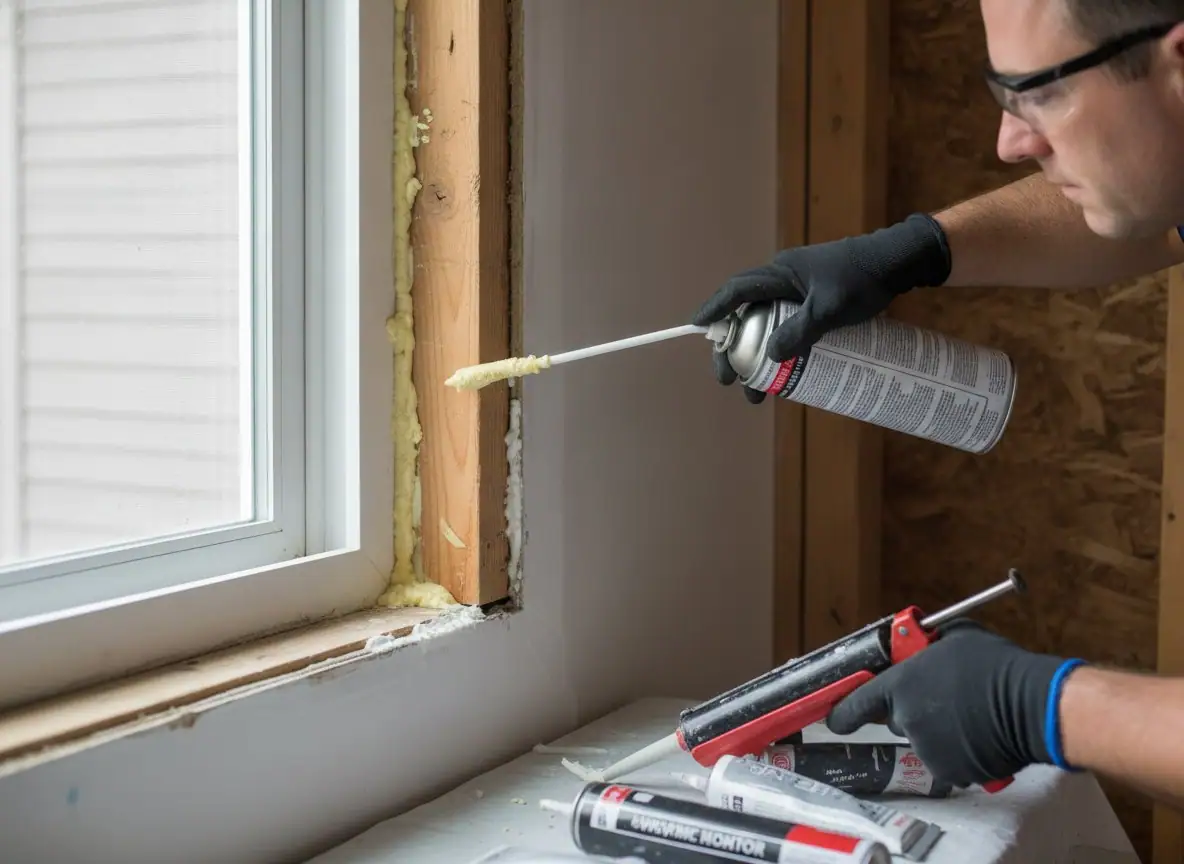
Before any new insulation is placed, we seal all air bypass points — recessed light fixtures, attic hatch perimeters, HVAC penetrations, and top plates — using fire-rated foam and caulk. This step is critical for hillside Calabasas properties where wind-driven
- 05
Insulation Installation (Day of Installation — 2 to 6 Hours Depending on Scope)
Insulation materials are installed according to manufacturer specifications and California building code requirements. Blow-in cellulose or fiberglass achieves uniform coverage across irregular attic geometries common in custom Calabasas homes. Spray foam is a
- 06
Quality Verification and Documentation (Same Day — 1 Hour)
We verify installed R-values using calibrated depth gauges, document coverage with photographs, and provide you with a written completion report suitable for permit records, home sale disclosure packages, or insurance purposes.
- 07
Final Walkthrough and Client Education (Same Day — 30 Minutes)
We walk you through completed work, explain maintenance expectations, and answer any questions about performance improvements you should expect in the first full billing cycle after installation.
Roof Insulation Methods and Approaches
Blown-In Fiberglass or Cellulose Insulation
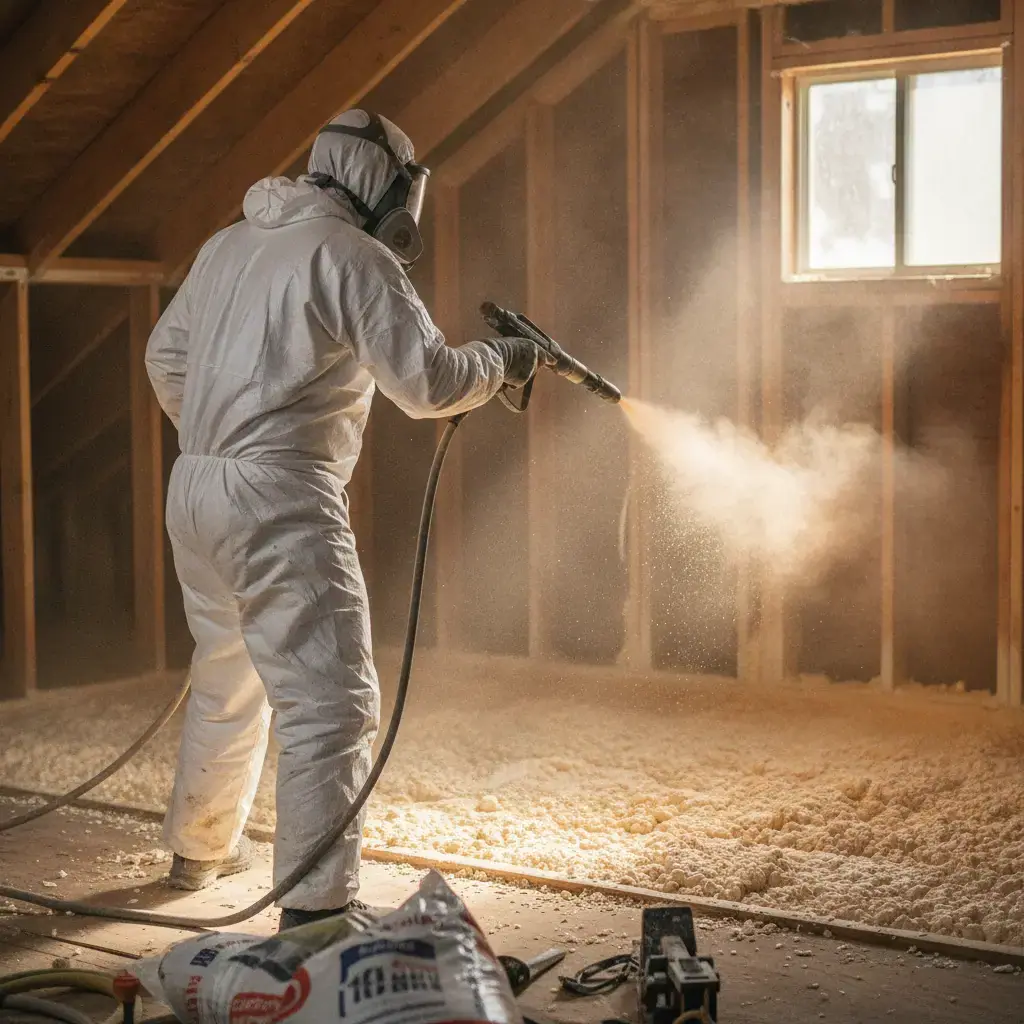
The most common retrofit method for existing Calabasas attics, blown-in insulation is pneumatically installed to achieve consistent depth and density across irregular spaces. Cellulose carries a higher post-consumer recycled content and offers natural fire retardancy — a meaningful consideration in Calabasas’s Very High Fire Hazard Severity Zone designations. Blown-in applications achieve R-38 to R-60 in a single installation session and conform naturally to obstructions like HVAC ducts and framing members. Learn more about our blow-in insulation services
Learn moreSpray Foam Insulation
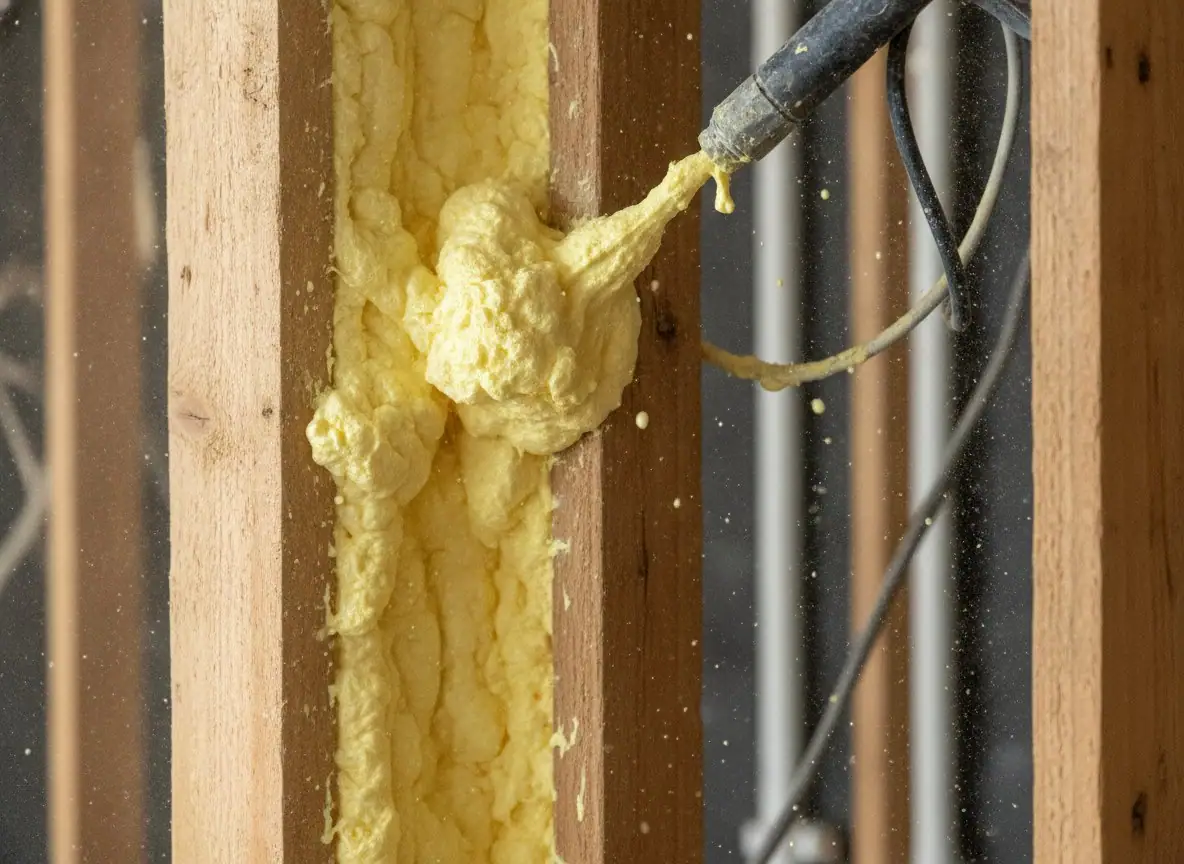
Spray polyurethane foam (SPF) provides both insulation value and air sealing in a single application, making it ideal for Calabasas hillside homes with complex roof geometries and high wind exposure. Closed-cell spray foam achieves R-6 to R-7 per inch with excellent moisture resistance — critical for properties near Malibu Creek where humidity infiltration is a documented concern. Open-cell foam is cost-effective for standard attic applications where vapor permeability is acceptable. Explore our spray foam insulation solutions
Learn moreAttic Insulation with Air Sealing Systems
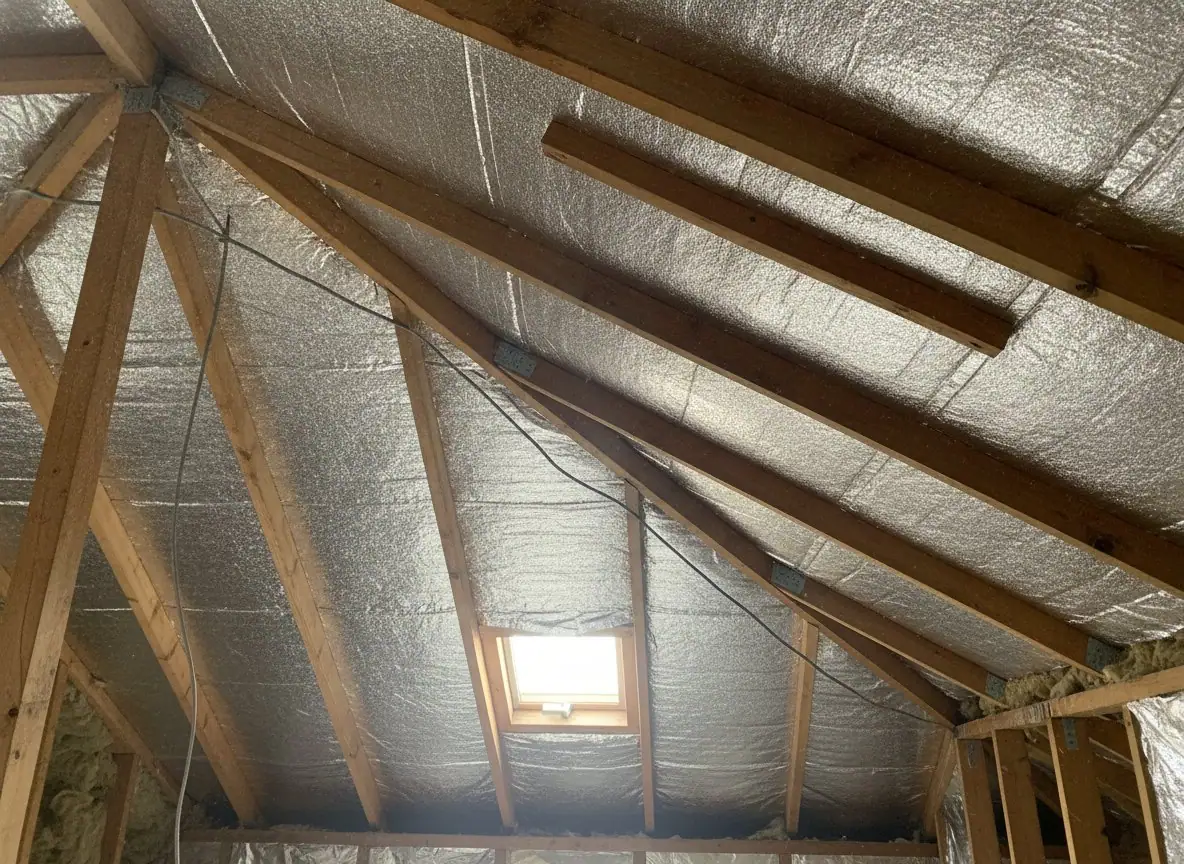
A comprehensive attic insulation system combines air barrier installation with thermal insulation to address both conductive and convective heat transfer. This approach is strongly recommended for Calabasas homes built before 2000, where original construction rarely included meaningful air sealing details. View our attic insulation services
Insulation Removal and Replacement
When existing materials are degraded, pest-contaminated, or smoke-damaged — common conditions in Calabasas homes that experienced nearby wildfire smoke exposure — full removal and replacement delivers the most reliable long-term performance outcome. Learn about our insulation removal process
Roof Insulation Cost in Calabasas, CA
Roof insulation costs in Calabasas vary based on the size of the home, the condition of existing insulation, the method selected, and current material pricing. Below are general price ranges to help you budget appropriately.
Typical Cost Ranges
- Blown-in attic insulation (standard installation, 1,000 to 1,500 sq ft attic): $1,200 to $2,800
- Blown-in attic insulation (larger homes, 2,000 to 3,500 sq ft attic common in The Oaks or North Ranch): $2,800 to $5,500
- Spray foam insulation (open-cell, per 1,000 sq ft): $1,500 to $3,000
- Spray foam insulation (closed-cell, per 1,000 sq ft): $3,000 to $6,500
- Full insulation removal (before replacement): $1,000 to $3,500 depending on attic size and material type
- Air sealing combined with insulation installation: Adds $400 to $1,200 to total project cost
Read moreShow less
Factors That Affect Pricing in Calabasas
Calabasas-specific cost drivers include the higher labor rates typical of Los Angeles County markets, access difficulty in hillside and custom-estate properties, and the additional material quantities required to achieve Climate Zone 9 R-value targets. Homes in gated communities like Hidden Hills or The Oaks may carry nominal access coordination costs. Insulation removal projects in homes with rodent activity — a documented issue in Calabasas’s brushland-adjacent neighborhoods — require additional containment and sanitation protocols that add $500 to $1,500 to removal costs.
Potential Savings and Incentives
Southern California Edison’s residential insulation rebate programs and federal energy efficiency tax credits (currently up to 30% of project cost under the Inflation Reduction Act through 2032) can meaningfully reduce your net project cost. Ask our team about current incentive eligibility during your assessment.
Neighborhoods We Serve in Calabasas and Surrounding Areas
The Oaks and North Ranch
These upscale communities feature large custom homes built primarily between 1990 and 2010, many with complex multi-peak roof geometries, vaulted interior ceilings, and minimal existing rafter depth that complicates traditional batt insulation approaches. Spray foam and hybrid systems are frequently the best solution for these properties.
Calabasas Park and Parkway Calabasas
Tract home developments from the late 1970s and 1980s dominate this area. Many of these homes were built with R-11 or R-13 fiberglass batts that have settled significantly over four decades, reducing effective R-value to well below original ratings. Blown-in insulation over existing material is a cost-effective upgrade path for these properties.
Monte Nido and Topanga
These semi-rural hillside communities west of Calabasas include older rural structures and custom homes on large parcels with intense wind exposure. Roof insulation projects here require comprehensive air sealing as a foundational element before thermal insulation installation.
Extended Service Area
We also serve homeowners in Agoura Hills, Westlake Village, Woodland Hills, Malibu, Hidden Hills, Thousand Oaks, and throughout the surrounding communities. Call us at (818) 696-4154 to confirm service availability in your area.
Roof Insulation Maintenance Tips for Calabasas Homeowners
- Inspect your attic annually before summer: Check for settled or displaced insulation material, particularly after strong Santa Ana wind events that can pressurize attic spaces and shift loose-fill insulation.
- Check attic ventilation clearances: Ensure blown-in insulation has not blocked soffit vents. Blocked ventilation accelerates moisture accumulation in Calabasas’s winter wet season (November through March).
- Monitor for pest activity after each wildfire season: Rodents displaced by brushland fires frequently seek shelter in attic spaces, where they nest in and contaminate insulation materials. Early detection prevents large-scale removal and replacement costs.
- Inspect the attic hatch seal yearly: The attic access point is a primary air leakage location. Check that weatherstripping and insulation cover boards remain intact.
- After any roof repair or re-roofing project: Verify that roofing contractors did not disturb or compress attic insulation during their work — a common and overlooked issue.
- Review energy bills seasonally: A sudden increase in summer cooling costs without a change in usage habits often signals insulation degradation or air sealing failure.
- Schedule a professional thermal inspection every 7 to 10 years to verify that insulation continues to perform at its installed R-value rating.
Why Choose Best Price Insulation for Roof Insulation in Calabasas
Best Price Insulation brings specialized knowledge of the Calabasas and greater Santa Monica Mountains region to every project we undertake. We understand the climate zone nuances of living in a community that sits at the intersection of marine and inland desert influences, and we know the building types, construction eras, and common insulation deficiencies found throughout Calabasas’s diverse neighborhoods — from the 1970s tract homes of Calabasas Park to the hillside estates above Mulholland Highway.
Our team is trained in California Title 24 compliance requirements for Climate Zone 9, ensuring that every installation we complete meets or exceeds current energy code standards — documentation that matters during home sales, renovation permits, and insurance assessments.
Read moreShow less
We serve the full spectrum of insulation needs: attic insulation, spray foam, blown-in systems, crawl space insulation, crawl space encapsulation, insulation removal, and complete insulation replacement. Our transparent pricing, detailed written proposals, and commitment to post-installation documentation set us apart in a market where many contractors deliver incomplete or underdocumented work.
Call Best Price Insulation today at (818) 696-4154 to schedule your Calabasas roof insulation assessment.
FAQ
Frequently Asked Questions About Roof Insulation in Calabasas, CA
How much does roof insulation cost in Calabasas?
Roof insulation projects in Calabasas typically range from $1,200 for basic blown-in attic upgrades in smaller homes to $6,500 or more for closed-cell spray foam applications in larger custom properties. Specific cost depends on attic square footage, current insulation condition, material type selected, and access difficulty. We provide free written estimates so you have full cost clarity before any work begins.
What R-value do I need for roof insulation in Calabasas?
Calabasas falls within California Climate Zone 9. California’s 2022 Title 24 Energy Code requires a minimum of R-38 for attic insulation in this zone, with R-49 to R-60 recommended for optimal performance given the extreme summer temperatures commonly experienced in the inland-facing areas of Calabasas. Many existing homes carry only R-11 to R-19, well below current standards.
How long does a roof insulation installation take in Calabasas?
Most residential roof insulation installations in Calabasas are completed in a single day. Standard blown-in attic projects for homes between 1,500 and 2,500 square feet typically require 4 to 6 hours from setup through final verification. Larger estate properties or projects requiring full insulation removal beforehand may require two days.
Do I need to remove old insulation before adding new material?
Not always. If existing insulation is dry, uncontaminated, and structurally sound, blown-in material can often be installed directly over it to achieve target R-values. However, insulation that shows moisture damage, mold, rodent contamination, or fire smoke saturation — conditions documented in numerous Calabasas homes following the 2018 Woolsey Fire — must be fully removed before new installation. We assess this on a case-by-case basis during our initial inspection.
Is roof insulation required by Calabasas building code?
Calabasas homes undergoing roof replacement of more than 50% of the roof area, or undertaking significant renovation permits, are required to meet current California Title 24 insulation standards. Los Angeles County building authority enforces these requirements. Additionally, California requires insulation disclosures during real estate transactions, making adequate insulation documentation important for home sellers.
Can roof insulation help reduce wildfire risk in Calabasas?
While roof insulation is not a fire suppression system, certain insulation materials contribute to overall home resilience. Closed-cell spray foam applied to roof decking provides an additional layer of air sealing that can slow the infiltration of embers and smoke-laden hot air during wildfire events. Cellulose blown-in insulation is treated with fire-retardant borate compounds. Neither material replaces Class A roofing assemblies or ember-resistant venting, but both contribute to a more resilient building envelope in Calabasas’s Very High Fire Hazard Severity Zone areas.
How soon will I notice energy savings after roof insulation installation?
Most Calabasas homeowners notice measurable differences in indoor comfort within the first days after installation, particularly during afternoon heat peaks. Documented energy savings on Southern California Edison bills are typically visible within the first full billing cycle following installation. Homes upgrading from R-11 or R-13 to R-38 or higher frequently see cooling-season electricity reductions of 20% to 35%.
Do you serve areas near Calabasas like Agoura Hills and Westlake Village?
Yes. Best Price Insulation serves Calabasas and all surrounding communities including Agoura Hills, Westlake Village, Woodland Hills, Malibu, Hidden Hills, Thousand Oaks, Monte Nido, Topanga, West Hills, and throughout the greater San Fernando Valley and Conejo Valley areas. Call us at (818) 696-4154 to confirm availability in your specific location.
Get Your Calabasas Roof Insulation Quote Today
If your Calabasas home is struggling to stay cool during summer heat events, running up high electricity bills, or simply has never had an insulation upgrade, now is the time to act. Best Price Insulation provides comprehensive roof insulation solutions built specifically for Calabasas homes, climate conditions, and California energy code requirements.
Our team is ready to visit your property, assess your current insulation performance, and deliver a clear, no-obligation written proposal — so you know exactly what your project will cost before we start.
Call Best Price Insulation at (818) 696-4154 to schedule your free Calabasas roof insulation assessment. Comfort, compliance, and energy savings are one call away.
Get in touch
Find insulation help near you
Request a free estimate online or give us a call — our team will follow up quickly.
- Call us(818) 696-4154
- Visit26635 W Agoura Rd, Calabasas, CA 91302
- HoursMon-Sun 07:00-19:00