
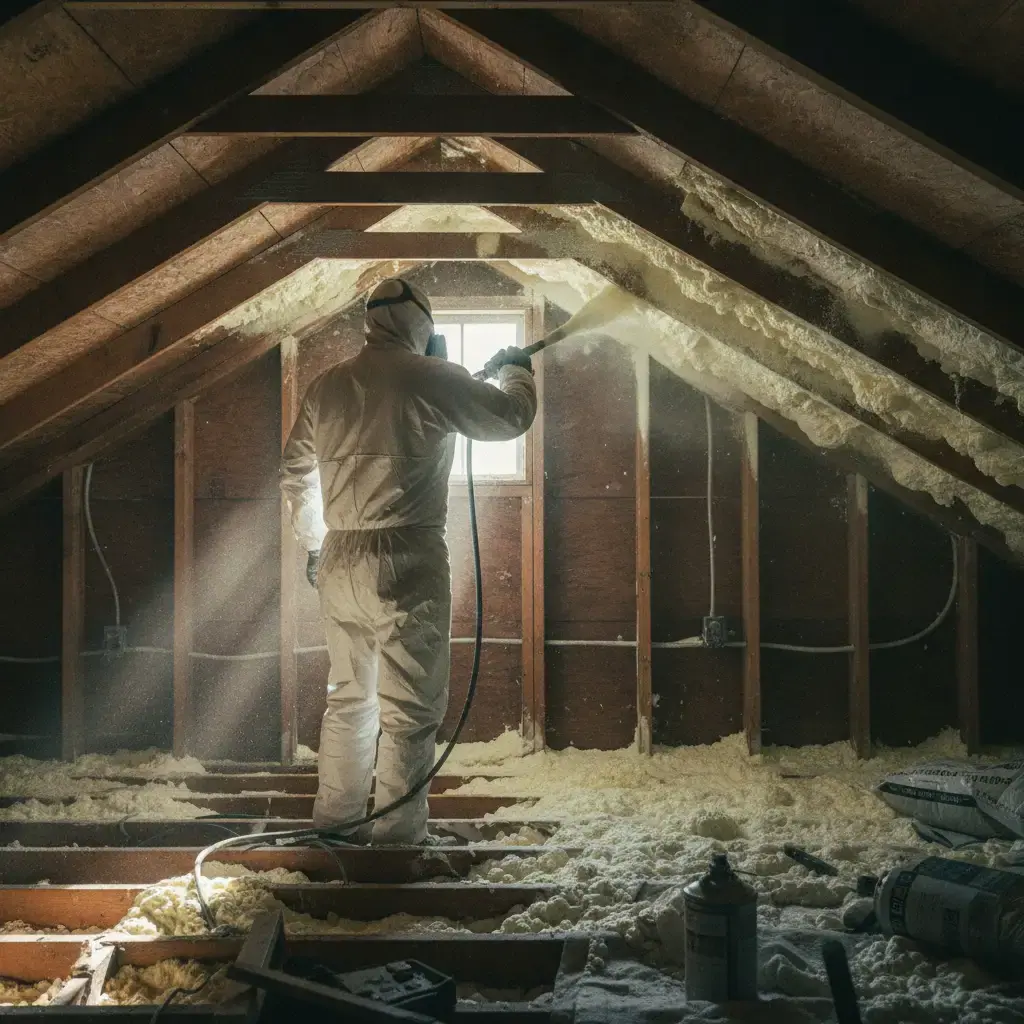
Basement Insulation in Calabasas, CA
Energy-Saving Basement Insulation for Calabasas, CA Homes — Licensed & Insured
Get expert basement insulation in Calabasas, CA. Best Price Insulation offers spray foam, batts & more. Call (818) 696-4154 for a free estimate today.
Basement insulation is the process of installing thermal and moisture barriers along basement walls, floors, and ceilings to regulate indoor temperatures, prevent energy loss, and protect your home’s structural integrity. In Calabasas, CA — a city nestled between the Santa Monica Mountains and the Simi Hills — basements and below-grade spaces face a unique combination of coastal marine air, seasonal wildfire smoke infiltration, and the dramatic temperature swings that accompany a Mediterranean climate zone. Evening temperatures can drop 25°F or more below daytime highs, putting uninsulated basements under constant thermal stress.
At Best Price Insulation, we specialize in delivering professional basement insulation solutions tailored specifically to Calabasas homes, from the luxury estates of North Ranch to the hillside properties along Las Virgenes Road. Our team understands local building codes, soil moisture patterns, and the architectural demands of homes throughout the Conejo and Las Virgenes valleys. Call us today at (818) 696-4154 to schedule your free assessment.
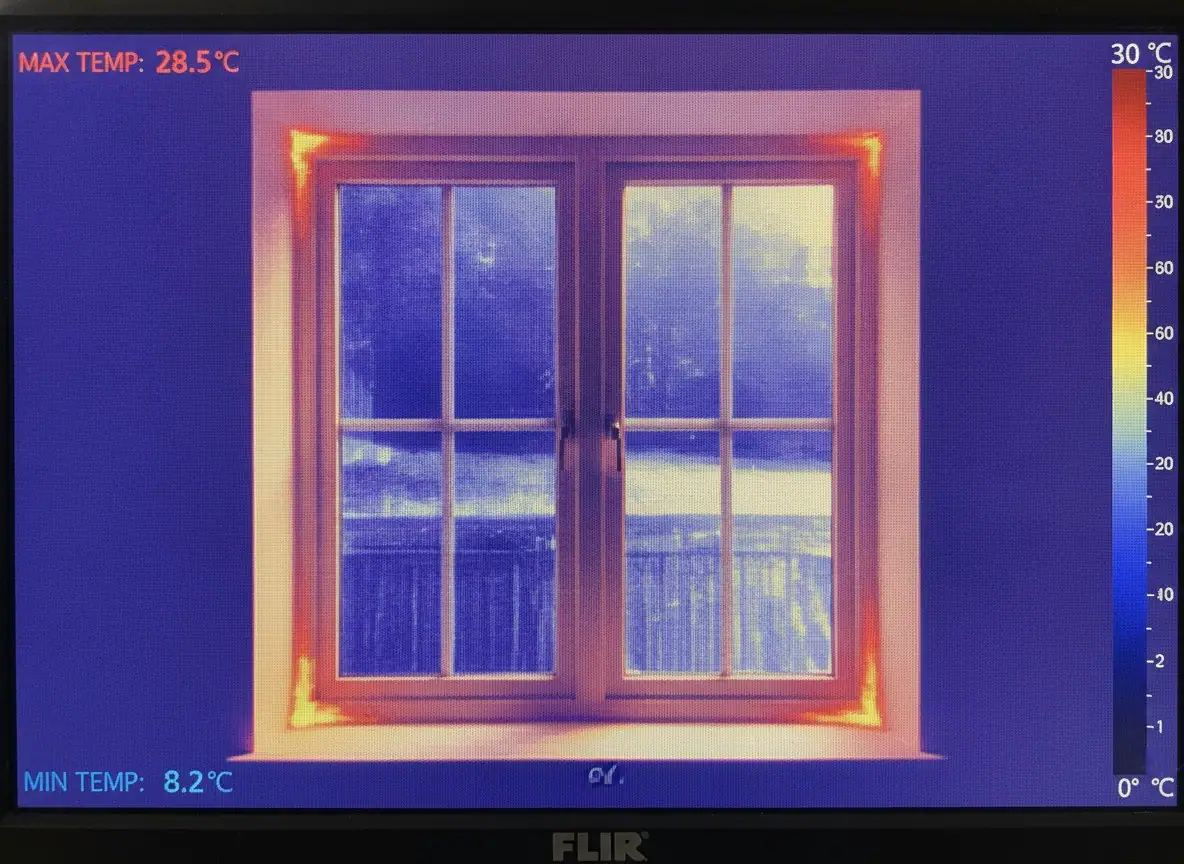
Understanding Basement Insulation in Calabasas, CA
Basement insulation refers to the installation of insulating materials — including spray foam, rigid foam boards, fiberglass batts, and blown-in cellulose — within a home’s basement or below-grade space to create a continuous thermal envelope. This envelope separates conditioned living space from unconditioned areas and the surrounding ground, dramatically improving a home’s energy efficiency and comfort year-round.
Historically, many homes built in the greater Calabasas area during the 1970s and 1980s — particularly during the rapid suburban expansion that followed the completion of the 101 Freeway corridor — were constructed with minimal basement insulation standards that have since been superseded by California’s Title 24 Building Energy Efficiency Standards. Homes built before 1978 in neighborhoods such as Mulwood and the western edges of Woodland Hills often have little to no effective basement insulation remaining, as original fiberglass batt systems have compressed, absorbed moisture, or been damaged by pests over decades of use.
Read moreShow less
In Calabasas specifically, the prevalence of custom hillside construction introduces additional complexity. Many homes along the Santa Monica Mountain foothills are built on stem wall foundations or partial basements carved into decomposed granite hillsides — conditions that create unique thermal bridging challenges not commonly found in flat-terrain suburbs. The City of Calabasas incorporated in 1991, and much of its residential stock predates modern insulation requirements, making retrofitting particularly important across the community.
Modern basement insulation systems address several distinct functions simultaneously: thermal resistance measured in R-values (California’s Title 24 currently requires a minimum of R-13 for basement walls in Climate Zone 9, which covers Calabasas), vapor management to prevent condensation within wall assemblies, air sealing to block infiltration of outdoor air, and acoustic dampening to reduce sound transmission between floors. Understanding which combination of functions your specific basement requires is the foundation of any effective insulation project.
Proper basement insulation also plays a critical role in preventing conditions that lead to mold growth, wood rot, and pest infestations — all of which are concerns in the Calabasas area given its proximity to natural open spaces and the moisture fluctuations associated with its climate. Learn more about crawl space insulation solutions
Why Basement Insulation Is Needed in Calabasas, CA
Mediterranean Climate Extremes and Diurnal Temperature Swings
Calabasas sits in Climate Zone 9 under California’s Title 24 framework, characterized by hot, dry summers and mild, wet winters. Summer temperatures in the Las Virgenes Valley regularly exceed 100°F, while nighttime lows in January can dip to 38–42°F. This daily temperature swing of 20–30°F creates repeated thermal expansion and contraction cycles that stress uninsulated basement walls and floor slabs. An uninsulated basement can account for up to 15–20% of a home’s total heating and cooling load under these conditions, translating directly into elevated utility bills for Calabasas homeowners served by Southern California Gas and Southern California Edison.
Woolsey Fire Aftermath and Smoke Infiltration
The November 2018 Woolsey Fire burned over 96,949 acres across the Santa Monica Mountains, directly threatening and in some cases destroying homes in neighborhoods including Hidden Hills, Calabasas Highlands, and the Monte Nido corridor. Beyond direct fire damage, the fire event — and subsequent annual wildfire seasons — highlighted a critical issue: homes with poor basement air sealing allow smoke particulates, ash, and toxic combustion byproducts to infiltrate below-grade spaces. Spray foam insulation applied to basement rim joists and wall assemblies creates an effective barrier against smoke infiltration during future fire events, a protection increasingly valued by Calabasas residents living adjacent to open space preserves.
Las Virgenes Municipal Water District and Moisture Management
Calabasas receives approximately 18 inches of annual rainfall, concentrated heavily in the December–March window. Much of the city’s residential development sits on hillside lots with decomposed granite and clay-heavy soils that have poor drainage characteristics. Following heavy rain events — such as the atmospheric river storms of January and February 2023, which brought over 10 inches of rain in a matter of weeks — basement walls in homes throughout the Mulwood, Calabasas Park, and Parkway Calabasas neighborhoods experienced hydrostatic pressure increases that drove moisture through concrete block and poured concrete walls. Without a proper vapor barrier integrated into the insulation system, this moisture is absorbed by fiberglass insulation, reducing its effective R-value by as much as 40% and creating conditions ideal for mold colonization.
Aging Housing Stock Near Las Virgenes Road Corridor
A significant portion of Calabasas’s residential inventory consists of homes built between 1972 and 1992 along the Las Virgenes Road and Agoura Road corridors. These homes were built under significantly less stringent California energy codes than those in effect today. Original insulation systems in these properties have been compressing and settling for 30–50 years, with effective R-values often measuring as low as R-4 to R-6 in basement wall assemblies — less than half the current Title 24 minimum. Replacing this degraded insulation not only brings homes into compliance but delivers measurable reductions in monthly energy costs that typically range from $80 to $180 per month for an average Calabasas home with a conditioned basement.
Free, no-obligation estimates
Talk to Best Price Insulation
Tell us what you need and we’ll take it from there.
Signs You Need Basement Insulation in Calabasas
Temperature and Comfort Issues
- Basement or lower floor rooms that feel noticeably colder than upper floors during winter months, with temperature differentials exceeding 8–10°F
- Floors above the basement that feel cold to the touch even when the heating system is running
- HVAC system running continuously to maintain target temperatures, particularly during Calabasas’s hot summers when outdoor temperatures exceed 95°F
- Drafts detectable near basement windows, rim joists, or utility penetrations
Moisture and Structural Warning Signs
- Visible condensation on basement walls or concrete floor slabs, particularly following rainfall events
- Efflorescence — white mineral deposits — on concrete or block walls indicating water migration
- Musty or earthy odors emanating from the basement, especially during and after the winter rainy season
- Visible mold growth on existing insulation, framing members, or drywall surfaces
- Deteriorating or sagging fiberglass batt insulation between floor joists
Energy and Cost Indicators
- Monthly utility bills that have increased significantly without a corresponding change in usage habits
- Energy audits or HERS ratings indicating below-average performance for a home of your size and vintage
Urgent action is warranted if you observe active mold colonies, water intrusion through basement walls, or pest evidence in existing insulation, as these conditions will worsen rapidly without intervention. Learn about our insulation removal services
Basement Insulation Methods and Approaches
Spray Foam Insulation
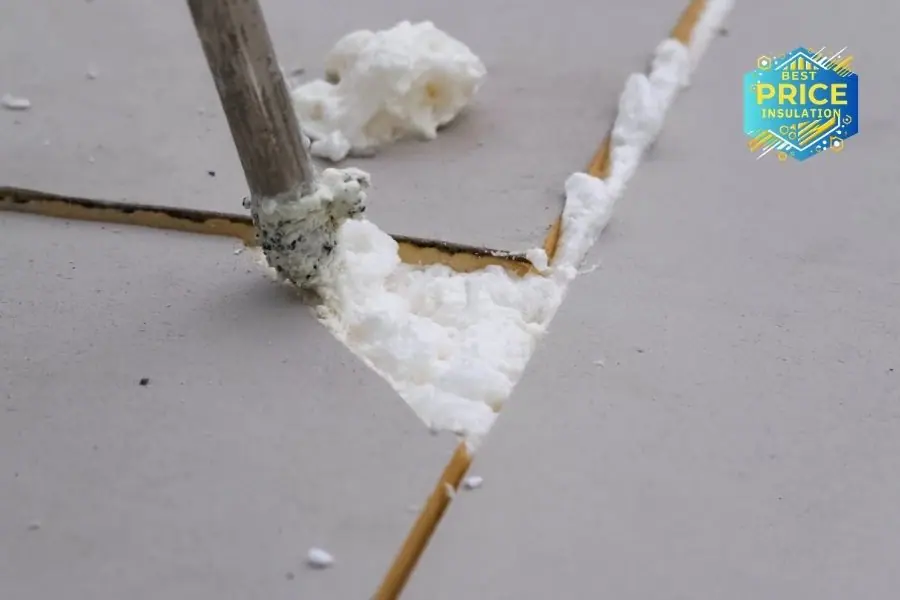
Closed-cell spray polyurethane foam is our most frequently recommended solution for Calabasas basement walls and rim joists. Applied at a thickness of 2 inches, closed-cell spray foam achieves R-12 to R-13 while simultaneously providing a Class II vapor retarder — essential in Calabasas’s seasonally wet climate. It also adds structural rigidity to basement wall assemblies. Open-cell spray foam is appropriate for interior applications where vapor management is handled separately. Learn more about our spray foam insulation services
Rigid Foam Board Insulation
Extruded polystyrene (XPS) or polyisocyanurate rigid boards installed against basement walls provide excellent thermal resistance (R-5 per inch for XPS) and are highly resistant to moisture absorption — an important characteristic for Calabasas basements that experience seasonal hydrostatic pressure. Rigid board systems are particularly well-suited for finished basement projects where framing will be installed over the insulation.
Fiberglass Batt Insulation
Kraft-faced fiberglass batts installed between basement wall framing members remain a cost-effective option for Calabasas homes with dry, well-drained basements and existing framed wall systems. Achieving R-13 to R-15 in standard 2×4 framing, batt insulation is most effective when paired with a dedicated vapor barrier and thorough air sealing at all penetrations. Explore all our insulation installation options
Blown-In Insulation
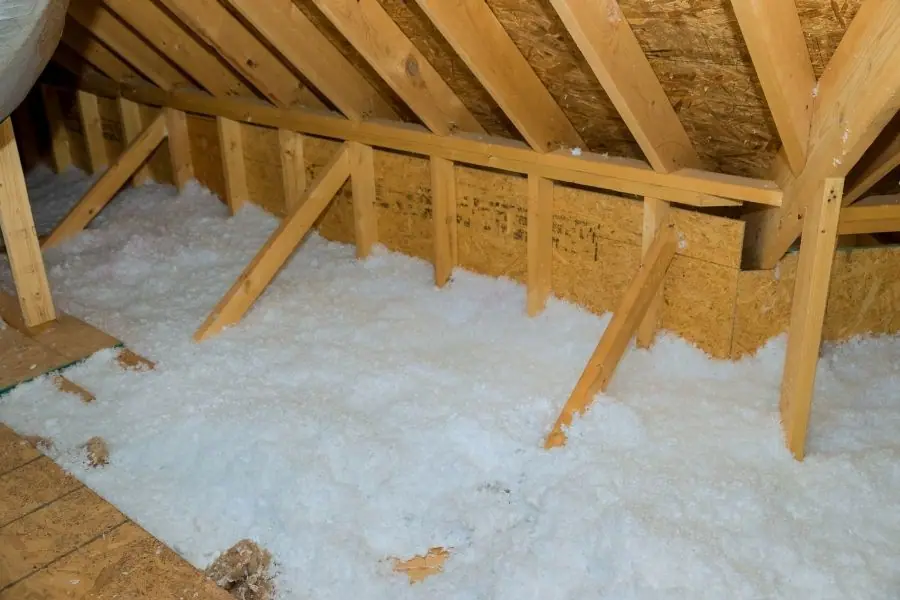
Blown cellulose or fiberglass is appropriate for insulating basement ceilings (the floor above an unconditioned basement) or for dense-packing existing wall cavities in older Calabasas homes where opening finished surfaces is impractical. Learn about our blow-in insulation services
Basement Insulation Cost in Calabasas, CA
Understanding the cost of basement insulation in Calabasas requires accounting for several variables specific to the local market, your home’s construction, and the insulation method selected.
Typical Price Ranges
- Fiberglass Batt Insulation: $1.50–$3.00 per square foot installed, or $1,500–$4,500 for a typical 1,000–1,500 square foot Calabasas basement
- Blown-In Insulation (ceiling application): $2.00–$4.00 per square foot, or $2,000–$6,000 for a standard basement ceiling
- Rigid Foam Board: $3.00–$6.00 per square foot installed, with costs rising for thicker applications
- Closed-Cell Spray Foam: $5.00–$9.00 per square foot, with a typical Calabasas basement rim joist and wall treatment ranging from $3,500–$8,000
- Insulation Removal (prior to replacement): $1.00–$2.50 per square foot, typically adding $800–$3,000 to the project total
Read moreShow less
Calabasas-Specific Cost Factors
Labor costs in Calabasas and the broader 91302 zip code reflect Los Angeles County prevailing wage conditions and are typically 15–25% higher than national averages. Homes on hillside lots along Calabasas Highlands Drive or within the gated communities of The Oaks or Mountain View Estates may incur additional access fees. Permit fees through the City of Calabasas Building and Safety Division add approximately $200–$600 depending on project scope.
California’s TECH Clean California rebate program and Southern California Edison’s energy efficiency incentive programs may reduce your net cost by $300–$1,500 depending on the insulation method and R-value achieved. Contact us at (818) 696-4154 for a detailed, no-obligation estimate specific to your property.
Calabasas Neighborhoods We Serve
Calabasas Park and Mulwood (1970s–1980s Construction)
Homes in Calabasas Park and Mulwood represent some of the oldest residential stock in the city, built primarily between 1972 and 1985 with single-wythe concrete block or poured concrete basement walls. These homes frequently require complete insulation replacement combined with vapor barrier installation to address decades of moisture migration through block wall assemblies.
Calabasas Highlands and The Oaks (1990s–2000s Custom Homes)
Larger custom-built homes in Calabasas Highlands and The Oaks at Calabasas — many exceeding 5,000 square feet — feature deeper basements and more complex mechanical room configurations. These properties benefit most from closed-cell spray foam applications that address both thermal performance and the structural benefits important in hillside construction zones.
North Ranch and Hidden Hills (Mixed Eras)
The North Ranch community in Westlake Village and the adjacent Hidden Hills enclave feature homes ranging from 1970s ranch-style to contemporary new builds. Below-grade wine cellars and home theater basements are common in these luxury properties and require specialized humidity-controlled insulation approaches. We also serve the broader Calabasas insulation service area with comprehensive solutions.
Basement Insulation Maintenance Tips for Calabasas Homeowners
- Annual moisture inspection: Each October — before the Calabasas rainy season begins — inspect basement walls for efflorescence, staining, or damp spots that could indicate foundation seepage that will stress your insulation system.
- Post-storm checks: After significant rainfall events (common January–March in Calabasas), inspect basement insulation for signs of moisture absorption, especially in fiberglass batt systems.
- Inspect for pest intrusion: Calabasas’s proximity to the Santa Monica Mountains Conservancy open space means rodent and insect pressure on basement insulation is ongoing. Check quarterly for nesting or tunneling in insulation materials.
- Maintain gutters and grade: Ensure downspouts discharge at least 6 feet from your foundation and that soil grades slope away from the home — critical steps in managing the clay soil drainage challenges common in Calabasas.
- Monitor HVAC performance: A sudden increase in heating or cooling run time can indicate insulation degradation. Schedule an energy audit every 5–7 years.
- Check vapor barriers: Inspect any exposed polyethylene vapor barriers on basement floors or walls annually for tears, punctures, or disconnected seams.
- Verify air sealing continuity: After any utility work or plumbing repairs in basement spaces, verify that spray foam seals around new penetrations remain intact.
Why Choose Best Price Insulation for Basement Insulation in Calabasas
Best Price Insulation brings deep, hands-on expertise in the specific challenges facing Calabasas homeowners — from the clay-heavy soils of the Las Virgenes Valley to the wildfire-adjacent conditions of Calabasas Highlands and Monte Nido. Our teams are intimately familiar with the City of Calabasas Building and Safety Division’s permit requirements and California Title 24 Climate Zone 9 compliance standards, ensuring your project is completed correctly and documented for future real estate transactions.
We serve the full range of Calabasas’s architectural diversity, from 1970s concrete block construction in Mulwood to contemporary luxury custom homes in The Oaks. Every project begins with a thorough diagnostic assessment rather than a one-size-fits-all sales approach. We offer competitive, transparent pricing with detailed written estimates — no surprises at project completion.
Our service area extends throughout the greater Calabasas region, including Agoura Hills, Westlake Village, Thousand Oaks, and Malibu. Call us at (818) 696-4154 to speak with a local insulation specialist today.
FAQ
Frequently Asked Questions: Basement Insulation in Calabasas, CA
How much does basement insulation cost in Calabasas, CA?
Costs vary by method and basement size, but Calabasas homeowners typically invest between $1,500 and $8,000 for a complete basement insulation project. Spray foam applications for rim joists and walls in a typical 1,200 square foot Calabasas basement range from $3,500–$7,000. Fiberglass batt systems start around $1,500 for smaller spaces. We provide free, detailed written estimates specific to your property and basement configuration. Contact us at (818) 696-4154 to schedule yours.
Do I need a permit for basement insulation in Calabasas?
In most cases, yes. The City of Calabasas Building and Safety Division requires permits for insulation work that involves wall assembly changes or spray foam installation in habitable spaces. Permit fees typically range from $200–$600. Our team handles all permit documentation and inspections on your behalf, ensuring your project is fully compliant with current California Title 24 and local code requirements.
How long does basement insulation installation take in Calabasas?
Most residential basement insulation projects in Calabasas are completed within 2–4 days from start to final inspection. This timeline includes the assessment day, any necessary moisture remediation coordination, removal of existing degraded insulation, air sealing, insulation installation, and quality verification. Larger estates or homes requiring extensive remediation may require 5–7 days.
What R-value is required for basement walls in Calabasas?
Calabasas falls within California’s Title 24 Climate Zone 9. Current standards require a minimum of R-13 for basement and below-grade wall insulation in new construction and qualifying renovation projects. We recommend targeting R-15 to R-19 for optimal performance given Calabasas’s significant seasonal temperature swings and the prevalence of energy-intensive HVAC systems in the area’s larger homes.
Is spray foam insulation better than fiberglass batts for a Calabasas basement?
For most Calabasas basements — particularly those in homes adjacent to open space, on hillside lots, or in neighborhoods with documented moisture challenges like Calabasas Park — closed-cell spray foam provides superior performance. It offers moisture resistance, air sealing, and vapor management in a single application. Fiberglass batts are appropriate for well-drained, lower-humidity basement environments and offer a cost advantage where moisture management is less critical. Our assessment process determines the best approach for your specific conditions. Learn more about spray foam insulation
Can basement insulation help with smoke infiltration during Calabasas wildfire season?
Yes. Properly applied closed-cell spray foam at rim joists, wall penetrations, and utility openings significantly reduces the infiltration of wildfire smoke, ash, and particulates into below-grade spaces. Following the 2018 Woolsey Fire and subsequent fire seasons, this has become an increasingly important consideration for Calabasas homeowners living near the Santa Monica Mountains open space boundaries. Air sealing as part of a basement insulation project directly addresses this risk.
Do you serve areas near Calabasas, such as Agoura Hills and Westlake Village?
Yes. Best Price Insulation serves the full Conejo and Las Virgenes Valley region, including Agoura Hills, Westlake Village, Thousand Oaks, Moorpark, Hidden Hills, Monte Nido, Topanga, Malibu, Pacific Palisades, Woodland Hills, and West Hills, in addition to Calabasas. Call us at (818) 696-4154 to confirm service availability for your specific address.
How do I know if my existing basement insulation needs to be replaced?
Key indicators in Calabasas homes include fiberglass batts that appear compressed, yellowed, or discolored; visible mold on insulation surfaces or framing; a musty odor in the basement; rising utility bills without a usage change; and moisture readings above 16% on wood substrates. Homes built before 1990 in Calabasas should receive a professional assessment regardless of visible condition, as original insulation systems in this housing vintage rarely meet current California energy code minimums. Learn about our insulation removal and replacement services
Get a Free Basement Insulation Estimate in Calabasas Today
Whether you’re dealing with rising energy bills, moisture infiltration after the winter rainy season, or simply want to bring your Calabasas home up to current California Title 24 energy standards, Best Price Insulation is ready to help. Our local team serves Calabasas, Agoura Hills, Westlake Village, Hidden Hills, Malibu, and all surrounding communities with professional, code-compliant basement insulation solutions.
Don’t let another season of extreme Calabasas temperatures — or another wildfire season — pass with an underperforming basement. Contact us today for your free, no-obligation assessment and written estimate.
We’re available Monday through Saturday to schedule your consultation at a time that works for you. Serving Calabasas and the greater Las Virgenes Valley — your local basement insulation specialists.
Get in touch
Find insulation help near you
Request a free estimate online or give us a call — our team will follow up quickly.
- Call us(818) 696-4154
- Visit26635 W Agoura Rd, Calabasas, CA 91302
- HoursMon-Sun 07:00-19:00