
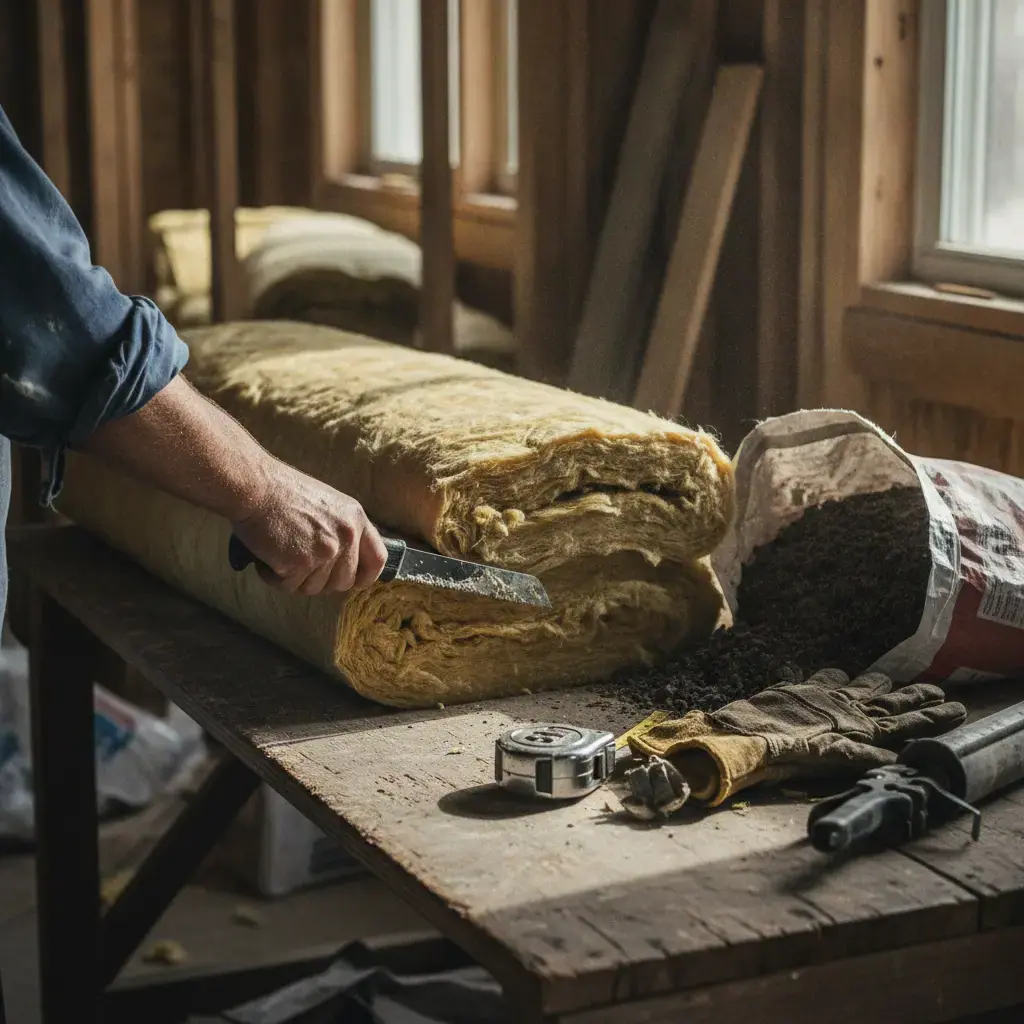
Crawl Space Encapsulation Cost in Calabasas, CA
Transparent Crawl Space Encapsulation Cost Pricing for Calabasas, CA Homeowners — Free Estimates
Get accurate crawl space encapsulation costs in Calabasas, CA. Best Price Insulation offers free estimates, local expertise & full encapsulation services. Call (818) 696-4154.
Crawl space encapsulation is the process of sealing your home’s crawl space with a heavy-duty vapor barrier, insulation, and moisture control systems to prevent humidity, mold, pests, and structural damage from compromising your living environment. In Calabasas, CA — where seasonal marine fog rolls in from the Pacific through Malibu Canyon and summer heat bakes exposed foundations — encapsulation is not a luxury but a practical necessity for long-term home protection.
Calabasas sits at the intersection of the Santa Monica Mountains and the San Fernando Valley, creating a microclimate that drives moisture deep into unprotected crawl spaces. Homes built throughout the hillside neighborhoods of North Ranch and The Oaks face particular vulnerability. At Best Price Insulation, we specialize in crawl space encapsulation services tailored to the unique environmental conditions of Calabasas and the surrounding communities. Our team understands local soil compositions, building codes specific to Los Angeles County, and the moisture patterns that affect homes throughout this region.
Understanding Crawl Space Encapsulation
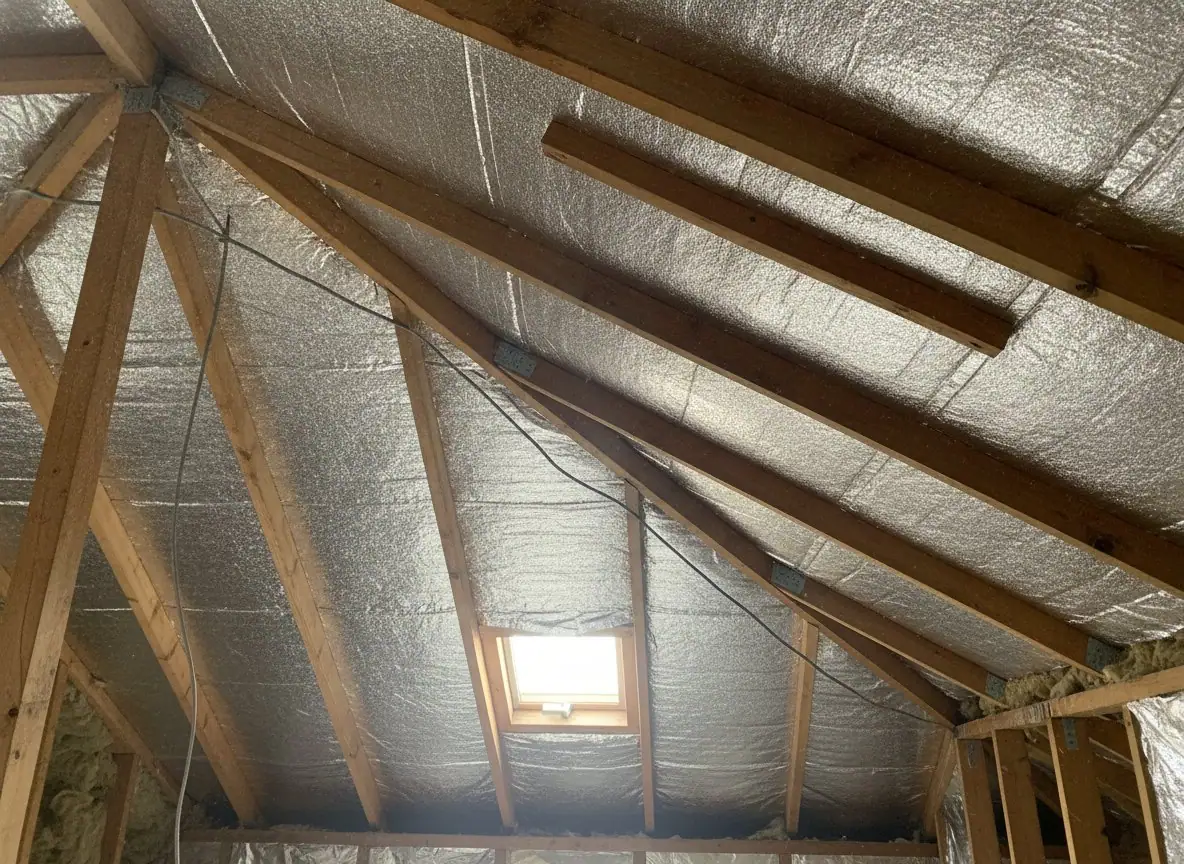
Crawl space encapsulation is a comprehensive moisture management system that transforms an open, vented crawl space into a clean, sealed environment. Unlike simple vapor barriers placed loosely on a dirt floor, full encapsulation involves covering every surface — floor, walls, and sometimes the ceiling — with reinforced polyethylene sheeting, typically ranging from 10 to 20 mils in thickness. The seams are sealed with specialized tape, and penetrations around pipes and posts are carefully addressed to eliminate any pathways for moisture intrusion.
The concept of crawl space encapsulation emerged as a building science discipline in the early 2000s, when research by institutions like the Advanced Energy Corporation demonstrated that sealed crawl spaces dramatically outperformed traditional vented crawl spaces in controlling humidity, improving indoor air quality, and reducing energy costs. The U.S. Department of Energy subsequently updated its recommendations, and California building codes have continued to evolve to acknowledge the benefits of encapsulated systems in moisture-prone zones.
Read moreShow less
In Calabasas, most residential construction falls into three primary categories: the ranch-style homes from the 1960s and 1970s built along Las Virgenes Road and Mulholland Highway corridors, the larger custom estates constructed in gated communities like The Oaks and Mountain View Estates during the 1980s and 1990s, and the newer planned developments such as Calabasas Park Estates built into the hillsides through the 2000s. Many of these homes feature raised foundations with crawl spaces ranging from 18 inches to over 4 feet in depth — all of which are susceptible to the specific moisture and climate challenges of this ZIP code (91302 and 91372).
Encapsulation is commonly paired with crawl space insulation to maximize thermal performance, and in some cases, a dehumidifier or sump pump system is added to actively manage moisture levels year-round. The goal is to keep relative humidity in the crawl space below 60% — the threshold at which mold and wood rot become active threats.
Why Crawl Space Encapsulation Is Needed in Calabasas, CA
Marine Layer and Seasonal Fog Penetration
Every morning from roughly May through September, Calabasas experiences the “June Gloom” marine layer that funnels inland through the Malibu Canyon corridor. This cold, saturated air regularly drops relative humidity to above 85% in the early morning hours, even when afternoon temperatures climb to 90°F or higher. Crawl spaces beneath homes in Monte Nido and Topanga — which are lower in elevation and closer to the canyon ingress — experience humidity fluctuations of 40 to 60 percentage points in a single 24-hour period. This repeated expansion and contraction of moisture in the air causes condensation to form on wood floor joists, metal fasteners, and HVAC ducts running through the crawl space.
Soil Composition Along the Santa Monica Mountains Foothills
The soils beneath Calabasas homes vary significantly depending on proximity to the foothills. Expansive clay soils — classified as Huerhuero clay loam and Castaic silty clay — are prevalent throughout the ridgeline communities of North Ranch and Hidden Hills. These soils absorb water slowly and release it even more slowly, meaning that seasonal rains from November through March essentially create a reservoir beneath foundations that continuously off-gasses moisture upward into crawl spaces. Soil reports from developments like Calabasas Highlands frequently note expansive soil conditions requiring special foundation engineering, and that same soil composition directly drives crawl space moisture problems.
Historical Flood and Storm Events
The atmospheric river events of January and February 2023 brought record rainfall to Los Angeles County, with Calabasas recording over 11 inches of precipitation in a single two-week period according to the Los Angeles County Department of Public Works. This event flooded numerous crawl spaces throughout the Las Virgenes Municipal Water District service area, damaging vapor barriers, saturating insulation, and triggering widespread mold growth. Earlier, the February 2019 storms also caused significant crawl space flooding in lower-elevation neighborhoods near Calabasas Creek and along Agoura Road. Homes without proper encapsulation during these events sustained an average of $8,000 to $22,000 in crawl space-related damage according to local restoration contractors.
Wildfire Smoke and Post-Fire Soil Hydrophobicity
Following the Woolsey Fire of November 2018, which burned across 96,949 acres through Malibu, Agoura Hills, and directly along the Calabasas perimeter, soil hydrophobicity became a documented issue in the foothills above Highway 101. Burned soils repel water on the surface, causing runoff to concentrate along foundation lines and infiltrate crawl spaces through grade-level vents. Homes in the Calabasas Highlands and Monte Nido communities that border the burn scar continued to experience increased crawl space flooding for two to three seasons following the fire.
Temperature Differentials and Stack Effect
Calabasas summers regularly see high temperatures between 95°F and 108°F in inland-facing areas near Ventura Freeway, while crawl spaces remain at 60°F to 68°F. This 30–40°F differential creates a powerful stack effect that draws outside air through foundation vents, depositing moisture-laden air directly onto cooler surfaces below the living space. This physics-driven cycle is continuous and unrelenting without proper encapsulation.
Free, no-obligation estimates
Talk to Best Price Insulation
Tell us what you need and we’ll take it from there.
Signs You Need Crawl Space Encapsulation in Calabasas
Moisture and Mold Indicators
- Musty or earthy odors noticeable from inside the home, especially in ground-floor rooms
- Visible mold or white efflorescence on foundation walls or floor joists
- Existing vapor barrier showing pooled water, tears, or displacement
- Condensation on HVAC ducts or pipes visible in the crawl space
Structural Warning Signs
- Soft or spongy spots in floors above the crawl space — common in 1970s-era homes along Las Virgenes Road
- Visible wood rot or darkened discoloration on floor joists
- Sagging subfloor sections, particularly near bathrooms and kitchens
- Rust on metal fasteners, straps, or ductwork within the crawl space
Energy and Comfort Symptoms
- Unexplained spikes in energy bills during summer cooling season
- Cold floors during Calabasas winter mornings, even with heating running
- Inconsistent room temperatures across the ground floor
Pest and Air Quality Concerns
- Evidence of rodent activity, insect nests, or termite damage in the crawl space
- Allergy symptoms worsening indoors — moisture drives dust mite and mold spore concentrations
If you observe two or more of these signs, prompt action is strongly recommended to prevent escalating structural and health costs.
Our process
Our Crawl Space Encapsulation Process in Calabasas
Best Price Insulation follows a structured, multi-step process designed specifically for the conditions found in Calabasas and the surrounding Santa Monica Mountains communities. Each phase is documented and completed with attention to local building requirements under the Los Angeles County Residential Code.
- 01
Free On-Site Inspection and Assessment (Day 1 — 1 to 2 hours)
Our technician conducts a full crawl space inspection, measuring humidity levels with a calibrated hygrometer, assessing existing insulation and vapor barrier condition, checking for mold or wood damage, and evaluating drainage patterns. We photograph all cond
- 02
Debris Removal and Old Vapor Barrier Extraction (Day 1–2 — 2 to 6 hours)
Any standing debris, damaged fiberglass batt insulation, and deteriorated vapor barrier material is removed and bagged for disposal. This step is especially involved in pre-1980 Calabasas homes where original insulation may contain materials that require caref
- 03
Mold Remediation Treatment if Needed (Day 2 — 1 to 3 hours)
When active mold is present on wood joists or foundation walls — a common finding after wet winters in Calabasas — we apply EPA-registered antimicrobial treatments and allow appropriate dwell and drying time before proceeding.
- 04
Ground Liner Installation (Day 2–3 — 3 to 8 hours depending on square footage)
We install a 20-mil reinforced polyethylene vapor barrier across the entire crawl space floor, overlapping seams by a minimum of 12 inches and sealing all seams with moisture-resistant tape. The liner is extended up and secured to foundation walls.
- 05
Wall Encapsulation and Vent Sealing (Day 3 — 2 to 4 hours)
Foundation walls are covered with liner material and all existing crawl space vents are sealed with rigid foam insulation plugs. In Calabasas homes located in high fire-hazard severity zones, vent sealing also helps reduce ember intrusion risk.
- 06
Insulation Installation on Walls and Rim Joists (Day 3–4 — 2 to 5 hours)
Rigid foam board or spray foam insulation is applied to foundation walls and rim joists to create a full thermal boundary. R-value targets meet California Title 24 energy code requirements.
- 07
Final Inspection, Humidity Monitoring Setup, and Documentation (Day 4 — 1 to 2 hours)
We conduct a final walkthrough, install a digital humidity monitor, and provide the homeowner with a complete written report and photos of completed work. Total project timeline: 2 to 4 days for most Calabasas homes.
Crawl Space Encapsulation Methods and Approaches
Full Encapsulation with 20-Mil Reinforced Liner
This is the most comprehensive and durable method, covering the floor and all foundation walls with heavy-duty polyethylene. Recommended for homes in moisture-intensive zones such as Monte Nido, Topanga, and lower Calabasas Creek drainage areas. Lifespan of 20 years or more with proper maintenance.
Partial Encapsulation with 10-Mil Liner
Suitable for homes with less severe moisture exposure, such as elevated lots on the ridge tops of North Ranch where drainage is better managed. Floor coverage only with perimeter vent sealing. More affordable entry point but may require earlier replacement in wetter years.
Encapsulation with Active Dehumidification
For homes with chronic high humidity — often necessary in below-grade or semi-subterranean crawl spaces common in hillside Calabasas custom homes — a commercial-grade dehumidifier rated for crawl space use is installed alongside the vapor barrier system. Units typically remove 70 to 90 pints of moisture per day and maintain relative humidity below 55%.
Encapsulation with Sump Pump Integration
In homes that experienced flooding during the January 2023 atmospheric river event or other storm events, a sump pit and pump system is integrated into the encapsulation design to actively remove any water that penetrates the barrier system before it can cause damage.
Combined Encapsulation and Spray Foam Insulation
For maximum energy efficiency in Calabasas homes with extreme summer-to-winter temperature swings, closed-cell spray foam insulation is applied to rim joists and foundation walls in conjunction with the vapor barrier system. This approach achieves R-values of R-13 to R-21 at the crawl space perimeter, significantly reducing energy loads. See our crawl space insulation page for full details.
Crawl Space Encapsulation Cost in Calabasas, CA
Understanding the cost of crawl space encapsulation in Calabasas requires accounting for several variables specific to this area. Below is a breakdown of typical price ranges and the factors that influence final project cost.
Typical Cost Ranges
- Basic partial encapsulation (10-mil liner, floor only): $1,500 – $3,000 for crawl spaces up to 1,000 sq ft
- Full encapsulation (20-mil liner, walls and floor): $3,000 – $7,500 for 1,000–2,500 sq ft
- Full encapsulation with dehumidifier: $5,000 – $10,000 depending on unit capacity and crawl space size
- Full encapsulation with sump pump system: $6,000 – $12,000 for larger or flood-prone Calabasas homes
- Combined encapsulation and spray foam insulation package: $7,000 – $15,000+ for large custom estates in North Ranch or The Oaks
Read moreShow less
Factors That Affect Cost in Calabasas
- Crawl space depth and accessibility: Hillside homes with shallow or irregularly shaped crawl spaces require more labor hours
- Existing damage: Mold remediation adds $500 – $3,000; wood repair adds $1,000 – $5,000+
- Liner thickness and material grade: 20-mil reinforced liner costs 30–40% more than 10-mil standard
- Square footage: Larger estates in gated communities typically run 2,000 – 4,000+ sq ft of crawl space
- Local permitting: Los Angeles County may require permits for vent closure modifications; permit fees average $150 – $400
Best Price Insulation provides free, no-obligation on-site estimates. Call (818) 696-4154 to schedule your assessment and receive a detailed line-item quote specific to your Calabasas home.
Calabasas Neighborhoods We Serve
North Ranch
Built primarily between 1978 and 1995, North Ranch features large custom homes on hillside lots with expansive clay soils and crawl spaces averaging 24 to 48 inches in depth. Homes here frequently require full encapsulation with active dehumidification due to the combination of soil moisture retention and deep crawl space volumes.
The Oaks of Calabasas
This gated community, developed in the 1990s and early 2000s, includes Mediterranean and Tuscan-style estates ranging from 3,500 to 9,000 square feet. Many homes have complex crawl space configurations with multiple access points and HVAC runs requiring careful encapsulation planning. We also serve areas including Hidden Hills and Agoura Hills nearby.
Calabasas Park Estates
Situated along the western edge of Calabasas near Las Virgenes Road, this neighborhood of 1960s and 1970s ranch homes has some of the oldest vapor barriers in the city — many original installations now over 40 years past their useful life. Insulation replacement and full re-encapsulation are common project types here.
Monte Nido and Topanga Adjacent Areas
These semi-rural communities bordering Calabasas city limits sit in low canyon zones with the highest ambient humidity readings in the area. Homes here almost universally require the most robust encapsulation systems with sump integration.
Crawl Space Encapsulation Maintenance Tips for Calabasas Homeowners
- Inspect annually after the rainy season (April–May): Following Calabasas’s November–March rain season, visually inspect the vapor barrier for tears, pooled water, or displaced sections.
- Monitor your digital hygrometer monthly: Keep relative humidity readings below 60% year-round. If readings exceed this threshold consistently, schedule a service call.
- Clean dehumidifier filters quarterly: Crawl space dehumidifiers in dusty Calabasas environments can clog filters faster — especially following Santa Ana wind events that drive fine particulate matter into foundation openings.
- Check sealed vents after seismic events: Los Angeles County averages dozens of minor earthquakes annually; verify that vent plugs and wall liner attachments remain intact after any felt event.
- Keep grade sloping away from the foundation: Soil settling is common in the expansive clay soils of North Ranch; re-grade as needed to prevent water ponding at foundation perimeter.
- Trim vegetation away from crawl space access points: Malibu sage and native chaparral regrowth near foundation vents can trap moisture and create pest harborage areas.
- Schedule a professional inspection every 3–5 years: Have a qualified contractor assess liner integrity, insulation condition, and drainage system performance. Contact Best Price Insulation at (818) 696-4154 to schedule your maintenance visit.
Why Choose Best Price Insulation for Crawl Space Encapsulation in Calabasas
Best Price Insulation is a locally operating contractor serving Calabasas and the greater San Fernando Valley and Santa Monica Mountains communities. Our team has hands-on experience with the specific soil types, moisture patterns, and building vintages found throughout the 91302 and 91372 ZIP codes.
We offer complete crawl space solutions — from initial encapsulation through insulation installation — all under one roof. Our service portfolio includes attic insulation, blow-in insulation, and insulation replacement, allowing us to address whole-home energy efficiency and moisture control in a single coordinated project.
Every project begins with a free, no-pressure on-site assessment. We provide detailed written estimates with line-item transparency — no hidden fees, no vague scope descriptions. Our technicians are familiar with Los Angeles County permitting processes and can assist homeowners in navigating any approvals required for vent closure work in high fire-hazard severity zones.
Read moreShow less
We proudly serve Calabasas and surrounding communities including Woodland Hills, West Hills, Agoura Hills, Westlake Village, Malibu, Thousand Oaks, and beyond. Call (818) 696-4154 today and speak directly with a local encapsulation specialist.
FAQ
Frequently Asked Questions: Crawl Space Encapsulation Cost in Calabasas, CA
How much does crawl space encapsulation cost in Calabasas?
In Calabasas, typical full encapsulation projects range from $3,000 to $7,500 for most single-family homes. Larger custom estates in North Ranch or The Oaks with crawl spaces exceeding 2,500 square feet may see costs between $8,000 and $15,000 when spray foam insulation and active dehumidification are included. Partial encapsulation for smaller or lower-moisture-risk crawl spaces can start as low as $1,500. The best way to get an accurate number is a free on-site estimate — call us at (818) 696-4154.
Is crawl space encapsulation worth the cost in Calabasas?
Absolutely. Given Calabasas’s marine layer humidity, expansive clay soils, and the damage documented after storm events like the January 2023 atmospheric rivers, encapsulation prevents costly repairs that average $8,000 to $22,000 for flood and mold damage. Additionally, encapsulated crawl spaces typically reduce heating and cooling energy use by 15–25%, providing measurable ongoing savings on utility bills.
How long does crawl space encapsulation take in Calabasas?
Most Calabasas residential projects are completed in 2 to 4 days. Homes with extensive mold remediation needs or complex layouts — common in hillside custom homes — may require up to 5 to 7 days total. We provide a specific timeline during the initial assessment.
Do I need a permit for crawl space encapsulation in Calabasas?
Los Angeles County may require a permit for sealing foundation vents, particularly in homes located in designated high fire-hazard severity zones that cover much of Calabasas north of Highway 101. Our team is familiar with the Los Angeles County Building and Safety permitting process and can advise you on whether your specific project requires approval. Permit fees typically range from $150 to $400.
Can crawl space encapsulation help with the musty smell in my Calabasas home?
Yes. Musty odors in Calabasas homes are most commonly caused by mold growth and off-gassing from damp soil in an unencapsulated crawl space. Studies in building science show that up to 40% of the air in a home’s ground floor originates from the crawl space below. Proper encapsulation, combined with mold remediation if needed, typically eliminates crawl space-sourced odors within weeks of project completion.
What is the difference between a vapor barrier and full encapsulation?
A standard vapor barrier is a thin sheet of plastic — often 6-mil — placed loosely on the crawl space floor. Full encapsulation uses thicker 12- to 20-mil reinforced liner that is taped at seams and extended up the foundation walls, with vents sealed. Full encapsulation provides dramatically superior moisture control and is the recommended approach for Calabasas homes given the local climate conditions.
Does crawl space encapsulation in Calabasas help with pest control?
Yes. A sealed, encapsulated crawl space significantly reduces the entry points and hospitable conditions that attract rodents, termites, and other pests. Post-Woolsey Fire, displaced wildlife and increased rodent activity around Calabasas foothills has made crawl space sealing an important part of pest prevention strategy in communities like Calabasas Highlands and Monte Nido.
Can Best Price Insulation also handle crawl space insulation during encapsulation?
Yes. We frequently combine encapsulation with crawl space insulation installation in a single project. Installing rigid foam board or spray foam on foundation walls and rim joists during encapsulation is the most cost-effective time to upgrade your crawl space’s thermal performance. Bundled projects also qualify for potential rebates through SoCal Gas or Southern California Edison energy efficiency programs.
Get a Free Crawl Space Encapsulation Estimate in Calabasas Today
Don’t let moisture, mold, or energy loss compromise your Calabasas home. Whether you’re dealing with the aftermath of a wet winter storm season, noticing signs of crawl space damage, or simply planning ahead to protect your investment, Best Price Insulation is ready to help with a complete, customized encapsulation solution.
We serve all of Calabasas — from North Ranch and The Oaks to Calabasas Park Estates and surrounding communities including Woodland Hills, Agoura Hills, Malibu, Westlake Village, and Thousand Oaks.
Call us now at (818) 696-4154 to schedule your free, no-obligation on-site crawl space assessment. Our local team will provide a transparent, line-item estimate the same day. Protect your home. Control your costs. Call Best Price Insulation.
Get in touch
Find insulation help near you
Request a free estimate online or give us a call — our team will follow up quickly.
- Call us(818) 696-4154
- Visit26635 W Agoura Rd, Calabasas, CA 91302
- HoursMon-Sun 07:00-19:00