
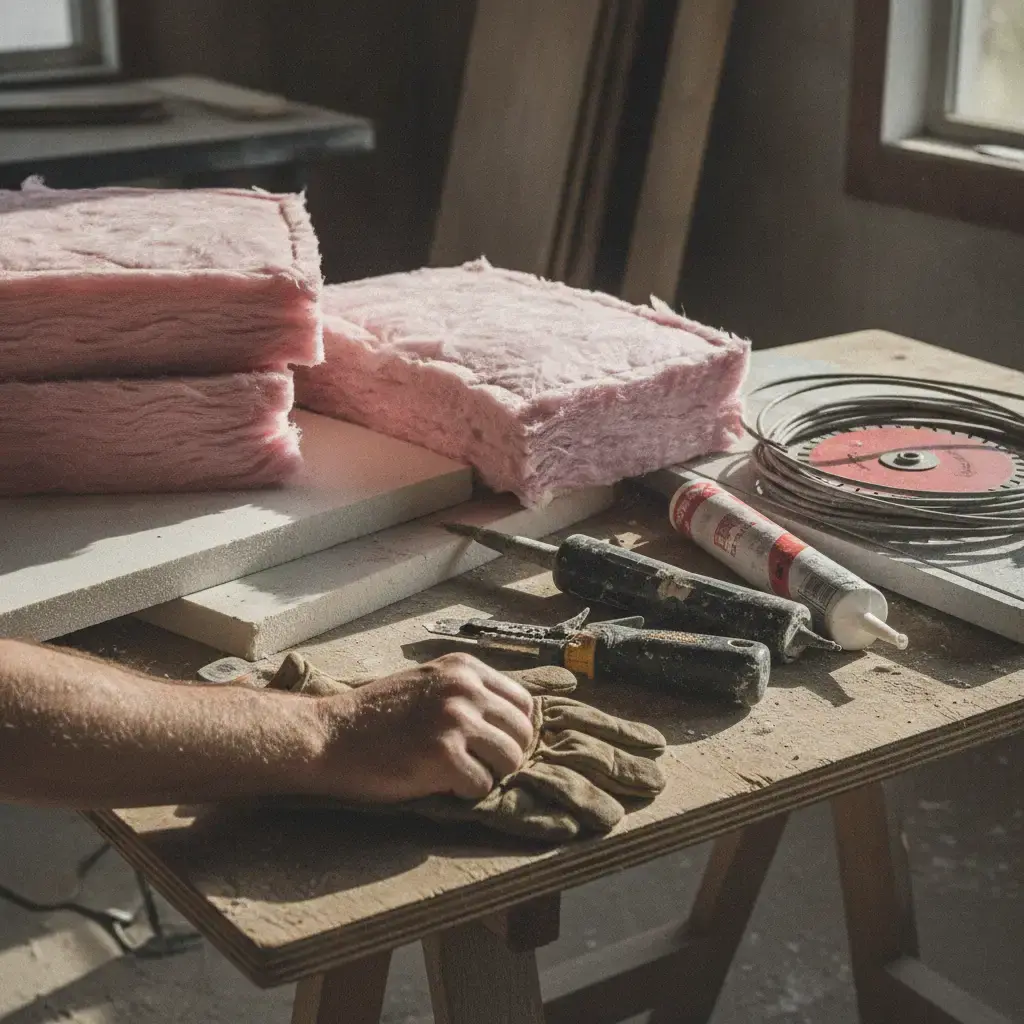
Cellulose Insulation in Calabasas, CA
Energy-Saving Cellulose Insulation for Calabasas, CA Homes — Licensed & Insured
Expert cellulose insulation in Calabasas, CA. Blown-in & dense-pack installs for attics & walls. Serving Calabasas & nearby areas. Call (818) 696-4154 today.
Cellulose insulation is a high-performance, eco-friendly insulation solution made from recycled paper fiber — typically 85% post-consumer recycled content — treated with borate compounds for fire and pest resistance. For homeowners and property owners in Calabasas, CA, cellulose insulation offers an ideal combination of thermal efficiency, soundproofing, and sustainability that aligns with the community’s environmentally conscious values.
Calabasas presents unique insulation challenges: the city sits in the western San Fernando Valley foothills where temperatures regularly swing from the upper 90s°F during dry summer heat waves to near-freezing winter nights, all compounded by the notorious Santa Ana wind conditions that accelerate heat loss and gain. The heavily wooded hillside neighborhoods, sprawling luxury estates, and older ranch-style homes scattered throughout the area each demand a tailored insulation approach.
Read moreShow less
At Best Price Insulation, we specialize in cellulose insulation installation across Calabasas and the surrounding region, delivering professional assessments, expert installation, and lasting energy savings for every property type. Call us at (818) 696-4154 to get started.
Understanding Cellulose Insulation
Cellulose insulation has a surprisingly long history — early forms of loose-fill cellulose were used in construction as far back as the 1920s, though the modern, fire-retardant version became mainstream after the energy crisis of the 1970s spurred demand for affordable, high-R-value insulation materials. Today, it is one of the most widely used insulation materials in residential and commercial construction across the United States.
Cellulose is produced by shredding and treating recycled paper products — primarily old newspapers and cardboard — into a fine, fibrous material. When treated with borate compounds (typically boric acid and sodium borate), cellulose becomes resistant to fire, mold, pests, and moisture. This makes it especially suitable for the dry, brush-fire-adjacent environment of Calabasas, where fire safety is always a paramount concern.
Read moreShow less
There are two primary forms of cellulose insulation used in residential and commercial buildings:
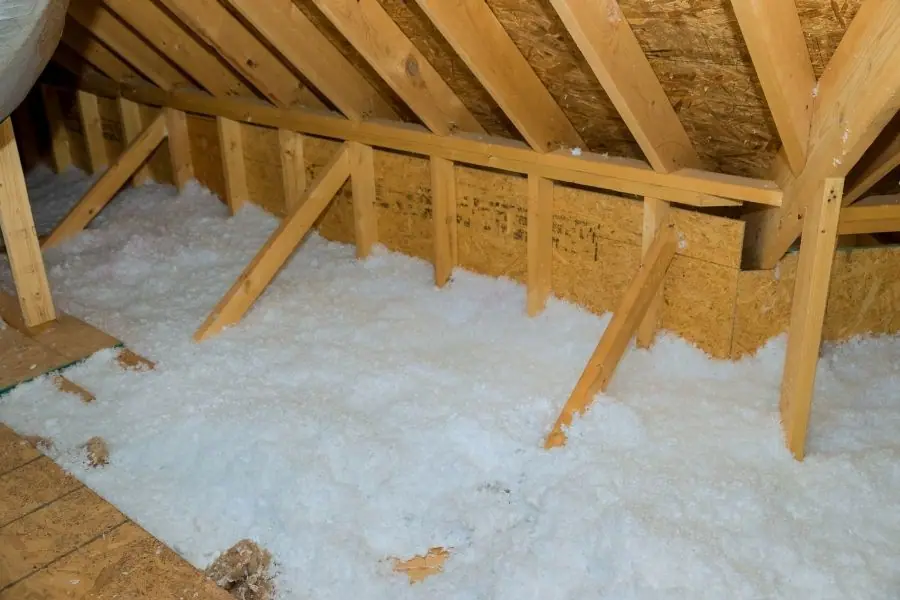
- Loose-Fill (Blown-In) Cellulose: Installed by blowing loose fibers into open attic spaces or through small holes drilled into existing wall cavities. This is ideal for retrofitting older Calabasas homes built in the 1960s through 1990s that lack adequate insulation.
- Dense-Pack Cellulose: Compressed at higher densities into wall cavities and enclosed spaces. Dense-pack provides superior air sealing and is especially effective for the older wood-frame ranch homes found along El Canon Avenue and Mulholland Highway corridor neighborhoods.
- Wet-Spray (Stabilized) Cellulose: Cellulose mixed with a small amount of water and adhesive, sprayed directly onto open wall cavities during new construction, where it dries in place with no settling.
In Calabasas, cellulose insulation is particularly prevalent in the large custom homes and gated community estates throughout areas like The Oaks and Calabasas Park, where homeowners prioritize both luxury comfort and energy efficiency. The material’s high recycled content also appeals to residents in a city that has adopted progressive environmental policies, including its long-standing commitment to sustainability in municipal planning.
Cellulose achieves an R-value of approximately R-3.2 to R-3.8 per inch, and when installed to the California Title 24 recommended attic depth of R-38 or higher, it delivers measurable reductions in heating and cooling costs — critical in a climate where HVAC systems work overtime for eight or more months per year.
Why Cellulose Insulation Is Needed in Calabasas, CA
Calabasas occupies a climatically demanding position in the greater Los Angeles region. Situated at the base of the Santa Monica Mountains along the U.S. 101 corridor, the city experiences temperature extremes that rival communities much farther inland. Summer highs routinely exceed 100°F — the notorious Calabasas heat dome effect, intensified by the valley bowl topography — while winter nights can drop to the mid-30s°F, particularly in elevated neighborhoods such as Monte Nido and Mulholland Estates.
The Woolsey Fire of November 2018 devastated much of the Calabasas and Malibu interface, burning more than 96,000 acres and destroying hundreds of structures throughout the Las Virgenes Road and Mulholland Highway corridors. In the rebuilding process, thousands of homeowners discovered that their original insulation had been compromised — not only by heat but by smoke infiltration, moisture intrusion from firefighting efforts, and the loss of air sealing. Cellulose insulation with its inherent fire resistance became a preferred rebuilding material in the post-Woolsey reconstruction phase across neighborhoods like Calabasas Hills and Malibu Lake Mountain Club.
Read moreShow less
Beyond wildfire, Santa Ana wind events — which routinely generate sustained winds of 35–60 mph through the Calabasas area, with gusts recorded above 80 mph during extreme events — create significant pressurization of building envelopes. Homes with degraded or insufficient insulation lose conditioned air rapidly during these events, spiking energy bills by an estimated 20–35% during major wind episodes. The gaps and voids that naturally develop in aging fiberglass batt insulation are particularly vulnerable to this pressurization-driven air infiltration.
The Las Virgenes Unified School District boundary area, which encompasses much of central Calabasas, includes a large number of homes built between 1975 and 1995 — a construction era predating California’s updated Title 24 energy codes. These homes were frequently insulated to minimum standards that no longer meet modern efficiency requirements. Thousands of these properties, especially those along Agoura Road, Park Sorrento, and Calabasas Road, have original fiberglass batts that have settled, compressed, or become moisture-contaminated over three to four decades.
Moisture is a compounding issue unique to Calabasas microclimates. The fog and marine layer that pushes inland from the Pacific through the Malibu Canyon corridor creates periodic high-humidity conditions in shaded hillside properties, particularly in the Monte Nido and Cold Canyon Road areas. Fiberglass insulation absorbs and retains this moisture, reducing its effective R-value by up to 40% when saturated. Cellulose, treated with hygroscopic borate compounds, manages moisture more effectively by absorbing and redistributing it without losing structural integrity or R-value performance.
Finally, the Southern California Gas Company service area that covers Calabasas has seen utility rates increase by over 40% in the past five years, making the return on investment for proper insulation installation faster than ever. A well-insulated Calabasas home with cellulose at R-49 in the attic can reduce annual HVAC energy consumption by 15–25%, translating to hundreds of dollars in annual savings for the large 2,500–5,000 sq ft homes common in the area.
Free, no-obligation estimates
Talk to Best Price Insulation
Tell us what you need and we’ll take it from there.
Signs You Need Cellulose Insulation in Calabasas
Energy and Comfort Indicators
- Monthly electricity bills that spike above $350–$500 during July–September heat waves despite normal usage patterns
- Rooms on the upper floor or south-facing side of the home that are consistently 5–10°F warmer or cooler than the rest of the house
- HVAC system running for extended cycles — more than 20 minutes continuously — without reaching the thermostat setpoint
- Drafts felt near electrical outlets, light switches, or recessed ceiling fixtures during Santa Ana wind events
Structural and Visual Indicators
- Attic insulation that appears gray, flat, or compacted to less than 5–6 inches in depth (indicating severe R-value loss)
- Visible fiberglass batts with dark streaking or discoloration, indicating air infiltration pathways and potential moisture contamination
- Evidence of rodent activity in the attic — a common issue in Calabasas hillside homes — which shreds and displaces batt insulation
- Water stains or damp odors in attic spaces following winter rain events or morning marine layer condensation
Urgency Indicators
- Home was built before 1990 and has never had an insulation upgrade or energy audit
- Property sustained smoke or fire exposure during the 2018 Woolsey Fire or subsequent brush fires in the Calabasas interface zone
- Recent HVAC replacement that revealed underlying insulation deficiencies noted by the contractor
Our process
Our Cellulose Insulation Installation Process in Calabasas
- 01
Comprehensive Property Assessment (1–2 Hours)
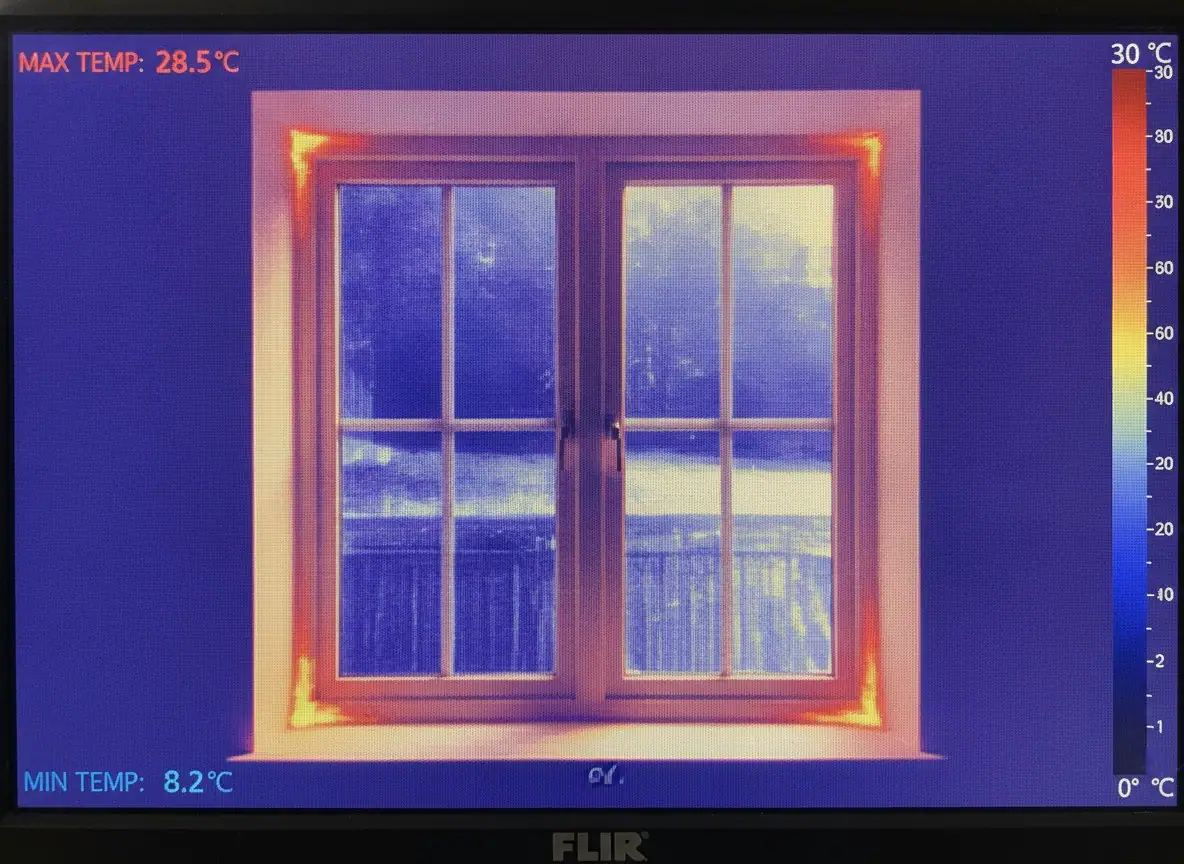
Our certified technicians begin with a thorough walkthrough of your Calabasas property, including attic inspection, wall cavity evaluation, and crawl space assessment where applicable. We use thermal imaging cameras to identify cold spots, air leakage pathways
- 02
Existing Insulation Evaluation and Removal (If Required) (Half to Full Day)
If existing insulation is contaminated, degraded, or pest-damaged — common in pre-1990 Calabasas homes — we perform complete insulation removal before installing new cellulose. This ensures your new installation performs to full specification. We vacuum-remove
- 03
Air Sealing and Preparation (2–4 Hours)
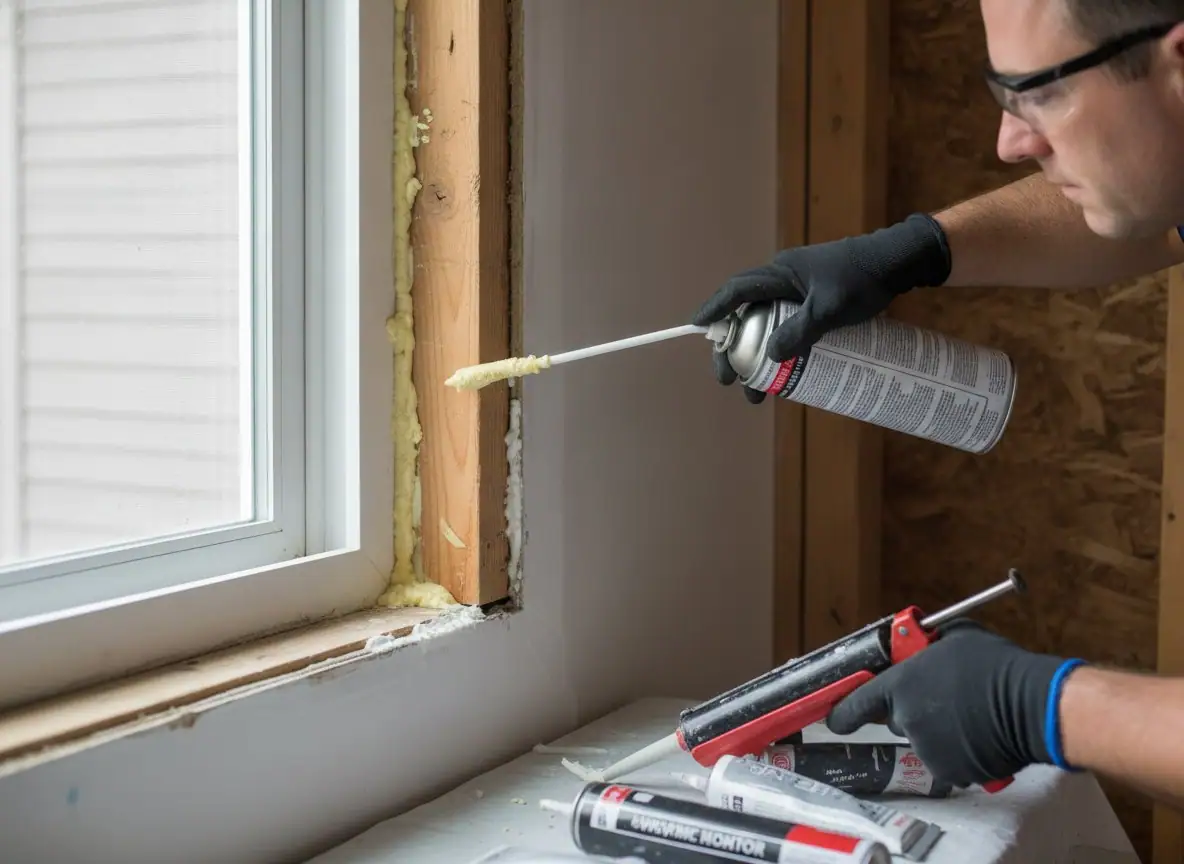
Before any cellulose is installed, we seal all attic bypasses — gaps around plumbing penetrations, electrical junction boxes, recessed lights, and top plates — using fire-rated foam or caulk. This step is especially critical in Calabasas homes built on hillsid
- 04
Cellulose Installation (2–6 Hours Depending on Scope)
Our crews install blown-in or dense-pack cellulose to the specified depth and density using calibrated blowing machines. For standard Calabasas attics, we install to a minimum of R-38 (approximately 10–11 inches) and recommend R-49 (approximately 13–14 inches)
- 05
Wall Cavity Dense-Pack (When Applicable) (Half to Full Day)
For whole-home upgrades, we drill small 2-inch access holes in each stud bay, inject dense-pack cellulose at 3.5 lbs/cubic foot density, then patch and finish the wall surface. This is a minimally invasive process well-suited to Calabasas homes with finished i
- 06
Post-Installation Verification and Documentation (1 Hour)
We provide a written installation report documenting installed R-values, material quantities, and air sealing locations — documentation useful for California Title 24 compliance records and potential utility rebate applications through Southern California Edis
- 07
Final Walkthrough and Client Education (30 Minutes)
We walk you through the completed work, explain maintenance expectations, and answer any questions about your Calabasas home’s improved energy profile and the expected comfort changes you’ll notice with the changing seasons.
Cellulose Insulation Methods We Use in Calabasas
Blown-In Loose-Fill Cellulose
The most common method for attic applications throughout Calabasas. Cellulose is blown through a large-diameter hose directly onto attic floors, surrounding joists and filling voids evenly. This method is ideal for the sprawling, low-slope attics typical of the ranch-style homes concentrated along Mulholland Highway and Calabasas Road. It achieves consistent coverage at R-38 to R-60 depending on installed depth, and can be completed in a single day for most standard attics.
Dense-Pack Cellulose for Walls and Enclosed Cavities
Dense-pack is the preferred method for insulating existing wall cavities without full demolition. Installed at densities of 3.0–3.5 lbs per cubic foot, it resists settling and creates an effective air barrier. This method is particularly valuable for the two-story Spanish Colonial and Mediterranean-style homes found in The Oaks of Calabasas and Calabasas Park Estates, where wall insulation is often entirely absent or severely degraded. Blow-in insulation services cover this application in detail.
Wet-Spray Cellulose for New Construction
Applied in new builds or major renovation projects, wet-spray cellulose is mixed with water and sprayed directly onto open stud cavities, where it adheres and dries in place. This method achieves excellent air sealing and is specified in many luxury new construction projects in Hidden Hills and North Ranch, where custom home builders prioritize high-performance envelopes.
Combination Cellulose and Spray Foam Systems
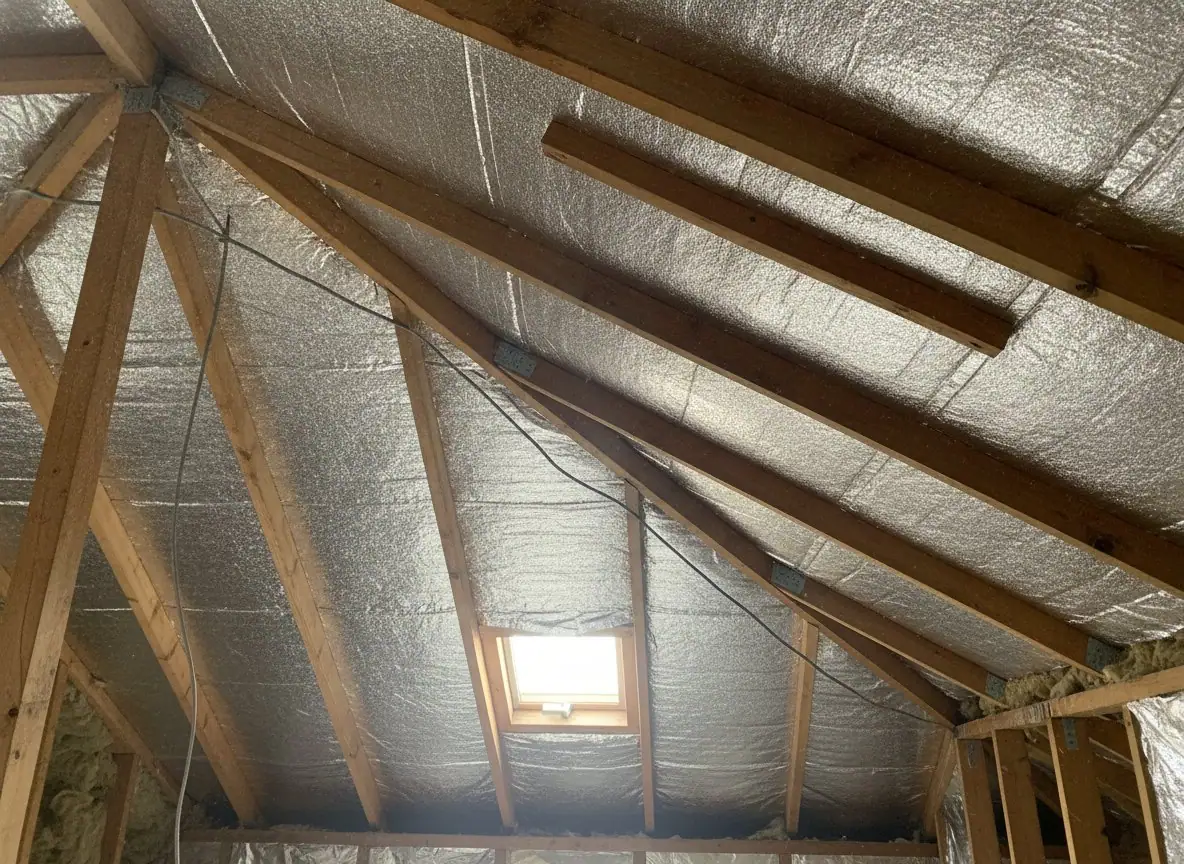
For maximum performance, we often pair a 2-inch closed-cell spray foam insulation layer at the attic deck or rim joists with deep-fill blown cellulose on the attic floor. This hybrid approach addresses both thermal resistance and air/moisture control — ideal for Calabasas hillside properties with complex attic geometries and exposure to marine layer moisture from the Malibu Canyon corridor.
Cellulose Insulation Cost in Calabasas, CA
Understanding cellulose insulation costs in Calabasas helps homeowners plan effectively and compare proposals accurately. Pricing reflects labor, materials, project scope, and the specific challenges of Calabasas properties.
Typical Cost Ranges
- Attic Blown-In Cellulose (Standard Installation): $1,200–$3,500 for most Calabasas homes ranging from 1,500 to 3,500 sq ft of attic space, installed to R-38.
- Attic Blown-In to R-49 or R-60: $1,800–$4,500 depending on attic size and accessibility challenges common in hillside properties.
- Dense-Pack Wall Insulation: $1.50–$3.00 per square foot of wall area, with whole-home projects for a typical 2,500 sq ft Calabasas home ranging from $3,500–$7,500.
- Combined Attic and Wall Project: $4,500–$12,000 for comprehensive whole-home insulation upgrades typical of older Calabasas estates.
Read moreShow less
Factors Affecting Cost in Calabasas
- Attic Accessibility: Hillside homes in Monte Nido and Mountain View Estates often have low-clearance or oddly shaped attics that require more labor hours.
- Existing Insulation Removal: Insulation removal and replacement adds $500–$2,000 depending on the volume and condition of existing material.
- Air Sealing Requirements: Older homes built pre-1990 typically require more extensive air sealing, adding $300–$800 to the project.
- Crawl Space Work: Homes with vented crawl spaces — common in older Calabasas properties — may require crawl space insulation as an add-on, ranging from $1,500–$4,000.
Available Incentives
Calabasas homeowners may qualify for Southern California Edison’s Home Energy Improvement Program rebates and federal Inflation Reduction Act tax credits of up to 30% of insulation costs (up to $1,200 annually). Our team can provide documentation to support your rebate applications. Call (818) 696-4154 for a detailed, no-obligation quote.
Neighborhoods in Calabasas We Serve
The Oaks of Calabasas
This prestigious gated community features large custom homes built primarily between 1998 and 2010. While newer than much of Calabasas’s housing stock, many Oaks homes were built to minimum Title 24 standards that have since been surpassed. The expansive two-story floor plans and high ceiling volumes create significant stack effect air movement, making dense-pack wall insulation and R-49 attic upgrades highly beneficial here.
Calabasas Park Estates
Featuring a mix of Mediterranean and ranch-style homes built from the late 1970s through the 1990s, Calabasas Park Estates represents one of the highest-density areas for insulation upgrades in the city. Most original construction used R-19 or lower attic insulation — far below current California standards. Blown-in cellulose topping is the most cost-effective solution for these properties.
Mulholland Estates and Las Virgenes Road Corridor
These hillside properties sustained significant exposure during the 2018 Woolsey Fire and frequently contend with Santa Ana wind pressurization. Homes here benefit most from comprehensive air sealing combined with high-density cellulose installation, and many are candidates for attic insulation combined with crawl space encapsulation for full-envelope performance.
Old Calabasas / Historic Core
The older ranch-style homes near the Leonis Adobe Historic Site date to the 1950s and 1960s and represent the most significant insulation deficiency cases in the city — many have little to no wall insulation and degraded original fiberglass in the attic. These properties are ideal candidates for whole-home cellulose retrofits.
Cellulose Insulation Maintenance Tips for Calabasas Homeowners
- Schedule Annual Attic Inspections: Inspect attic insulation depth and condition each fall before the Santa Ana wind season begins. Look for signs of displacement, moisture staining, or pest activity.
- Monitor for Roof Leaks After Winter Rains: Calabasas receives most of its annual 16–18 inches of rainfall between November and March. Even small roof leaks can saturate cellulose in localized areas — address any leaks immediately and allow insulation to dry fully.
- Seal Attic Access Hatches: Ensure your attic hatch or pull-down stairs are well-sealed and insulated to prevent conditioned air from escaping — a common energy loss point in Calabasas homes.
- Control Attic Ventilation: Maintain clear soffit and ridge vents to allow moisture-laden air to escape. Blocked ventilation is a leading cause of cellulose moisture accumulation in hillside Calabasas homes where morning marine layer condensation is common.
- Address Pest Entry Points: Calabasas’s interface with open space preserves means roof rats and squirrels are common attic invaders. Seal all penetrations larger than ¼ inch to prevent animals from burrowing into and displacing cellulose.
- Check After Major Wind Events: After significant Santa Ana wind events (gusts above 60 mph), inspect the attic for displaced insulation near vents or eave areas.
- Re-Top Every 15–20 Years: While cellulose is dimensionally stable, adding a supplemental blown-in layer every 15–20 years ensures R-value performance keeps pace with evolving California Title 24 standards.
Why Choose Best Price Insulation in Calabasas
Best Price Insulation has built a reputation as the trusted cellulose insulation specialist serving Calabasas and the surrounding western San Fernando Valley and Santa Monica Mountains communities. Our team understands the specific building stock, microclimates, and energy challenges unique to Calabasas — from the post-Woolsey Fire rebuilds along Las Virgenes Road to the aging ranch homes in the historic core.
We serve an expansive footprint that includes Agoura Hills, Westlake Village, Woodland Hills, Malibu, Hidden Hills, Thousand Oaks, Simi Valley, Beverly Hills, Santa Monica, and beyond — giving us deep regional knowledge of Southern California’s diverse residential construction types.
Our full service menu — including insulation installation, spray foam insulation, attic insulation, blow-in insulation, crawl space encapsulation, crawl space insulation, insulation removal, and insulation replacement — means you have a single, reliable partner for every insulation need your Calabasas property may present. We deliver transparent pricing, professional installations, and genuine commitment to your home’s long-term performance.
Call us today at (818) 696-4154 to speak with a Calabasas insulation specialist.
FAQ
Frequently Asked Questions About Cellulose Insulation in Calabasas, CA
How much does cellulose insulation cost in Calabasas, CA?
Cellulose insulation costs in Calabasas typically range from $1,200 to $3,500 for a standard attic application in a 1,500–3,500 sq ft home installed to R-38. Larger homes, hillside properties with difficult attic access, or whole-home projects including wall dense-pack can range from $4,500 to $12,000 or more. Contact Best Price Insulation at (818) 696-4154 for a detailed quote specific to your property.
Is cellulose insulation fire-safe for Calabasas homes near wildfire zones?
Yes. Modern cellulose insulation is treated with borate fire retardants that give it a Class I fire rating — actually performing better than unfaced fiberglass batts in standardized fire tests. This makes it appropriate for Calabasas homes in Wildland-Urban Interface (WUI) zones, including properties near Malibu Creek State Park and the Las Virgenes Open Space Preserve. Always consult with your local fire marshal regarding exterior envelope requirements in designated high-fire-hazard severity zones.
How long does cellulose insulation installation take in a typical Calabasas home?
For a standard attic blown-in application in a 2,000–3,000 sq ft Calabasas home, installation typically takes 4–8 hours including assessment, air sealing, and installation. Whole-home projects that include wall dense-pack may take 1–2 full days. Complex hillside properties with restricted attic access may require additional time.
Does cellulose insulation work well in Calabasas’s hot, dry climate?
Cellulose performs exceptionally well in Calabasas’s climate. Its high density limits radiant and convective heat transfer during summer temperatures that regularly exceed 100°F in the valley. It also retains its thermal resistance during the wide diurnal temperature swings — 30°F or more between daytime highs and nighttime lows — common in Calabasas’s foothill location. The borate treatment also deters the insects and rodents common in Southern California’s semi-arid environment.
Will cellulose insulation settle over time in my Calabasas attic?
Blown-in cellulose will settle approximately 15–20% over the first year after installation. Professional installers account for this by installing to a slightly greater initial depth. Dense-pack cellulose installed at 3.0–3.5 lbs per cubic foot in wall cavities does not settle measurably. After initial settling, cellulose remains dimensionally stable for decades under normal Calabasas conditions.
Can I get rebates for cellulose insulation installation in Calabasas?
Yes. Calabasas homeowners may qualify for rebates through Southern California Edison’s Energy Efficiency Programs, SoCalGas’s Home Energy Efficiency Rebate program, and federal Inflation Reduction Act tax credits of up to 30% of installation costs (capped at $1,200 per year for insulation). Best Price Insulation provides all required documentation to support your rebate claims.
What’s the difference between cellulose and spray foam insulation for a Calabasas attic?
Cellulose blown onto the attic floor (vented attic system) and spray foam applied to the underside of the roof deck (unvented attic system) serve different building science purposes. Cellulose is typically more cost-effective and achieves excellent R-values for standard vented attic configurations common in Calabasas tract homes. Spray foam creates a conditioned attic space, which is preferred for homes with HVAC equipment in the attic. Many Calabasas homes benefit from a hybrid approach. Our team assesses which method is optimal for your specific property. Learn more on our spray foam insulation page.
Does Best Price Insulation serve areas near Calabasas?
Absolutely. We serve all communities surrounding Calabasas including Agoura Hills, Westlake Village, Woodland Hills, West Hills, Hidden Hills, Malibu, Topanga, Monte Nido, Pacific Palisades, Santa Monica, Beverly Hills, Granada Hills, North Ranch, San Fernando, West Hollywood, Culver City, Moorpark, Thousand Oaks, and Simi Valley. Call (818) 696-4154 to confirm service availability for your location.
Get Your Free Cellulose Insulation Quote in Calabasas Today
Don’t let Calabasas’s extreme summer heat, Santa Ana wind conditions, and cold winter nights drain your energy budget. Whether you’re upgrading an aging Calabasas Park Estates ranch home, completing a post-Woolsey Fire rebuild along Las Virgenes Road, or installing high-performance insulation in a new custom build in The Oaks, Best Price Insulation is your local expert for cellulose insulation in Calabasas, CA.
Our team is ready to provide a comprehensive property assessment and transparent, itemized quote with no pressure and no hidden fees. We serve Calabasas and all surrounding communities throughout the western San Fernando Valley, Santa Monica Mountains, and greater Los Angeles area.
Call us now at (818) 696-4154 to schedule your free estimate, or reach out through our website to request an appointment online. Comfort, efficiency, and savings start with one call to Best Price Insulation.
Get in touch
Find insulation help near you
Request a free estimate online or give us a call — our team will follow up quickly.
- Call us(818) 696-4154
- Visit26635 W Agoura Rd, Calabasas, CA 91302
- HoursMon-Sun 07:00-19:00