
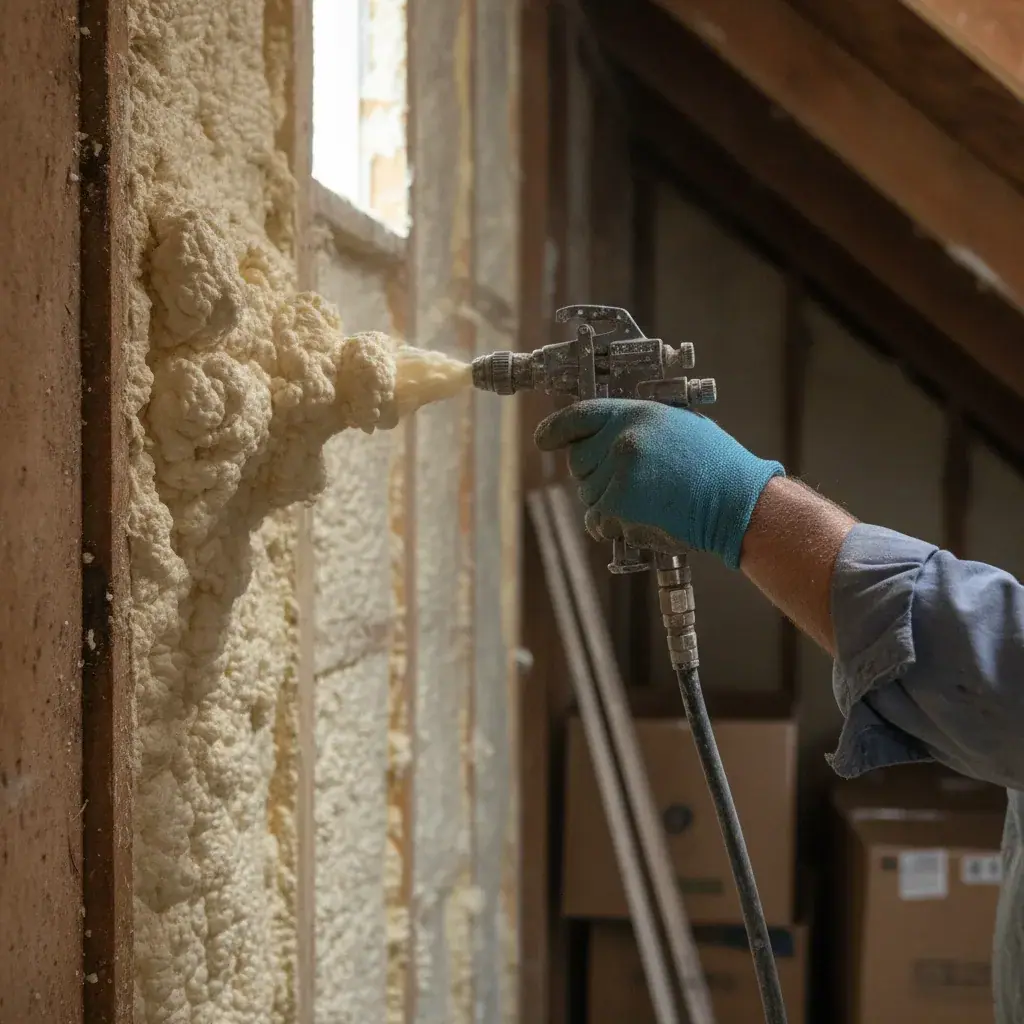
Fiberglass Insulation in Calabasas, CA
Energy-Saving Fiberglass Insulation for Calabasas, CA Homes — Licensed & Insured
Get expert fiberglass insulation in Calabasas, CA. Best Price Insulation offers attic, wall & crawl space solutions for Climate Zone 10 homes. Call (818) 696-4154.
Fiberglass insulation is one of the most trusted and widely used thermal and acoustic barrier solutions available to homeowners and commercial property owners today. Composed of extremely fine glass fibers, it works by trapping pockets of air to slow the transfer of heat, keeping your indoor environment comfortable regardless of what is happening outside. In Calabasas, CA — a community nestled in the Santa Monica Mountains foothills and subject to dramatic temperature swings, dry Santa Ana wind events, and wildfire-adjacent climate pressures — the right insulation is not just a comfort upgrade. It is a necessity.
At Best Price Insulation, we specialize in delivering high-performance fiberglass insulation solutions tailored specifically to the construction types, microclimates, and energy code requirements found throughout Calabasas and the greater Las Virgenes Valley. Whether you are insulating a new build in The Oaks or upgrading an older ranch home near Mulholland Drive, our team brings local knowledge and professional-grade materials to every project. Call us today at (818) 696-4154 to schedule your assessment.
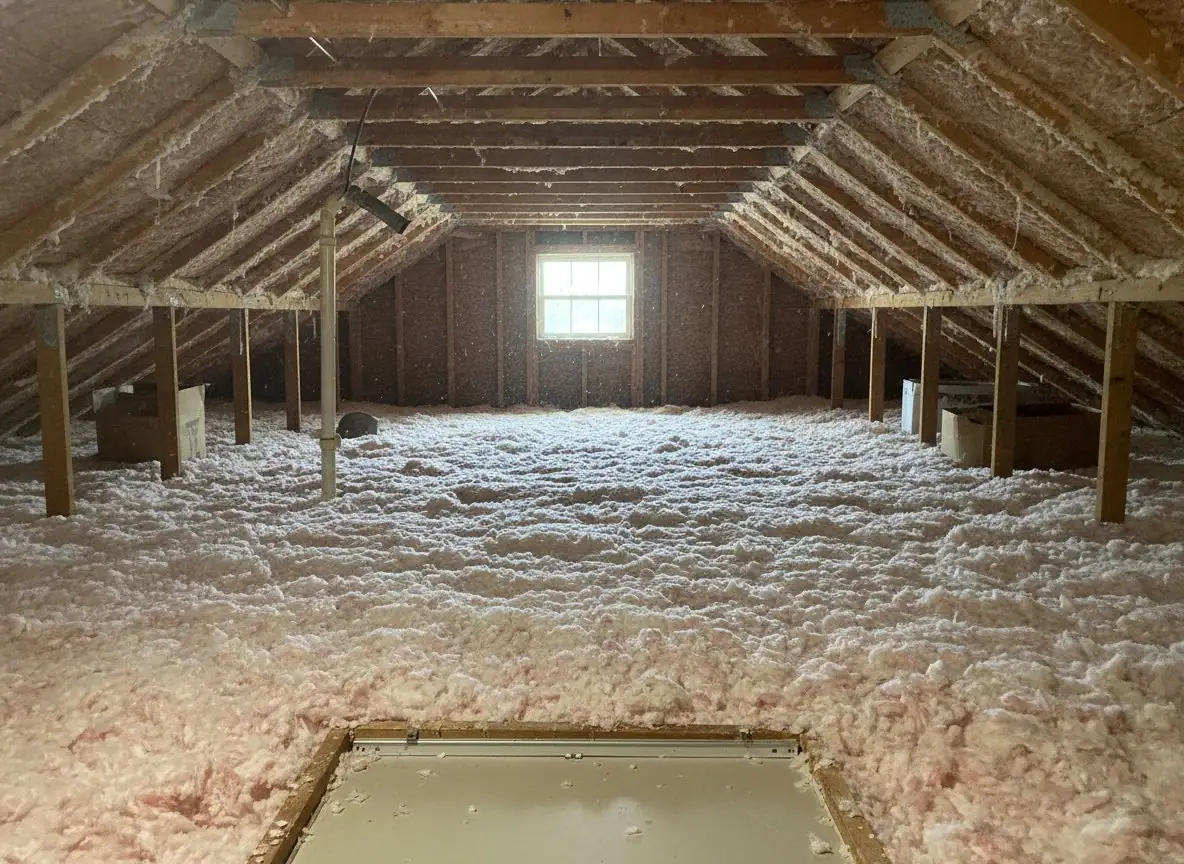
Understanding Fiberglass Insulation
Fiberglass insulation has been a cornerstone of residential and commercial construction in the United States since its widespread adoption in the mid-20th century. Developed in the 1930s and commercialized by Owens Corning under the brand name Pink Panther insulation, fiberglass batts and rolls became the standard insulating material in American homes throughout the postwar building boom of the 1950s and 1960s. Today, it remains one of the most installed insulation types in the country, accounting for the majority of new residential insulation projects.
The material itself is made from recycled glass spun into ultra-thin fibers. These fibers are then bonded together in a mat-like structure, available in batts (pre-cut sections), rolls (continuous strips), or loose-fill form. The thermal resistance of fiberglass is measured using R-value — the higher the R-value, the greater the resistance to heat transfer. In California’s Title 24 Energy Code, Calabasas homes in Climate Zone 10 typically require a minimum of R-38 in attic assemblies and R-13 in exterior wall cavities, though upgrading beyond these minimums is increasingly common among energy-conscious homeowners.
Read moreShow less
Calabasas features a diverse range of building types that benefit from fiberglass insulation in different ways. The community includes luxury tract homes built in gated communities like The Oaks, The Oaks North, and Calabasas Park Estates during the 1980s and 1990s, older hillside custom homes dating to the 1960s and 1970s near Old Calabasas Road, and newer construction properties built to California’s increasingly rigorous energy codes after 2008. Each building era presents unique insulation opportunities and challenges. Older homes often have compressed, moisture-damaged, or simply insufficient insulation that needs replacement, while newer properties may benefit from insulation upgrades to walls and crawl spaces that were minimally addressed during original construction.
Beyond thermal performance, fiberglass insulation also provides meaningful acoustic benefits — a consideration that matters in Calabasas neighborhoods near the 101 Freeway corridor, where traffic noise can be a persistent quality-of-life concern. The material is also non-combustible, which aligns with fire-safety priorities in a community that has experienced proximity to major wildfires, including the 2018 Woolsey Fire.
Why Fiberglass Insulation Is Needed in Calabasas, CA
Extreme Seasonal Temperature Variability
Calabasas sits in California Climate Zone 10, a zone defined by the California Energy Commission as having hot, dry summers and mild but occasionally cold winters. Summer daytime highs in Calabasas regularly reach 95°F to 105°F, with attic temperatures in poorly insulated homes exceeding 150°F during peak July and August heat. In winter, overnight lows in the hillside neighborhoods near Mulholland Highway and Monte Nido Road can dip to the mid-30s°F. This 70-degree seasonal swing places enormous stress on HVAC systems in homes without adequate insulation, resulting in significantly higher utility bills and accelerated equipment wear.
Santa Ana Wind Events
The Santa Ana winds — hot, dry, downslope winds originating in the interior deserts — are a defining feature of Southern California’s fall climate and are particularly intense in the Calabasas corridor due to the topographic funneling that occurs through the Conejo Grade and Calabasas Pass. During Santa Ana events, outdoor temperatures can spike 15°F to 25°F above seasonal norms within hours, with gusts exceeding 60 mph recorded in the area. These events not only stress thermal envelopes but also drive the kind of rapid pressure differentials that can infiltrate poorly sealed attics and wall cavities with outside air, bypassing underpowered insulation entirely.
The 2018 Woolsey Fire and Wildfire Risk Context
The November 2018 Woolsey Fire burned more than 96,000 acres across Ventura and Los Angeles counties, destroying over 1,600 structures and advancing to within a mile of densely populated Calabasas neighborhoods. While the fire primarily affected Agoura Hills, Malibu, and Hidden Hills communities, it left a lasting imprint on Calabasas property owners’ awareness of building envelope performance. Many homes in the fire’s path experienced smoke infiltration and debris contamination in attic cavities, requiring full insulation removal and replacement. Since 2018, insulation replacement following smoke exposure has become a common service request throughout the Calabasas area.
Aging Housing Stock and Energy Code Gaps
A significant portion of Calabasas’s housing stock was built between 1975 and 1995, before California’s Title 24 energy efficiency standards reached their current rigor. Homes built in this era were typically insulated to R-19 or R-22 in attics — far below the current R-38 minimum requirement. Many of these homes, particularly in Calabasas Park Estates, Park Granada, and the neighborhoods surrounding Calabasas Road, are now experiencing compressed, settled, or moisture-infiltrated insulation that is performing at a fraction of its rated R-value. Upgrading these homes to current or above-code standards delivers immediate, measurable reductions in monthly energy costs and improves indoor comfort.
Crawl Space and Air Quality Concerns
Many Calabasas homes built on sloped hillside lots feature raised foundations with unconditioned crawl spaces. These crawl spaces, when uninsulated or improperly encapsulated, allow moisture from the native clay-heavy soils common in the Santa Monica Mountains foothills to migrate upward into the living environment. This moisture can degrade fiberglass insulation installed in floor assemblies, promote mold growth, and contribute to elevated indoor humidity during the rainy season. Learn about our crawl space insulation services and crawl space encapsulation solutions to address these conditions comprehensively.
Free, no-obligation estimates
Talk to Best Price Insulation
Tell us what you need and we’ll take it from there.
Signs You Need Fiberglass Insulation in Calabasas
Energy Performance Indicators
- Monthly electricity bills exceeding $300–$400 during summer months, particularly in homes under 2,500 square feet
- HVAC system running continuously during peak afternoon hours without reaching set temperature
- Noticeable hot or cold spots in rooms on upper floors or above the garage
- Drafts near electrical outlets, recessed lighting, or around window frames
Physical and Visual Warning Signs
- Visible fiberglass batts in the attic that appear compressed, yellowed, or flattened — insulation that has settled below 6 inches in depth has likely lost significant R-value
- Insulation that appears dark or discolored near air pathways, indicating air filtration through the material
- Visible moisture staining, mold, or musty odors in the attic or crawl space
- Pest evidence — rodent nesting in attic insulation is common in hillside Calabasas properties and renders existing insulation unsanitary and ineffective
Post-Event Urgency Indicators
- Any home within the smoke perimeter of a nearby wildfire, including events originating in the Malibu Creek State Park corridor
- Water intrusion following heavy rain events, particularly roof leaks that have saturated attic insulation
- Recent HVAC replacement without accompanying insulation evaluation
Our process
Our Fiberglass Insulation Process in Calabasas
Best Price Insulation follows a structured, transparent installation process designed to maximize performance outcomes and minimize disruption to your household. Here is what to expect from start to finish.
- 01
Initial Assessment and Energy Audit (Day 1, 60–90 Minutes)
Our technician visits your property and conducts a thorough inspection of all insulated and potentially under-insulated assemblies — attic, walls, floors above crawl spaces, and garage ceilings. We measure existing insulation depth and condition, document any
- 02
Scope Development and Proposal (1–2 Business Days)
We prepare a written proposal outlining recommended R-values by assembly, material specifications, estimated project duration, and itemized pricing. We reference California Title 24 requirements for Climate Zone 10 and note any utility rebate programs through
- 03
Insulation Removal (If Required) (Day 1 of Installation, 2–4 Hours)
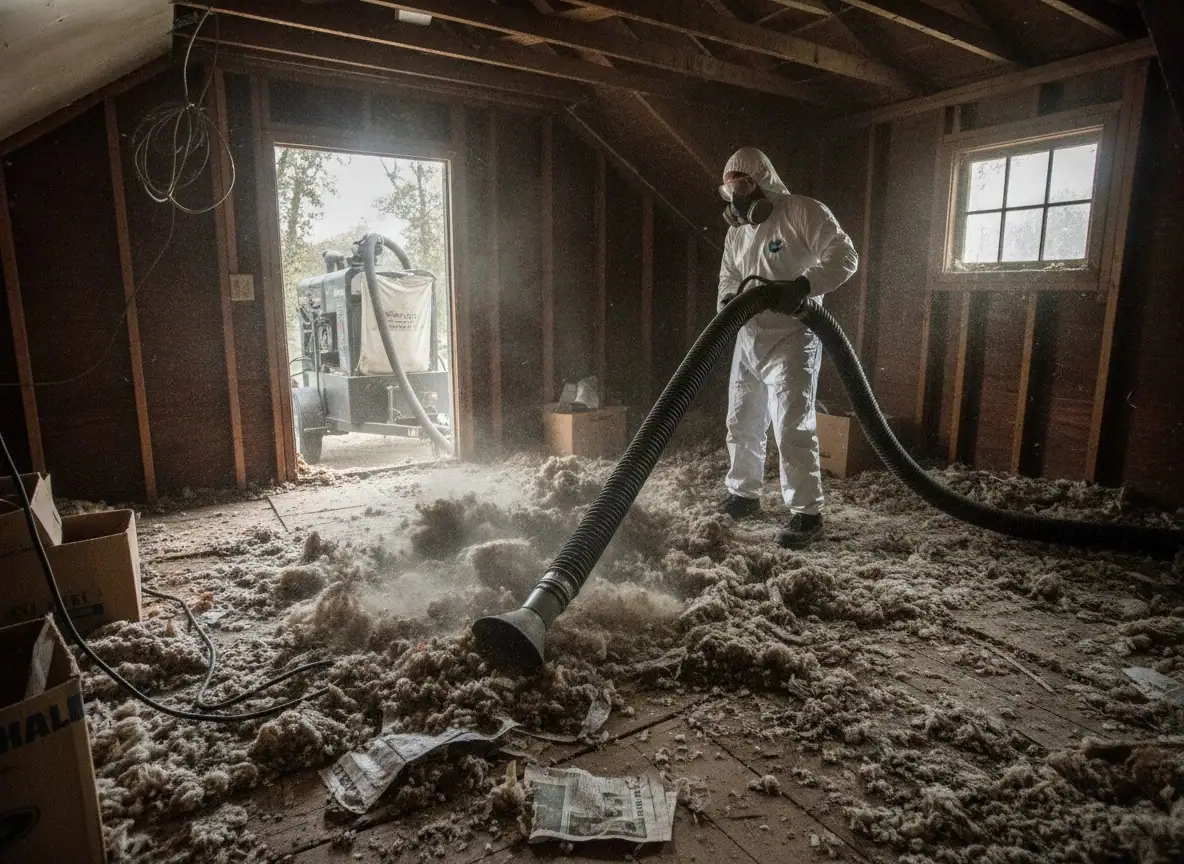
When existing insulation is contaminated, compressed, or smoke-damaged, we perform complete insulation removal using HEPA-filtered vacuum equipment to protect indoor air quality. This is particularly relevant for post-Woolsey Fire remediation projects and home
- 04
Air Sealing (Day 1 of Installation, 1–3 Hours)
Before new insulation is installed, we seal attic bypasses — penetrations around recessed lights, plumbing chases, and top plates — using expanding foam or caulk. In Calabasas homes, this step is critical for preventing Santa Ana wind-driven air infiltration t
- 05
Fiberglass Installation (Day 1–2, Varies by Scope)
We install fiberglass batts, rolls, or blown-in material to achieve the specified R-value. Attic work in most Calabasas homes is completed in a single day. Wall cavity work for whole-home insulation replacement projects may extend to two to three days.
- 06
Quality Verification (Final Day, 30–60 Minutes)
We conduct a final depth and coverage check using calibrated rulers and visual inspection to confirm uniform coverage across all installed assemblies before closing up access points.
- 07
Post-Installation Documentation
We provide a written completion report documenting installed R-values and material specifications, which can be used for utility rebate applications and real estate disclosure purposes.
Fiberglass Insulation Methods and Approaches
Fiberglass Batt Insulation
Pre-cut fiberglass batts are the most commonly used insulation format in Calabasas residential construction. Available in standard widths matching 16-inch and 24-inch stud and joist spacing, batts are ideal for wall cavities, floor assemblies above crawl spaces, and attic floors with unobstructed joist bays. R-values typically range from R-13 for standard 2×4 wall applications to R-30 for floor assemblies. Batts are the preferred choice for retrofit projects where existing drywall remains in place and access is limited to one side of the cavity.
Blown-In Fiberglass Insulation
Loose-fill blown-in fiberglass is the gold standard for attic insulation in Calabasas. Blow-in insulation conforms around obstructions like attic trusses, blocking, and existing wiring in a way that batts cannot, eliminating gaps and voids that reduce effective R-value. For a typical Calabasas home reaching the current R-38 standard, blown-in fiberglass is installed at approximately 12–14 inches of depth. This method also works well for dense-pack applications in closed wall cavities where access holes can be drilled and patched.
Fiberglass Combined with Spray Foam Air Sealing
For maximum performance in high-infiltration Calabasas properties — particularly hillside homes with complex roof lines and multiple attic bypasses — we combine fiberglass insulation with targeted spray foam insulation at critical air leakage points. The spray foam addresses air movement while the fiberglass provides thermal resistance at a more economical cost per R-value than spray foam alone. This hybrid approach is especially effective in homes near the 101 Freeway where both thermal and acoustic performance improvements are desired.
Fiberglass in Crawl Spaces and Floor Assemblies
For Calabasas homes with raised foundations, we install R-19 or R-25 fiberglass batts in floor joist bays, supported by wire insulation hangers or netting. This approach is often paired with crawl space encapsulation using a heavy-duty vapor barrier to address the clay soil moisture conditions common in the Santa Monica Mountains foothills. Crawl space insulation installation typically takes one day for a standard Calabasas home.
Fiberglass Insulation Cost in Calabasas, CA
Understanding the cost of fiberglass insulation in Calabasas helps homeowners budget accurately and evaluate proposals. Pricing in the Los Angeles County market reflects local labor rates, material costs, and the specific challenges of working in hillside and gated-community properties.
Typical Price Ranges
- Attic blown-in fiberglass insulation (to R-38): $1.50–$2.50 per square foot installed, or approximately $2,500–$4,500 for a typical 1,500–2,000 sq ft Calabasas home attic
- Fiberglass batt wall insulation (open wall cavity): $1.00–$1.80 per square foot installed
- Dense-pack fiberglass for closed wall cavities: $2.50–$4.00 per square foot, including drilling and patching
- Crawl space floor insulation (R-19 batts): $2.00–$3.50 per square foot installed
- Insulation removal prior to replacement: $1.00–$2.00 per square foot, depending on accessibility and contamination level
Read moreShow less
Factors That Affect Fiberglass Insulation Cost in Calabasas
- Attic accessibility: Low-pitch rooflines common in 1970s-era Calabasas ranch homes reduce technician mobility and increase labor time
- Existing insulation condition: Projects requiring full removal before reinstallation carry higher total costs
- Gated community access: Properties in The Oaks or Hidden Hills may require additional scheduling coordination for contractor vehicle access
- Scope of air sealing required: Homes with numerous attic bypasses require additional materials and labor before insulation installation
Available Rebates
Southern California Edison customers may qualify for rebates of $0.10–$0.20 per square foot on qualifying attic insulation upgrades. Contact us for current program details and to confirm your property’s eligibility based on existing insulation levels. Call (818) 696-4154 for a detailed, no-obligation quote specific to your Calabasas home.
Calabasas Neighborhoods We Serve
The Oaks and The Oaks North
These prestigious gated communities feature large custom and semi-custom homes built primarily between 1988 and 2005. Many properties have complex rooflines with multiple attic zones and cathedral ceiling sections requiring specialized insulation approaches. We are experienced in coordinating HOA-compliant project logistics within these communities.
Calabasas Park Estates and Park Granada
These established neighborhoods feature tract homes built in the late 1970s through the 1990s. Homes here frequently have original fiberglass batts compressed to well below their rated R-value after 30+ years of settling. Blown-in attic upgrades and crawl space insulation are the most common service requests from these areas.
Old Calabasas Road and Mulholland Corridor
Older custom homes and ranch properties along the Mulholland Highway and Old Calabasas Road corridors often feature irregular framing, mixed insulation from multiple renovation eras, and challenging crawl space configurations. These properties benefit most from a comprehensive assessment before any insulation work begins.
Surrounding Communities
We also serve Agoura Hills, Westlake Village, Thousand Oaks, Hidden Hills, Woodland Hills, and all surrounding communities throughout the greater Las Virgenes Valley and west San Fernando Valley. View our full service area.
Fiberglass Insulation Maintenance Tips for Calabasas Homeowners
- Inspect attic insulation depth annually: After each rainy season (typically April), check your attic access point and measure insulation depth with a ruler. Depth below 10 inches indicates R-value below current Title 24 minimums for Climate Zone 10.
- Check for pest intrusion after summer: Roof rats and squirrels are active in Calabasas hillside neighborhoods and frequently nest in attic fiberglass during late summer and fall. Look for nesting material, droppings, or compressed areas.
- Inspect crawl space vapor barriers after heavy rain: Following significant rainfall events — particularly atmospheric river events — verify that crawl space vapor barriers remain intact and that no standing water is present beneath the home.
- Seal attic hatch covers: Ensure your attic access hatch has an insulated cover rated to at least R-30 to prevent the attic from becoming a heat bypass point.
- Avoid compressing insulation with stored items: Do not store boxes or other items directly on attic insulation, as compression permanently reduces R-value.
- Schedule a professional inspection after any wildfire smoke event: Even if your home did not sustain visible damage, smoke particles can infiltrate and contaminate attic fiberglass during major fire events.
- Monitor utility bills year over year: A sudden increase in summer cooling costs — without a change in usage habits — often signals insulation degradation and warrants a professional inspection.
Why Choose Best Price Insulation for Fiberglass Insulation in Calabasas
Best Price Insulation is a locally focused insulation contractor serving Calabasas and the surrounding communities of the greater Los Angeles and Ventura County region. Our technicians have hands-on experience with the specific construction types, climate conditions, and building code requirements that define Calabasas properties — from gated community estate homes to hillside ranches and post-fire remediation projects.
We bring a comprehensive service offering to every project, including attic insulation, blow-in insulation, spray foam insulation, insulation removal, insulation replacement, crawl space insulation, and crawl space encapsulation. This means you work with a single contractor who understands the full scope of your home’s thermal envelope rather than piecing together services from multiple vendors.
Read moreShow less
We are committed to transparent, itemized pricing and thorough post-installation documentation to support utility rebate applications and real estate disclosures. Call Best Price Insulation at (818) 696-4154 to schedule your Calabasas property assessment today.
FAQ
Frequently Asked Questions: Fiberglass Insulation in Calabasas, CA
How much does fiberglass attic insulation cost in Calabasas?
For a typical Calabasas home with a 1,500–2,000 square foot attic footprint, blown-in fiberglass insulation upgraded to the current R-38 standard typically costs between $2,500 and $4,500 installed. Factors that affect cost include attic accessibility, the need for prior insulation removal, and the extent of air sealing work required. Homes in The Oaks or other gated communities may incur minor additional scheduling costs. Contact us at (818) 696-4154 for a free, site-specific estimate.
What R-value do I need for my Calabasas home?
Calabasas is located in California Energy Commission Climate Zone 10. Current Title 24 standards require a minimum of R-38 in attic assemblies for this climate zone. For exterior walls in 2×4 construction, R-13 is the minimum, while 2×6 framing accommodates R-21. Many energy-conscious Calabasas homeowners opt to exceed these minimums — particularly in attics, where upgrading to R-49 or R-60 delivers meaningful additional energy savings given the extreme summer attic temperatures in this region.
How long does fiberglass insulation installation take in Calabasas?
Most attic insulation projects for single-family Calabasas homes are completed in one day. Projects that require prior insulation removal, extensive air sealing, or crawl space floor insulation may extend to two days. Whole-home insulation replacement projects that include wall cavities typically take two to three days depending on the home’s size and complexity.
Does the Woolsey Fire affect whether I need new insulation?
Yes — homes within the smoke impact zone of the November 2018 Woolsey Fire, which spread across the Agoura Hills, Calabasas, Malibu, and Hidden Hills areas, may have attic insulation that was contaminated by smoke particulates and toxic combustion byproducts. Even homes that did not sustain structural damage can have compromised insulation. If you have not had your attic insulation inspected since 2018 and your home is in the western Calabasas or Las Virgenes corridor, we recommend a professional assessment.
Can I add new fiberglass insulation on top of my existing insulation?
In many cases, yes. If your existing attic insulation is in clean condition — no moisture damage, no pest contamination, no smoke exposure — blown-in fiberglass can be added on top to reach the target R-value. However, if existing insulation is compressed, wet, moldy, or infested, removal is the appropriate first step. Our technicians will evaluate this during the initial assessment and advise you accordingly.
Does fiberglass insulation help with noise from the 101 Freeway?
Fiberglass insulation does contribute to acoustic dampening, particularly in attic and wall assemblies. For Calabasas homes near the Ventura Freeway (US-101) corridor — including neighborhoods in Calabasas Park Estates and communities along Park Sorrento — improved insulation combined with window and door sealing can meaningfully reduce interior noise levels. Blown-in fiberglass in attic and wall assemblies provides better acoustic performance than batt products due to its ability to fill voids completely.
Do you service areas outside of Calabasas?
Yes. Best Price Insulation serves a broad geographic area throughout the western San Fernando Valley and Conejo Valley, including Agoura Hills, Westlake Village, Thousand Oaks, Moorpark, Simi Valley, Woodland Hills, West Hills, Granada Hills, Hidden Hills, Malibu, Topanga, Monte Nido, Pacific Palisades, Santa Monica, Beverly Hills, Culver City, West Hollywood, North Ranch, and San Fernando. View our complete service area page for more information.
Are there rebates available for fiberglass insulation upgrades in Calabasas?
Calabasas homes served by Southern California Edison may qualify for energy efficiency rebates on qualifying attic insulation upgrades. Rebate amounts and eligibility requirements change periodically. SoCalGas also occasionally offers rebates for insulation improvements tied to heating system efficiency. We will identify applicable programs during your assessment and provide the documentation needed to support your rebate claim. Call us at (818) 696-4154 for current program details.
Get a Free Fiberglass Insulation Quote in Calabasas Today
If your Calabasas home is uncomfortable during summer heat waves, your utility bills are higher than they should be, or your attic insulation has not been inspected since before the 2018 Woolsey Fire, it is time to take action. Best Price Insulation delivers professional fiberglass insulation installation, removal, and replacement services throughout Calabasas and the surrounding communities — with transparent pricing, thorough workmanship, and documentation to support utility rebate applications.
Call us now at (818) 696-4154 to schedule your free on-site assessment. Our team serves all Calabasas neighborhoods, including The Oaks, Calabasas Park Estates, Park Granada, and the Mulholland corridor. Do not let another Southern California summer pass in an under-insulated home. Contact Best Price Insulation today and start saving.
Get in touch
Find insulation help near you
Request a free estimate online or give us a call — our team will follow up quickly.
- Call us(818) 696-4154
- Visit26635 W Agoura Rd, Calabasas, CA 91302
- HoursMon-Sun 07:00-19:00