
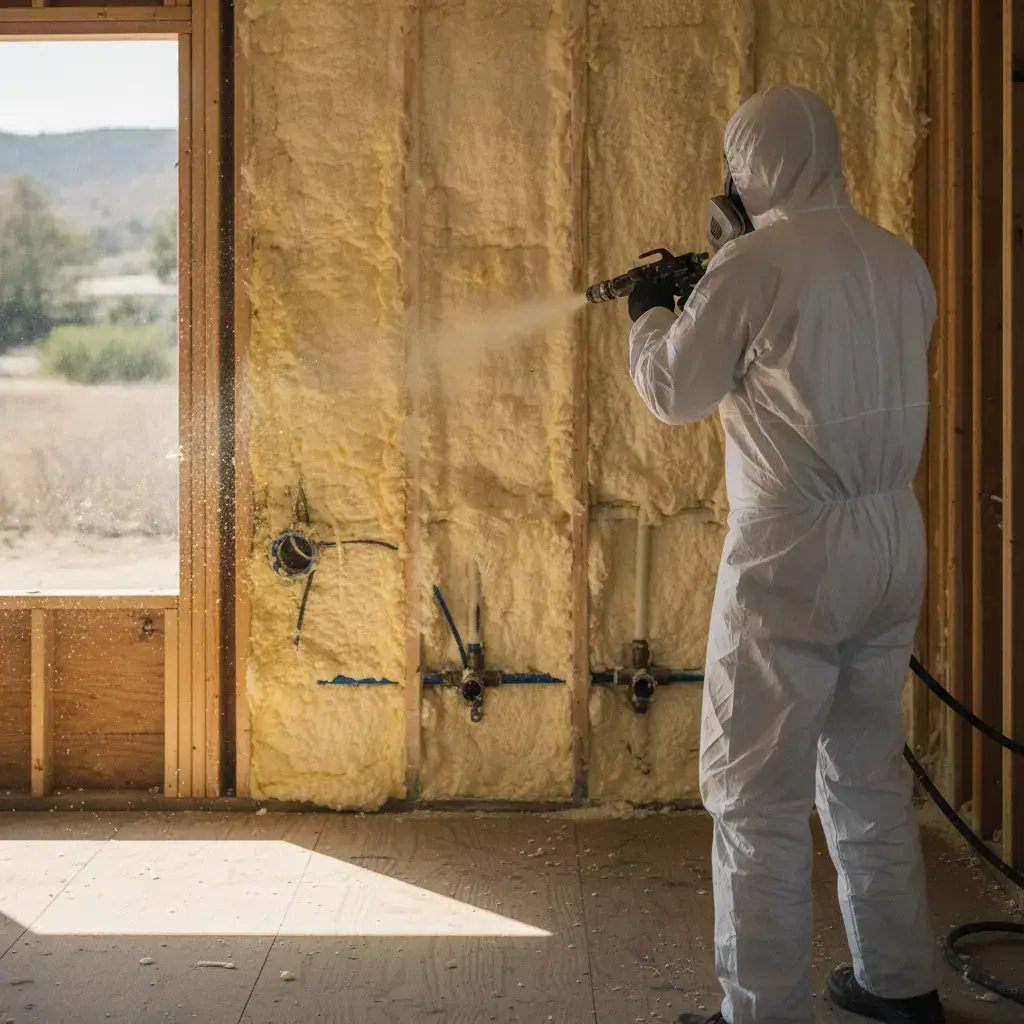
Spray Foam Attic Insulation in Calabasas, CA
Energy-Saving Spray Foam Attic Insulation for Calabasas, CA Homes — Licensed & Insured
Get expert spray foam attic insulation in Calabasas, CA. Best Price Insulation offers free estimates, Title 24 compliance & local expertise. Call (818) 696-4154.
Spray foam attic insulation is a high-performance insulation solution that seals air gaps, controls moisture, and dramatically reduces energy loss in your home’s attic space. Unlike traditional batts or blown-in materials, spray foam expands on contact to create an airtight thermal envelope that addresses the specific demands of Calabasas’s climate — from scorching inland summers topping 100°F to cool marine-influenced winter evenings rolling in from the Pacific.
At Best Price Insulation, we specialize in delivering professional spray foam attic insulation to homeowners and property managers throughout Calabasas and the surrounding communities of the greater Las Virgenes Valley. Our team understands the architectural diversity of this area, from the sprawling ranch-style estates in North Ranch to the canyon-adjacent custom homes near Malibu Creek State Park. Whether your attic is a vented rafter space or a compact flat-roof cavity, we have the expertise and equipment to get the job done right. Call us today at (818) 696-4154 to schedule your free assessment.

Understanding Spray Foam Attic Insulation
Spray foam attic insulation is a two-component polyurethane material that, when mixed and applied by a trained technician, expands rapidly to fill cavities, seal penetrations, and bond to roofing decks, rafters, and joists. The result is a monolithic insulating layer that functions simultaneously as an air barrier, a vapor retarder, and a thermal insulator — three properties that most conventional insulation materials can only partially achieve on their own.
There are two primary types of spray foam used in residential attic applications: open-cell spray foam, which has a lower density and R-value per inch but offers superior sound dampening and flexibility, and closed-cell spray foam, which achieves an R-value of approximately 6.5 per inch, adds structural rigidity to roof sheathing, and acts as a Class II vapor retarder. In Calabasas — where attics can reach interior temperatures of 140°F to 160°F during peak summer months — closed-cell foam is frequently specified because of its superior thermal resistance and moisture control properties.
Read moreShow less
Historically, California’s residential building code has evolved significantly in how it treats attic insulation. Prior to Title 24 energy standards taking effect in earnest in the 1990s, many Calabasas homes built during the 1970s and 1980s growth boom were constructed with minimal R-19 fiberglass batts that have since degraded, compressed, or become contaminated with rodent activity and airborne particulates from nearby wildfire events. Modern Title 24 compliance for attic assemblies in Climate Zone 10 — which covers the Calabasas area — recommends minimum attic insulation values of R-38, a standard that spray foam meets and often exceeds within a fraction of the depth required by older materials.
Spray foam is equally applicable to both conditioned and unconditioned attic configurations. In conditioned attic designs — increasingly common in new Calabasas construction — foam is applied directly to the underside of the roof deck, bringing the attic fully within the building’s thermal envelope. In unconditioned designs, foam or a hybrid system is applied at the attic floor level above living spaces. Understanding which configuration your home uses is the first step in determining the most effective spray foam approach.
Why Spray Foam Attic Insulation Is Needed in Calabasas, CA
Extreme Attic Heat Gain
During summer, Calabasas regularly records ambient temperatures between 95°F and 108°F, with heat events occasionally surpassing 115°F — as occurred during the September 2022 heat dome that shattered records across greater Los Angeles. At those temperatures, an uninsulated or under-insulated attic acts as a heat battery, radiating stored energy downward into living spaces long after the sun sets. A properly installed closed-cell spray foam system applied at the roof deck reduces attic air temperature by 30°F to 40°F compared to an unconditioned vented attic, dramatically reducing the load on HVAC systems and extending equipment life.
Wildfire Smoke and Particulate Infiltration
The Woolsey Fire of November 2018 burned more than 96,949 acres across portions of Calabasas, Agoura Hills, Malibu, and Hidden Hills, leaving a sobering reminder of the area’s wildfire vulnerability. Even homes that survived structural damage suffered infiltration of fine particulates (PM2.5) and smoke through attic bypasses — gaps around light fixtures, plumbing penetrations, and hvac chases. Spray foam’s air-sealing properties are uniquely effective at closing these pathways, reducing indoor air quality impacts during future fire events and the associated air quality emergencies that have become recurring seasonal realities in the Santa Monica Mountains corridor.
Santa Ana Wind-Driven Moisture and Debris Infiltration
Calabasas sits directly in the path of seasonal Santa Ana wind events, which generate sustained gusts of 40 to 70 mph from the northeast, driving debris, dust, and occasional moisture-laden air through compromised attic ventilation systems and framing gaps. Traditional fiberglass and blow-in insulation offers no meaningful air resistance, allowing wind-driven infiltration to degrade indoor comfort and carry allergens and mold spores into the living environment. Spray foam eliminates these infiltration pathways entirely.
Aging Housing Stock and Code Gaps
The Las Virgenes area experienced significant residential development between 1968 and 1990, particularly in neighborhoods like Park Moderne, Calabasas Park, and the Calabasas Highlands. Many of these homes were built to codes that permitted R-11 to R-19 attic insulation — a fraction of what is now recognized as adequate. Decades of thermal cycling, roof deck movement, and biological activity have further degraded whatever original insulation was installed. Spray foam insulation replacement addresses both the code gap and the physical deterioration simultaneously.
HVAC Efficiency and Utility Costs
Southern California Edison and SoCalGas rate structures in the Calabasas service area have increased substantially since 2020, with tiered electricity pricing penalizing high-consumption households. An inadequately insulated attic can account for 25% to 40% of a home’s total cooling energy demand. Upgrading to spray foam attic insulation consistently delivers measurable utility savings — typically 15% to 30% on annual HVAC costs — making it one of the highest-ROI home improvement investments available to Calabasas homeowners.
Free, no-obligation estimates
Talk to Best Price Insulation
Tell us what you need and we’ll take it from there.
Signs You Need Spray Foam Attic Insulation in Calabasas
Energy and Comfort Indicators
- Upstairs rooms feel significantly hotter than downstairs during Calabasas summer heat events, even with air conditioning running continuously
- Monthly electricity bills spike above $400–$600 during June through September without a clear change in usage habits
- HVAC system runs nearly nonstop during afternoon peak hours when outdoor temperatures exceed 95°F
- Noticeable drafts or temperature inconsistencies in rooms directly beneath the attic space
Physical and Visual Symptoms
- Existing fiberglass batts or blown-in cellulose that appear flattened, discolored, or contaminated with rodent nesting material
- Water staining on attic sheathing or ceiling drywall following winter rain events in the Santa Monica foothills
- Visible gaps around recessed light fixtures, attic hatch frames, or HVAC duct penetrations when viewed from inside the attic
- Mold or musty odors in the attic or upper floor rooms during humid coastal weather patterns
Urgency Indicators
- Attic insulation that was installed prior to 1990 and has never been replaced or inspected
- Evidence of rodent activity — droppings, gnawed materials, or tunneling — within existing insulation layers
- Recent wildfire smoke events that may have deposited particulates within insulation materials
Spray Foam Insulation Methods and Approaches
Closed-Cell Spray Foam (Two-Pound Density)
The most commonly specified method for Calabasas attic applications. Closed-cell foam delivers R-6.5 per inch, adds approximately 2 pounds per square foot of structural reinforcement to roof sheathing, and provides a Class II vapor retarder — critical for canyon-facing homes that experience morning condensation from marine air intrusion. Best used for roof deck applications, conditioned attic conversions, and homes in high wildfire-risk zones where the air seal performance is paramount.
Open-Cell Spray Foam (Half-Pound Density)
Open-cell foam delivers R-3.7 per inch and excels in applications where acoustic performance is a priority — such as homes near the 101 Freeway corridor in Calabasas or beneath flight approaches to Van Nuys Airport. Its vapor-permeable nature makes it suitable for attic floors in unconditioned configurations, though a vapor retarder may be required per Title 24 in Climate Zone 10.
Hybrid Spray Foam and Blown-In System
A cost-effective approach that combines a 1-inch closed-cell air-sealing base coat applied at the attic floor with a deep layer of blown-in cellulose or fiberglass on top. This method achieves excellent overall R-values at a lower material cost and is well-suited for Calabasas homes with large, accessible attic floor areas. Blow-in insulation is installed as the second layer after foam curing is complete.
Flash and Fill Roof Deck Method
Involves a thin flash coat of closed-cell foam applied directly to the underside of the roof deck to create an air barrier and vapor retarder, followed by open-cell foam fill to achieve full R-value targets. This hybrid approach is increasingly used in Calabasas new construction and renovation projects seeking Title 24 compliance within constrained rafter depth.
Spray Foam Attic Insulation Cost in Calabasas, CA
Understanding the cost of spray foam attic insulation helps Calabasas homeowners plan accurately and evaluate proposals with confidence. Pricing varies based on foam type, attic configuration, existing insulation condition, and project scope.
Typical Price Ranges
- Open-cell spray foam: $1.00 to $1.50 per board foot (approximately $0.44 to $0.65 per square inch of coverage)
- Closed-cell spray foam: $1.75 to $3.00 per board foot depending on thickness and lift requirements
- Average Calabasas attic project (1,500 sq ft attic floor): $3,500 to $7,500 for closed-cell roof deck application; $2,000 to $4,500 for hybrid attic floor systems
- Insulation removal (if required): $1.00 to $2.50 per square foot, added to the base project cost
Read moreShow less
Factors That Affect Spray Foam Attic Insulation Cost in Calabasas
- Attic accessibility: Low-pitch rooflines and tight rafter bays common in 1970s Calabasas homes increase labor time
- Existing contamination: Rodent waste or smoke-affected insulation requiring hazmat-grade removal adds to cost
- Target R-value: Achieving R-38 vs. R-21 requires significantly more foam volume
- Conditioned vs. unconditioned attic design: Roof deck applications require more material than attic floor systems
- Local labor market: Calabasas and the greater Santa Monica Mountains corridor commands a slight labor premium over inland markets
Best Price Insulation provides detailed written estimates at no charge. Call (818) 696-4154 to schedule yours. Many projects qualify for California utility rebates through programs administered by SoCal Edison and the California Energy Commission that can offset 10% to 15% of total project cost.
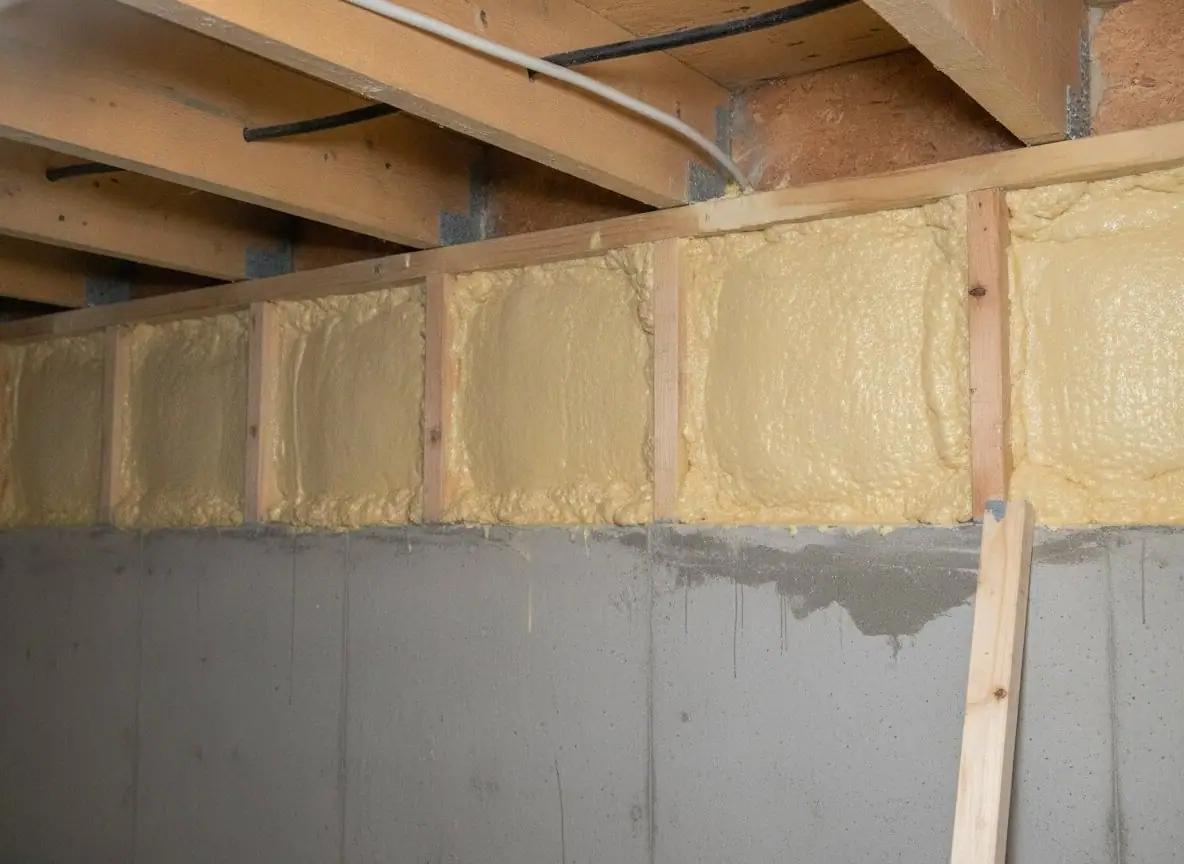
Neighborhoods We Serve in and Around Calabasas
North Ranch
This upscale planned community in western Calabasas features large custom estates built primarily between 1980 and 2005. Many homes have complex rooflines with multiple attic zones, requiring detailed foam staging plans. Vaulted ceilings and cathedral roof sections are particularly common, making closed-cell roof deck application the preferred approach.
Calabasas Park and Mulwood
Tract homes constructed in the early to mid-1970s make up much of this central Calabasas area. Original R-11 to R-19 fiberglass insulation is frequently still in place, compressed and degraded beyond effective performance. Insulation replacement combined with spray foam air sealing delivers transformative results in these neighborhoods.
Hidden Hills
The equestrian-zoned gated community adjacent to Calabasas presents unique challenges including large barn-adjacent structures, older septic-influenced moisture conditions, and sprawling single-story ranch homes with extensive attic floor areas. Hybrid spray foam and blown-in systems are often the most cost-effective solution here.
Monte Nido and Topanga Canyon
Canyon-adjacent homes in these communities face heightened wildfire risk, significant thermal swings, and challenging access for equipment. Our crews are experienced navigating narrow canyon roads and steep lot conditions to serve these communities effectively. We also serve Malibu and surrounding canyon communities.
Spray Foam Attic Insulation Maintenance Tips for Calabasas Homeowners
- Inspect annually after fire season: Following each fall wildfire season, have your attic inspected for smoke infiltration, heat damage near eave vents, or debris accumulation that could compromise ventilation if applicable.
- Check attic hatch seals: The foam perimeter around your attic access hatch can shrink or crack over time. Reseal with foam backer and weatherstripping if gaps appear.
- Monitor for rodent activity: Calabasas canyon areas have active roof rat and squirrel populations. Inspect quarterly for signs of gnawing at foam surfaces, which can compromise air seal integrity.
- Maintain HVAC duct condition: Leaky ducts routed through the attic undermine spray foam performance. Schedule duct testing every 3 to 5 years.
- Avoid attic storage compression: Do not stack heavy items directly on open-cell foam surfaces at the attic floor level, as compression reduces effective R-value.
- Recheck after significant roof work: Any roofing repairs or replacements may disturb foam at the roof deck. Request a post-roofing foam inspection from Best Price Insulation.
- Document your insulation specs: Keep a copy of your installation report for Title 24 records and for disclosure during any future home sale.
Why Choose Best Price Insulation for Spray Foam Attic Insulation in Calabasas
Best Price Insulation is a locally focused insulation contractor with deep experience serving the unique conditions of Calabasas and the greater Santa Monica Mountains region. We are not a national franchise dispatching generalist crews — we are a team that understands the difference between a North Ranch estate attic and a Calabasas Park tract home, and we apply that local knowledge to every project we take on.
We offer comprehensive insulation services beyond spray foam, including attic insulation, crawl space insulation, crawl space encapsulation, and complete insulation removal — meaning you have a single accountable contractor for every stage of your insulation project.
Our estimates are free, our pricing is transparent, and we will never recommend materials or configurations beyond what your home genuinely needs. We serve all of Calabasas as well as Agoura Hills, Woodland Hills, West Hills, Thousand Oaks, Malibu, Pacific Palisades, Beverly Hills, Santa Monica, and the broader surrounding region.
Call us at (818) 696-4154 to speak directly with a knowledgeable team member who can answer your specific questions about your home’s attic insulation needs.
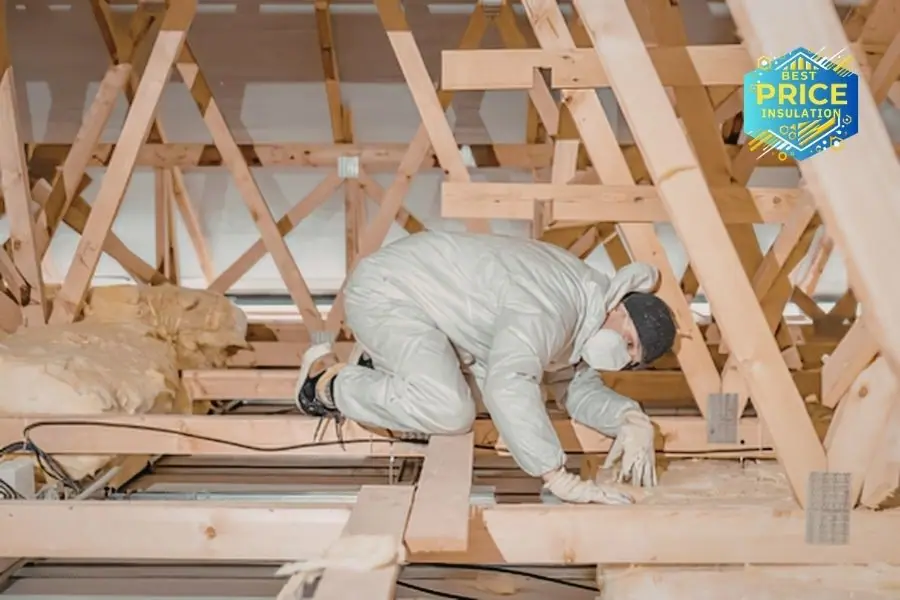
FAQ
Frequently Asked Questions: Spray Foam Attic Insulation in Calabasas
How much does spray foam attic insulation cost in Calabasas, CA?
Most Calabasas homeowners pay between $3,500 and $7,500 for a complete closed-cell spray foam attic project, depending on attic square footage, target R-value, and whether old insulation removal is required. Smaller hybrid systems combining a foam air-seal base with blown-in insulation can range from $2,000 to $4,500 for a typical home. Contact Best Price Insulation at (818) 696-4154 for a free, no-obligation estimate specific to your property.
How long does spray foam attic insulation last in the Calabasas climate?
Properly installed spray foam has a functional lifespan of 80 years or more under normal conditions. Calabasas’s UV exposure, heat cycling, and occasional seismic activity do not significantly degrade properly cured foam. The primary maintenance concern is protecting foam surfaces from rodent gnawing and ensuring roofing work does not disturb the foam layer at the roof deck.
Do I need to vacate my home during spray foam installation?
Occupants should vacate the attic and ideally the top floor of the home during application and for a minimum of 24 hours after completion. Full off-gassing is complete within 24 to 48 hours. California Air Resources Board ventilation guidelines are followed by our team on every project to ensure safe re-occupancy conditions.
Is spray foam attic insulation required to comply with California Title 24 in Calabasas?
Spray foam is not mandated specifically by Title 24, but it is one of the most efficient ways to meet or exceed the R-38 minimum attic insulation requirement for Climate Zone 10, which covers Calabasas. For conditioned attic designs, spray foam at the roof deck is typically the only practical path to compliance. We provide Title 24 documentation as part of our completion package.
How does spray foam help with wildfire smoke infiltration specific to Calabasas?
The Woolsey Fire and other regional fire events demonstrated that smoke infiltration through attic bypasses is a significant indoor air quality threat. Spray foam’s comprehensive air-sealing properties close the gaps around recessed lighting, electrical penetrations, and HVAC chases that act as primary smoke entry points. While no system is perfectly impermeable during a direct fire event, spray-foamed attics perform dramatically better than un-sealed alternatives during regional smoke events.
What is the difference between open-cell and closed-cell foam for a Calabasas attic?
Closed-cell foam (R-6.5 per inch) is generally preferred for Calabasas attics because of the region’s extreme summer heat load and the need for vapor control during marine air intrusion events. Open-cell foam (R-3.7 per inch) is a good option where acoustic performance is a priority or where budget constraints favor a hybrid system. Our technicians assess your specific attic configuration and climate exposure before recommending a foam type.
Can I have spray foam installed over my existing blown-in insulation?
In most cases, existing insulation must be removed before spray foam is applied to ensure proper adhesion to the substrate and to eliminate contaminated or degraded material. However, in some attic floor hybrid applications, a foam air-seal base coat can be applied over a thin layer of compressed existing insulation if the material is clean and dry. Our assessment will determine the correct approach for your home.
Do you serve areas outside of Calabasas?
Yes. Best Price Insulation serves a wide area throughout the western San Fernando Valley, Conejo Valley, and coastal Los Angeles communities, including Agoura Hills, Westlake Village, Woodland Hills, West Hills, Granada Hills, Thousand Oaks, Moorpark, Simi Valley, Malibu, Pacific Palisades, Santa Monica, Beverly Hills, Culver City, West Hollywood, San Fernando, Hidden Hills, Monte Nido, Topanga, and North Ranch.
Get Your Free Spray Foam Attic Insulation Estimate in Calabasas Today
If your Calabasas home is struggling with summer heat, high energy bills, smoke infiltration, or aging insulation that no longer meets code, Best Price Insulation is ready to help. Our team offers free on-site assessments with no pressure and no obligation — just honest, expert guidance tailored to your specific home and attic configuration.
Do not wait for another 100°F Calabasas summer to discover how much comfort and money you are losing through an underperforming attic. Call us now at (818) 696-4154 to schedule your assessment, or visit our website to learn more about our full range of services including spray foam insulation, attic insulation, and crawl space encapsulation. We serve Calabasas and the surrounding communities every day — let us put our local expertise to work for you.
Get in touch
Find insulation help near you
Request a free estimate online or give us a call — our team will follow up quickly.
- Call us(818) 696-4154
- Visit26635 W Agoura Rd, Calabasas, CA 91302
- HoursMon-Sun 07:00-19:00