
Blown-In Attic Insulation in Calabasas, CA
Energy-Saving Blown-In Attic Insulation for Calabasas, CA Homes — Licensed & Insured
Get expert blown-in attic insulation in Calabasas, CA. Best Price Insulation delivers Title 24-compliant installs for local homes. Call (818) 696-4154 today.
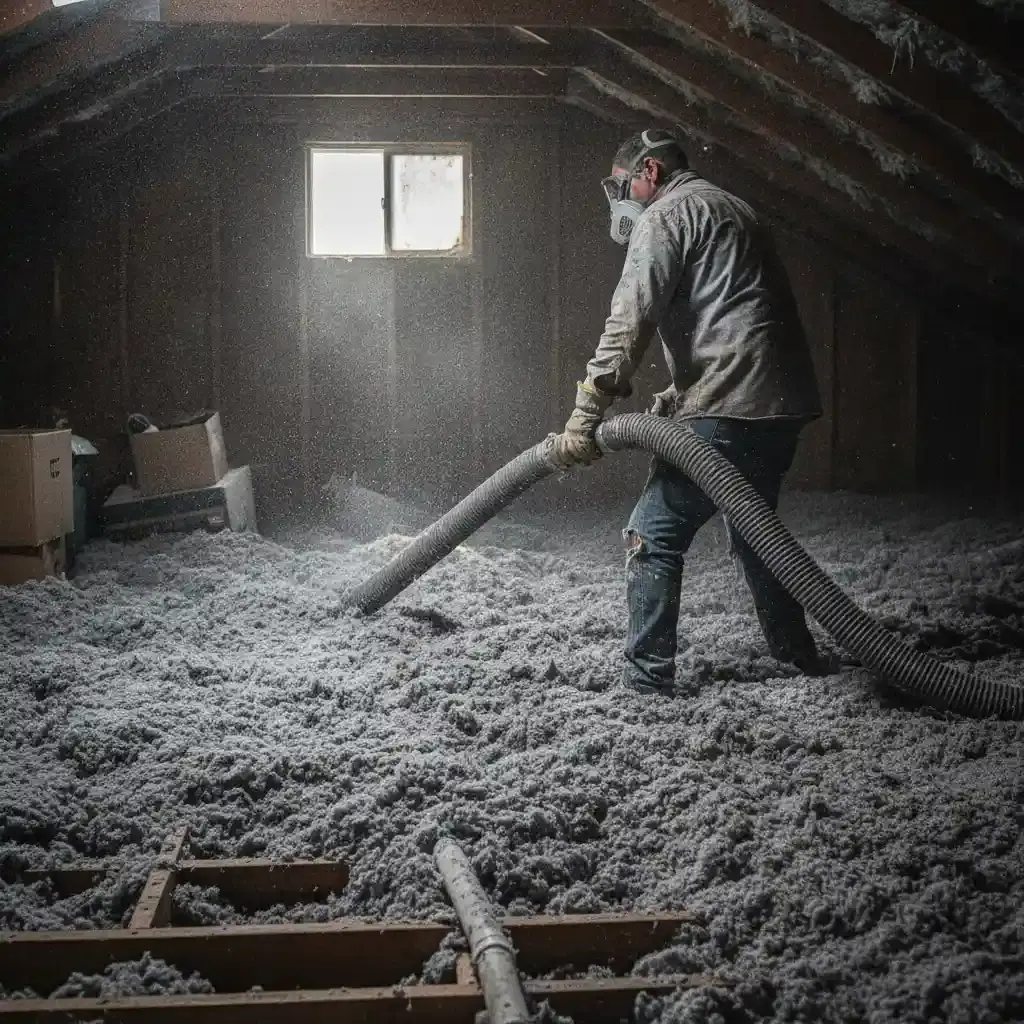
Blown-in attic insulation is a premium insulation method that uses specialized equipment to distribute loose-fill material — typically fiberglass or cellulose — evenly across your attic floor, filling every gap, crack, and irregular cavity for a continuous thermal barrier. Unlike batt insulation, blown-in material conforms to obstructions like joists, pipes, and wiring without leaving voids.
In Calabasas, CA, where summer temperatures routinely climb above 100°F in the inland valleys and Santa Ana wind events push heat into homes through inadequately sealed attic spaces, proper attic insulation is not a luxury — it is a structural necessity. Homes in neighborhoods like The Oaks, Mulwood, and Park Moderne face specific thermal performance challenges driven by the region’s Mediterranean-transitional climate, canyon wind exposure, and the wildfire smoke infiltration common to the greater Las Virgenes watershed area.
Best Price Insulation specializes in blown-in attic insulation installations tailored to Calabasas’s unique building stock and climate demands. Call us today at (818) 696-4154 to schedule your free assessment.
Understanding Blown-In Attic Insulation
Blown-in attic insulation, also known as loose-fill insulation, has been used in American residential construction since the mid-20th century, gaining widespread adoption after the 1970s energy crisis pushed homeowners and builders to pursue higher thermal efficiency standards. The method involves feeding insulation material into a blowing machine that uses air pressure to distribute the material through a flexible hose, allowing installers to achieve consistent coverage across complex attic geometries.
There are two primary material types used in blown-in applications: fiberglass loose-fill and cellulose. Fiberglass loose-fill is made from recycled glass spun into fine fibers and is naturally resistant to moisture absorption and mold. Cellulose is manufactured from recycled newsprint and paper products treated with fire-retardant borate compounds. Both materials are measured by R-value per inch — the standard unit expressing resistance to heat flow. Higher R-values mean better insulating performance.
Read moreShow less
California’s Title 24 Building Energy Efficiency Standards, which were significantly updated in 2022, require attic insulation in Climate Zone 9 — which includes Calabasas — to achieve a minimum of R-38 for existing homes undergoing upgrades and R-49 for new construction attic assemblies. Many older Calabasas homes, particularly those built during the community’s major development waves of the 1970s through the early 1990s, were constructed to earlier, less stringent standards and may have original insulation providing only R-11 to R-19 coverage.
The architectural diversity of Calabasas compounds this challenge. The city contains a mix of single-story ranch homes, two-story Mediterranean-style residences, hillside custom builds with complex roof geometries, and gated-community estates with vaulted ceiling assemblies. Each building type presents unique blown-in installation challenges that require experienced technicians familiar with local construction practices.
Blown-in insulation is particularly well-suited to Calabasas homes because it can be installed without disturbing finished ceilings, accommodates irregular joist spacing common in custom and semi-custom builds, and achieves the depth needed to meet Title 24 compliance in a single installation session. Learn more about our full attic insulation services
Why Blown-In Attic Insulation Is Needed in Calabasas, CA
Extreme Heat Events in the Calabasas Climate Zone
Calabasas consistently records some of the highest temperatures in the greater Los Angeles metropolitan area. The city sits in NOAA Climate Zone 9, and its inland valley position means it experiences temperatures 10°F to 20°F higher than coastal Los Angeles on most summer days. During the September 2022 heat dome event — one of the most severe in recorded California history — Calabasas-area temperatures reached 108°F at valley floor monitoring stations. Attic spaces in homes without adequate insulation can reach 150°F to 160°F under these conditions, turning the attic into a radiant heat source that forces air conditioning systems to work continuously and inefficiently.
Santa Ana Wind Events and Thermal Bypass
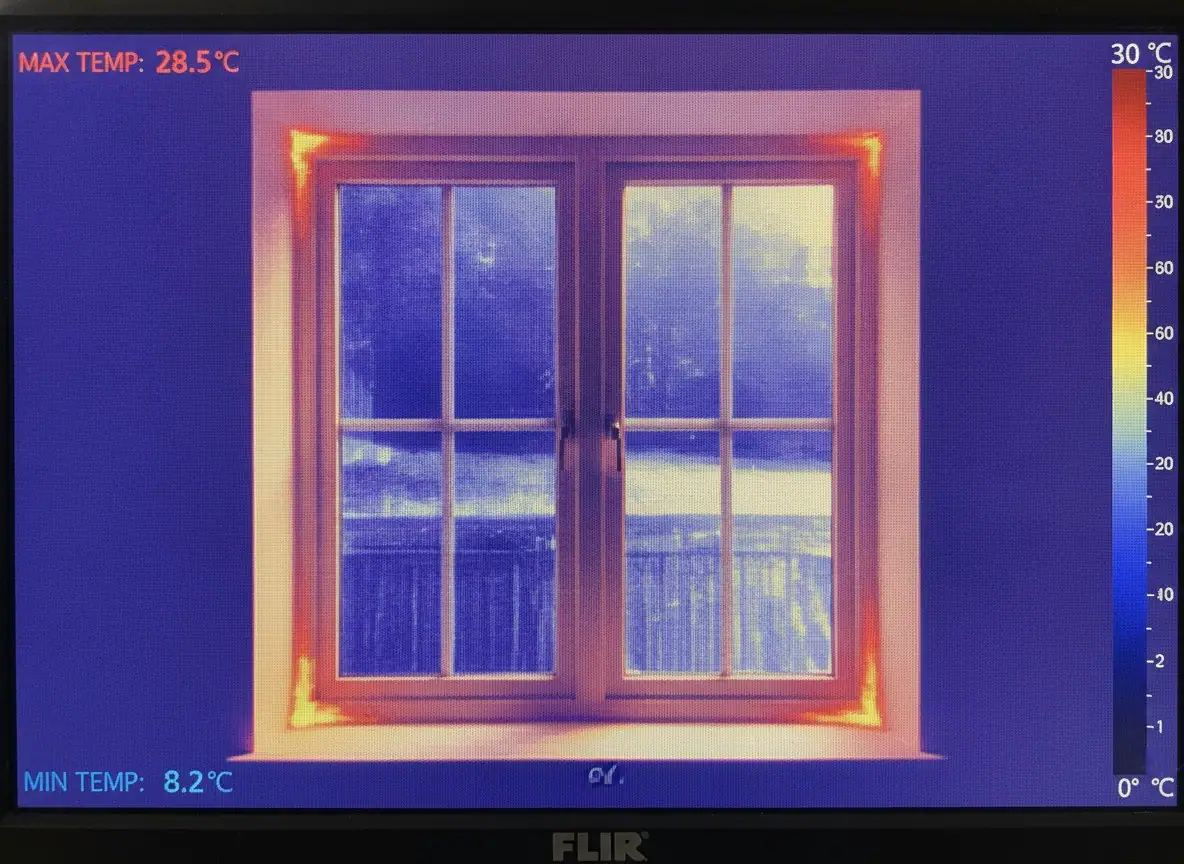
The Las Virgenes Canyon corridor that defines Calabasas’s eastern and northern edge acts as a natural funnel for Santa Ana wind events. These offshore wind patterns, which typically intensify between October and February, bring extremely dry air with relative humidity dropping below 10% and sustained wind speeds reaching 40 to 60 mph through canyon passes. These conditions create significant pressure differentials across building envelopes. In attics with degraded, settled, or improperly installed insulation, wind-driven air infiltration dramatically reduces effective R-value. A nominally R-19 batt installation with gaps and compression caused by settling can perform as low as R-10 under Santa Ana wind pressure conditions.
Wildfire Smoke Infiltration — Post-Woolsey Fire Legacy
The November 2018 Woolsey Fire burned 96,949 acres across Ventura and Los Angeles Counties and destroyed 1,643 structures, many of them within or directly adjacent to Calabasas city limits. Beyond direct fire damage, the event highlighted a critical air-sealing vulnerability in Calabasas homes: attics with inadequate insulation depth and poor air sealing allowed smoke particulates to infiltrate living spaces rapidly. Since the Woolsey Fire, air quality awareness in Calabasas has driven significant demand for comprehensive attic insulation upgrades that combine blown-in coverage with air sealing — a dual benefit that only professional blown-in installation can deliver efficiently.
Aging Building Stock in Core Calabasas Neighborhoods
The neighborhoods of Mulwood, Park Moderne, and the areas surrounding Las Virgenes Road developed heavily between 1974 and 1988. Homes built during this period were constructed to California Title 24 standards that were far less stringent than current code. Many of these homes retain their original fiberglass batt insulation, which after 35 to 45 years has settled, compressed, and in some cases absorbed moisture from roof leaks or condensation events, reducing effective R-value to levels 40% to 60% below original design specifications. Explore our insulation removal and replacement services
Hillside and Canyon Home Challenges
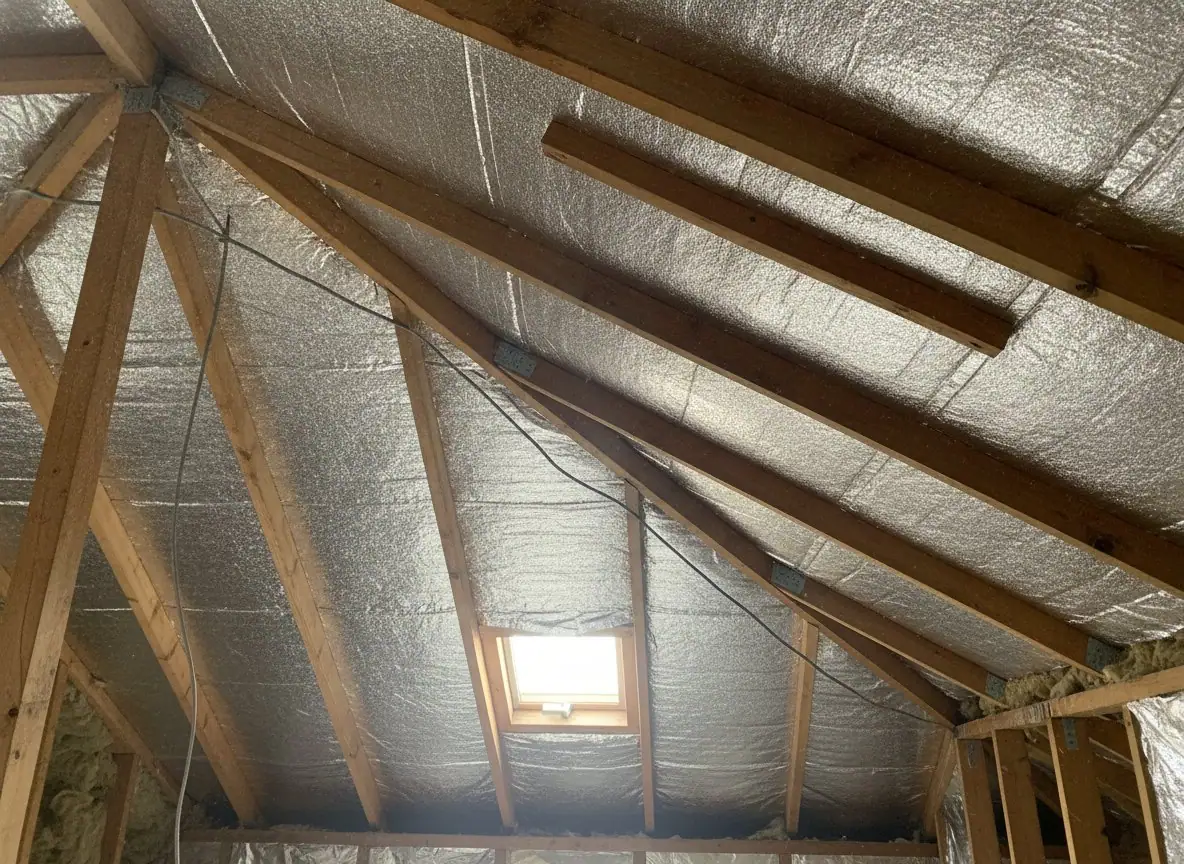
Custom homes in Monte Nido, the upper Las Virgenes Canyon area, and the Calabasas highlands adjacent to Malibu Creek State Park face unique challenges. Complex rooflines with multiple pitches, cathedral ceiling sections, and knee wall attic spaces create thermal bridging opportunities that flat-application batt insulation cannot adequately address. Blown-in insulation fills these irregular geometries completely, eliminating the bypass pathways that make hillside homes disproportionately expensive to heat and cool.
Free, no-obligation estimates
Talk to Best Price Insulation
Tell us what you need and we’ll take it from there.
Signs You Need Blown-In Attic Insulation in Calabasas
Energy Performance Indicators
- Monthly electricity bills exceeding $250 to $350 during Calabasas summer peak periods (June through September) in a home under 2,500 square feet
- Air conditioning systems running continuously during afternoon hours without reaching thermostat setpoints
- Noticeable temperature differences of 5°F or more between upstairs and downstairs rooms in two-story homes
- HVAC systems cycling more than twice per hour during moderate weather conditions
Physical and Structural Symptoms
- Existing attic insulation depth measuring less than 10 inches (indicating R-value below current Title 24 minimums)
- Visible gaps, voids, or compressed sections in existing batt insulation when viewed from attic access hatch
- Ice dams forming at eave edges during rare Calabasas cold snaps — a sign of attic heat loss
- Ceiling surfaces that feel warm to the touch during summer afternoons
- Water staining on insulation surfaces indicating past roof infiltration and moisture damage
Indoor Comfort and Air Quality Indicators
- Musty or stale odors in upper floor rooms, particularly after Santa Ana wind events
- Dust accumulation on ceiling surfaces near recessed lighting fixtures — indicating air bypasses around can lights
- Allergic symptoms worsening in upper floor rooms during wildfire smoke events
Urgency note: If your home was built before 1992 and has never had an insulation upgrade, schedule an assessment immediately — you are likely operating at 40% to 60% below current energy code minimums.
Our process
Our Blown-In Attic Insulation Process in Calabasas
- 01
Initial Assessment and Measurement (1–2 Hours)
Our technician visits your Calabasas home and conducts a comprehensive attic inspection. We measure existing insulation depth at multiple points across the attic floor, assess the condition of existing material, identify air bypasses at top plates, recessed li
- 02
Air Sealing (2–4 Hours)
Before any insulation material is installed, our team seals all identified air bypasses using fire-rated spray foam and caulk. This step is particularly important in Calabasas due to the wind-driven infiltration issues associated with canyon wind exposure. We
- 03
Ventilation Baffle Installation (1–2 Hours)
We install ventilation baffles at each rafter bay along the eave perimeter to maintain a clear airway from soffit vents to the attic interior. This prevents blown-in material from blocking soffit ventilation — a common installation error that traps summer heat
- 04
Equipment Setup and Material Staging (30–60 Minutes)
Our crew sets up the blowing machine in your driveway or staging area, runs the hose to the attic access point, and prepares the appropriate quantity of blown-in material calculated to achieve your target R-value. For most Calabasas homes targeting R-49 compli
- 05
Blown-In Installation (2–4 Hours)
Technicians work systematically from the attic perimeter inward, distributing material evenly while monitoring depth gauge sticks placed at regular intervals. Our team pays particular attention to areas around HVAC equipment and ductwork common in Calabasas at
- 06
Depth and Coverage Verification (30 Minutes)
After installation, we verify coverage depth at a minimum of 12 measurement points and document achieved R-value for your records and any applicable utility rebate applications through Southern California Edison or SoCalGas programs.
- 07
Cleanup and Documentation (30 Minutes)
We remove all equipment, restore attic access hatch insulation covers, and provide a written installation report including pre- and post-installation measurements, material type, and achieved R-value. Contact us to schedule your assessment
Blown-In Insulation Methods and Approaches
Fiberglass Loose-Fill Installation
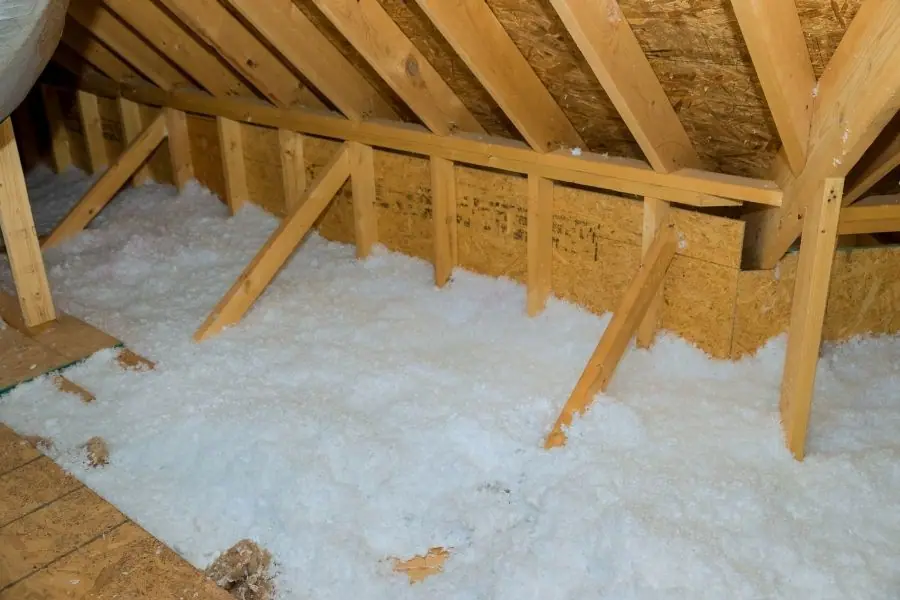
Fiberglass loose-fill is our most commonly recommended material for Calabasas attics. It provides approximately R-2.2 to R-2.7 per inch, is naturally resistant to mold and moisture absorption, does not settle significantly over time, and is non-combustible — an important consideration in a community with Calabasas’s documented wildfire exposure history. Fiberglass loose-fill is ideal for Calabasas homes with existing fiberglass batt insulation, as the materials are compatible and can be directly overlaid.
Cellulose Loose-Fill Installation
Cellulose provides approximately R-3.2 to R-3.8 per inch, making it the higher R-value-per-inch option. It is manufactured from 75% to 85% recycled content and treated with borate-based fire retardants. Cellulose is particularly effective in older Calabasas homes where maximum R-value must be achieved within a limited depth envelope due to low-pitch rooflines. We recommend cellulose for attics where depth is constrained but performance targets are high.
Dense-Pack Blown-In for Enclosed Cavities
For Calabasas homes with cathedral ceilings, knee wall cavities, or enclosed rafter bays that cannot be accessed from above, we use dense-pack blown-in technique. This involves drilling small access holes and filling enclosed cavities at high density (3.0 to 3.5 lbs per cubic foot for cellulose) to eliminate air movement within the cavity. This method is common in Malibu-adjacent Calabasas hillside homes with complex rooflines.
Hybrid Blown-In Over Existing Batt
Many Calabasas homes have original batt insulation in acceptable physical condition. In these cases, we install blown-in material directly over existing batts to bring the assembly to Title 24 compliance without the cost of full removal. Learn more about our blow-in insulation services
Complete Remove-and-Replace
When existing insulation shows moisture damage, pest contamination, or fire/smoke damage — conditions we encounter regularly in post-Woolsey Fire Calabasas assessments — complete removal followed by fresh blown-in installation is required. View our insulation removal services
Blown-In Attic Insulation Cost in Calabasas, CA
Understanding the cost of blown-in attic insulation in Calabasas requires considering several factors specific to this market. As a premium Los Angeles County community with higher labor costs, access challenges common to hillside and gated-community properties, and Title 24 compliance requirements, Calabasas insulation projects are priced differently than work in lower-cost inland markets.
Typical Price Ranges
- Standard attic blown-in installation (1,000–1,500 sq ft attic): $1,200 – $2,200
- Large attic installation (1,500–2,500 sq ft attic): $2,000 – $3,800
- Complete removal and replacement: $2,500 – $5,500 depending on attic size and existing material
- Dense-pack cathedral ceiling or knee wall treatment: $800 – $2,000 as a standalone or add-on service
- Air sealing added to blown-in installation: Additional $300 – $700
Read moreShow less
Factors Affecting Your Calabasas Project Cost
- Attic accessibility: Gated community homes in The Oaks of Calabasas or Hidden Hills-adjacent properties may require additional setup time
- Existing insulation condition: Removal adds labor and disposal costs
- Target R-value: R-49 requires more material than R-38
- Attic complexity: Multiple HVAC units, extensive ductwork, or complex rooflines increase labor time
- Material selection: Cellulose typically costs 10%–20% less per square foot than fiberglass loose-fill in comparable applications
Available Incentives
Southern California Edison customers may qualify for rebates of $0.10 to $0.25 per square foot for qualifying insulation upgrades. SoCalGas offers similar programs. The federal Inflation Reduction Act also provides a 30% tax credit (up to $1,200) for qualifying energy-efficiency improvements including insulation. Call (818) 696-4154 for a detailed quote.
Neighborhoods We Serve in and Around Calabasas
The Oaks of Calabasas
This gated community features luxury homes built primarily between 1998 and 2010, many with complex Mediterranean-style rooflines, vaulted ceilings, and extensive recessed lighting arrays that create significant air bypass pathways. We regularly service homes here where original fiberglass batt installations have settled below code minimums over the past 15 to 25 years.
Mulwood and Park Moderne
These established Calabasas neighborhoods contain homes built primarily from the 1960s through the mid-1980s. Single-story ranch homes with large, relatively flat attic spaces are common and respond exceptionally well to blown-in upgrades. Many homes here have original R-11 insulation that has not been updated since original construction.
Monte Nido and Upper Las Virgenes Canyon
Custom homes in these canyon communities present the most technically complex insulation challenges in the Calabasas service area. Irregular attic geometries, extreme wildfire exposure risk, and the highest temperature swings of any local microclimate make comprehensive blown-in installation critical. View all service areas
Woodland Hills and West Hills
Just east of Calabasas, these San Fernando Valley communities share similar climate characteristics and building stock. We serve homes throughout the 91364, 91367, and 91307 ZIP codes with the same Calabasas-calibrated expertise.
Attic Insulation Maintenance Tips for Calabasas Homeowners
- Annual attic inspection after rainy season (April–May): Check for moisture infiltration after Calabasas’s December through March rain season. Even minor roof leaks can saturate and compact blown-in material, dramatically reducing R-value.
- Check depth after major Santa Ana wind events: Extreme wind pressure events can occasionally redistribute loose-fill material in attics with poor air sealing. Verify depth at perimeter areas after major October–February wind events.
- Inspect attic access hatch insulation cover annually: The hatch cover is often the lowest-performing element of the attic assembly. Ensure it is properly fitted and insulated.
- Verify soffit vents are unobstructed: Landscaping debris, bird nesting, and blown-in material migration can block soffit ventilation. Check annually before summer heat season.
- Do not store items directly on blown-in insulation: Compressing loose-fill material with stored boxes or equipment reduces R-value by crushing the air pockets that provide thermal resistance.
- After wildfire events, have insulation inspected: Smoke infiltration and airborne ash can contaminate attic insulation. Post-wildfire inspection is recommended for all Calabasas homes within 10 miles of a major fire event.
- Schedule professional re-inspection every 10 years: Blown-in insulation can settle 10%–15% over the first decade. Periodic depth verification ensures ongoing Title 24 compliance.
Why Choose Best Price Insulation in Calabasas
Best Price Insulation is a specialized insulation contractor serving Calabasas and the surrounding communities of the Santa Monica Mountains foothills, western San Fernando Valley, and Malibu coast. Our technicians have direct, hands-on experience with the specific building types, climate conditions, and regulatory requirements that define insulation work in this market — from the gated estates of The Oaks to the canyon custom homes of Monte Nido and the aging ranch stock of Mulwood.
We do not subcontract our installation work. Every blown-in attic insulation project is completed by trained, experienced Best Price Insulation team members who understand Calabasas’s Title 24 Climate Zone 9 requirements, Southern California Edison and SoCalGas rebate documentation procedures, and the post-Woolsey Fire air sealing standards that many Calabasas homeowners now require.
Read moreShow less
Our full-service capabilities mean we can handle every aspect of your insulation project, from initial assessment through removal of damaged existing material to new blown-in installation and final verification measurement. We serve all of Calabasas and the surrounding communities including Agoura Hills, Westlake Village, Malibu, Hidden Hills, Woodland Hills, and Thousand Oaks.
Call us at (818) 696-4154 to speak with a Calabasas insulation specialist. Schedule your free assessment today
FAQ
Frequently Asked Questions About Blown-In Attic Insulation in Calabasas
How much does blown-in attic insulation cost in Calabasas, CA?
Most Calabasas homeowners pay between $1,200 and $3,800 for a standard blown-in attic insulation installation, depending on attic size, target R-value, and whether removal of existing material is required. Hillside homes with complex attic geometries or gated community properties with access logistics may fall toward the higher end of this range. Federal tax credits and Southern California Edison rebates can offset 15% to 30% of project costs for qualifying upgrades.
What R-value do I need for my Calabasas attic?
Calabasas falls within California Title 24 Climate Zone 9. Current code requires a minimum of R-38 for existing homes undergoing attic insulation upgrades and R-49 for new construction. Most energy professionals recommend targeting R-49 even for existing home upgrades in Calabasas, given the extreme summer heat conditions and the long-term cost savings from higher performance. We will verify your existing R-value during the free assessment.
How long does blown-in attic insulation installation take in a typical Calabasas home?
A standard blown-in installation in a Calabasas home with an attic of 1,000 to 1,800 square feet is typically completed in a single day, usually 4 to 8 hours including assessment, air sealing, and installation. Larger homes or projects requiring complete removal of existing material may require 1.5 to 2 full days. We schedule most Calabasas installations within 1 to 2 weeks of initial contact.
Is blown-in insulation safe for Calabasas homes given wildfire risk?
Yes. Both fiberglass loose-fill and borate-treated cellulose blown-in materials are fire-resistant and meet California fire safety codes. Fiberglass is non-combustible by nature. Cellulose is treated to achieve a Class 1 fire rating. Neither material will ignite or accelerate fire spread. In fact, properly installed blown-in insulation with comprehensive air sealing can reduce the rate of smoke infiltration during wildfire events — a meaningful benefit for Calabasas homeowners given the area’s fire history.
Can blown-in insulation be installed over my existing insulation?
In most cases, yes. If your existing insulation is in good physical condition — no moisture damage, pest contamination, or fire/smoke exposure — blown-in material can be installed directly over it to bring the assembly to current R-value requirements. This hybrid approach is common in Calabasas homes with original 1970s and 1980s fiberglass batts that are still structurally intact. We assess existing insulation condition during the initial inspection and recommend removal only when necessary.
Do you offer insulation services beyond blown-in attic installation?
Yes. Best Price Insulation offers a comprehensive range of insulation services for Calabasas homeowners including spray foam insulation, crawl space encapsulation, crawl space insulation, insulation removal, and insulation replacement. Learn about our spray foam insulation services Explore crawl space encapsulation
Will blown-in attic insulation qualify for California utility rebates?
Many Calabasas homeowners qualify for rebates through Southern California Edison’s residential energy efficiency programs and SoCalGas incentive programs. Qualifying upgrades that bring attic insulation to Title 24 compliance levels may receive rebates of $0.10 to $0.25 per square foot. The federal Inflation Reduction Act additionally provides a 30% tax credit (up to $1,200) for qualifying insulation improvements. We can provide the documentation needed to support your rebate applications.
How does Calabasas’s climate affect how quickly my insulation degrades?
The combination of extreme summer heat, low-humidity Santa Ana winds, and occasional moisture events from December through March creates a more demanding environment for attic insulation than many California locations. The thermal cycling — daily temperature swings of 30°F to 50°F in canyon-adjacent areas — accelerates settling in batt-style insulation. Blown-in fiberglass and cellulose are more resistant to thermal cycling effects than batts and typically maintain 90% or more of their installed R-value after 10 years under Calabasas conditions.
Get Your Free Blown-In Attic Insulation Assessment in Calabasas Today
If your Calabasas home was built before 2000, or if you have noticed rising energy bills, uneven temperatures, or reduced indoor comfort during summer heat events or Santa Ana wind conditions, your attic insulation is almost certainly underperforming current standards. Best Price Insulation provides free, no-obligation assessments for Calabasas homeowners that include a complete measurement of existing R-value, identification of air bypass pathways, and a written recommendation with project pricing.
We serve all of Calabasas and surrounding communities including Agoura Hills, Westlake Village, Malibu, Hidden Hills, Woodland Hills, West Hills, Thousand Oaks, and beyond. Our team is ready to help you improve comfort, reduce energy costs, and bring your home into Title 24 compliance.
Read moreShow less
Call us now at (818) 696-4154 to speak with a Calabasas insulation specialist, or submit your information online to request a free assessment. Do not wait for another brutal Calabasas summer to find out how much your attic insulation is costing you.
Get in touch
Find insulation help near you
Request a free estimate online or give us a call — our team will follow up quickly.
- Call us(818) 696-4154
- Visit26635 W Agoura Rd, Calabasas, CA 91302
- HoursMon-Sun 07:00-19:00